Why ‘Don’t Dream It’s Over’ Still Feels Hopeful
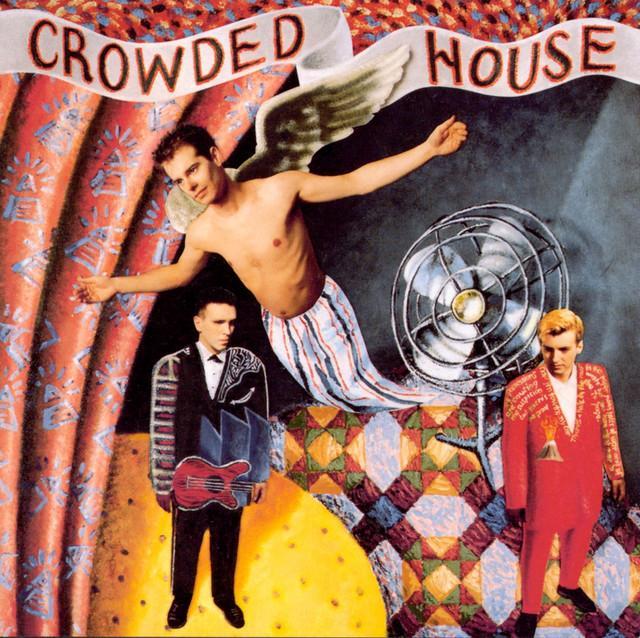
The meaning of Don't Dream It's Over Crowded House comes down to one big idea: people can stay connected even when life tries to pull them apart. Neil Finn wrote the song, and Crowded House released it on their 1986 self-titled debut album. It later became the band’s signature hit in the United States and beyond.
"Don't Dream It's Over" - Crowded House
Try to catch the deluge in a paper cup
There's a battle ahead, many battles are lost
Loading lyrics...
Unable to load lyrics
We're unable to display the lyrics at this time. Please try again later.
What makes it last is its balance. The lyrics admit fear, pressure, and division, but the music never collapses into despair. Instead, the song keeps moving with calm confidence, as if it is teaching listeners how to endure.
The Heart of the Message
At the center of the song is encouragement. The title phrase, Don’t dream it’s over
, sounds like a warning against giving up too soon. They present struggle as real, but not final.
That is why the verses matter so much. They describe a world full of stress, confusion, and obstacles, yet the chorus answers with resistance. The song does not pretend everything is easy. It says hope is a choice people make while trouble is still happening.
Interpretation: Many listeners hear this as a song about protecting a relationship. Others hear a broader message about social division. Both readings fit because the writing stays open and symbolic.

Watch the official Don't Dream It's Over
music video
A Song About Barriers, Not Surrender
One of the clearest images is the idea that forces in the world build a wall
between people. That line gives the song its emotional shape. The problem is not only pain itself; it is separation.
That wall can mean several things:
- distance between lovers
- emotional shutdown after conflict
- social or political division
- the way bad news and fear isolate people
The song answers that image with a simple refusal: they won’t win
. This is not a loud protest anthem. It is more intimate than that. Its strength comes from how quietly sure it sounds.
How the Verses Build the Story
The first verse starts with opposites: freedom on one side, pressure on the other. The image of trying to hold back a flood in something tiny suggests an impossible task. Life can feel too large to control.
Then the song shifts toward companionship. Even if there are battles ahead, the singer suggests that the journey matters because someone is not facing it alone. That is a key part of the meaning of Don't Dream It's Over Crowded House: solidarity is the answer to uncertainty.
In the second verse, the details become stranger and more everyday at once. A damaged car, suspicion around possessions, and headlines about war and of waste
create a world that feels unstable and distracted. The mention of turning to the TV page hints at avoidance. People often choose easier distractions over hard truths.
By the final verse, movement returns. The singer is walking again, counting steps toward another person’s heart. Even with shadows ahead, the song leans toward healing, release, and renewed closeness.
The Chorus as Reassurance
The chorus works because it is both catchy and comforting. The repeated Hey now
sounds like someone trying to calm another person in real time. It grabs attention gently, not aggressively.
Hey now, hey now
Don’t dream it’s over
That short refrain becomes the song’s emotional anchor. Every time the verses drift into anxiety or disorder, the chorus returns to say the bond is still worth fighting for.
Interpretation: The title does not mean “ignore reality.” It means “do not let fear write the ending before the story is done.”
Why the Music Feels So Comforting
Crowded House recorded the song with producer Mitchell Froom, whose work helped shape the band’s polished but warm sound. The track blends soft rock and pop with a light groove, clean guitar textures, and a relaxed vocal that never overstates the emotion.
That production choice matters. If the arrangement were louder or harsher, the song might feel angry. Instead, it feels patient. The steady beat and airy space around the instruments suggest resilience rather than panic.
Finn’s vocal is especially important. They sing the lyrics with control, which makes the message more believable. The song sounds like someone who has seen difficulty and still chooses hope.
Artist Context Helps Explain the Song
Crowded House formed after Split Enz ended, with Neil Finn moving into a new phase as a songwriter. Their debut album introduced a style that was smart, melodic, and emotionally direct. This song helped define that identity and became their breakthrough single in the U.S. market.
In that context, the track shows one of Finn’s gifts: writing lyrics that feel personal without being narrow. He leaves enough room for listeners to place their own lives inside the song. That flexibility is a big reason it has lasted for decades.
Final Take on Its Meaning
So, what is the meaning of Don't Dream It's Over Crowded House? It is a song about pressure, division, and the stubborn decision to stay connected anyway. It recognizes that outside forces can create walls, but it refuses to treat those walls as permanent.
That is why the song still lands today. It offers comfort without false promises. It says the world can close in, relationships can strain, and fear can spread, yet people can still choose not to let those forces win.
Disclaimer: This interpretation is based on the lyrics, recording context, and common critical readings. As with many great songs, listeners may hear different meanings in it.









