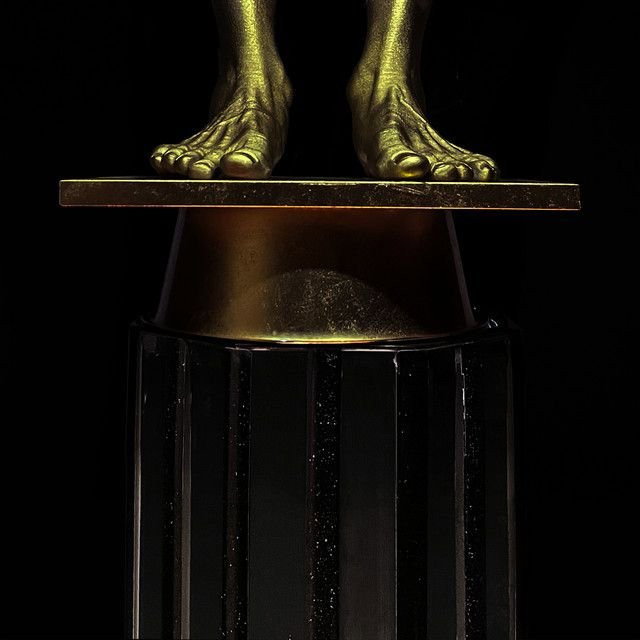
Trophy by Crumb
Why the meaning of Trophy Crumb feels so quietly sad
Crumb’s “Trophy” is a small, hypnotic song with a heavy emotional center. On the surface, it moves with the band’s usual floating psych-pop style. Underneath, it sounds like a portrait of someone who has the look of a complete life but not the feeling of one.
"Trophy" - Crumb
Ten degrees, passing boat
Take your time 'cause it's all over
Loading lyrics...
Unable to load lyrics
We're unable to display the lyrics at this time. Please try again later.
For listeners searching for the meaning of Trophy Crumb, the strongest reading is this: the song is about loneliness hidden inside success, beauty, or status. It sketches a person who seems put together from the outside, yet feels empty, anxious, and hard to reach.
That reading fits the song’s blunt list of possessions and life markers, especially House, car, bed, trophy
. Those words suggest the visible signs of achievement. But the line that follows turns the picture cold: even with all that, there is still only the wish for Someone there to hold
.

Watch the official Trophy
music video
A portrait of emotional emptiness
The song does not tell a full story with clear events. Instead, it offers fragments, almost like snapshots. The opening image, Leaves, watch them float
, feels passive and detached. It sets a mood of drifting rather than acting.
Then the song moves to a harsher emotional judgment with deadbeat doll loner
. That phrase is cruel on purpose. It makes the person sound both decorative and discarded: a “doll” to look at, but also a loner who is not truly connected to anyone.
Interpretation: this may be the key tension in the song. The person at the center is admired, displayed, or socially successful, yet still reduced to an object. That makes the title “Trophy” feel ironic. A trophy is something won, shown off, and valued for what it represents. It is not loved for its inner life.
The chorus turns pain into resignation
The emotional core of “Trophy” may be the repeated refrain That’s just the way it goes
. The line matters because it does more than describe sadness. It normalizes it.
Instead of fighting loneliness or self-harm, the song lets the feeling settle into routine. That repeated phrase sounds tired, not explosive. It suggests a person who has lived with this pattern long enough that disappointment now feels ordinary.
This is why the song hits so hard despite being so restrained. Crumb do not dramatize the problem. They let repetition do the work. The more the line returns, the more it feels like a coping mechanism.
A closer look at the song’s sharpest lines
One of the most revealing moments describes a mismatch between appearance and feeling: Smile is wide, your face is stone
. In plain terms, the person looks fine, maybe even cheerful, but emotionally they are closed off.
Another line says they are prone to hurting themselves emotionally, even “to the bone.” The song frames that damage as inward and repetitive. It is less about one crisis than a habit of self-erasure.
Smile is wide, your face is stone
The test, it came back
you’re prone to
Chew yourself right to the bone
Paraphrased, the song suggests that beneath the performed smile is a person whose inner life is full of strain. The mention of a “test” adds a clinical tone, as if their loneliness has been measured and confirmed.
How Crumb’s sound deepens the message
Crumb are widely described as a psychedelic rock or dream-pop band, with elements of trip-hop and jazz-rock in their style. They formed through Tufts-connected musicians and later became a Brooklyn-based group, with Lila Ramani, Jesse Brotter, Bri Aronow, and Jonathan Gilad as core members. “Trophy” was released on March 10, 2021, and was their first new release after the 2019 album Jinx before Ice Melt arrived later in 2021.
The production matters to the meaning. The groove is smooth, unhurried, and almost narcotic. That softness keeps the song from sounding accusatory, even when the words are harsh. It feels like watching someone sink rather than hearing them scream.
Interpretation: the dreamy arrangement mirrors emotional numbness. The song drifts because the person inside it drifts. Crumb’s light touch makes the loneliness feel more believable, not less.
Context around the release adds another layer
Available reporting around “Trophy” focused more on its rollout than on a band-provided lyrical explanation. Coverage noted that the single arrived with a surreal music video directed by Haoyan of America, with animation by Truba Animation, and described it as matching Crumb’s hazy psych-pop identity. That matters because the band presented the song in a world of distortion, spectacle, and unreality.
A racing-championship setting in the video also pairs well with the title. Trophies come from winning. But the song itself questions what winning is worth if the result is alienation.
One song, two plausible readings
There are at least two strong ways to hear “Trophy”:
- A critique of status culture. The song targets a person built from possessions, appearances, and achievement, yet left emotionally vacant.
- A portrait of private mental strain. The song speaks to someone who cannot stop turning inward and damaging themselves, even while trying to look fine.
Both readings can exist at once. In fact, they strengthen each other. The pressure to appear successful may be part of what causes the emotional collapse.
What “Trophy” finally says
The meaning of Trophy Crumb is less about one plot than one condition: the sadness of being valued as an image while feeling alone as a person. Crumb compress that idea into a few cold objects, one aching wish, and a resigned chorus.
That is why the song lingers. It sounds soft, but it leaves behind a hard truth: having the outline of a good life is not the same as being held inside it.
Interpretation disclaimer: Crumb have not widely published a definitive line-by-line explanation of “Trophy” in the sources used here, so parts of this reading are informed interpretation based on the lyrics, sound, and release context.









