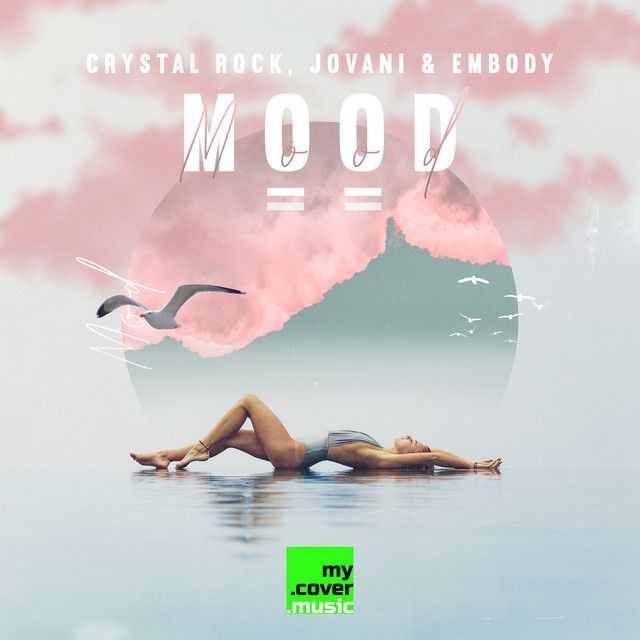
Mood by Crystal Rock, Jovani, Embody
The meaning of Mood Crystal Rock, Jovani, Embody centers on romantic tension that never quite settles. Beneath its catchy hook, the song describes two people stuck in a loop of attraction, irritation, and emotional self-protection. It sounds breezy on the surface, but the lyrics point to a relationship where both sides seem tired, guarded, and unable to communicate clearly.
"Mood" - Crystal Rock, Jovani, Embody
Why you always in a mood?
Fuckin 'round, actin' brand new
Loading lyrics...
Unable to load lyrics
We're unable to display the lyrics at this time. Please try again later.
A Hook About More Than Attitude
At first, the chorus sounds like a simple complaint. The speaker asks why the other person is always in a mood
, acting different and making things harder than they need to be. But the line works on two levels.
On one level, it is a direct jab at a partner who seems cold, unpredictable, or dramatic. On another, it shows how quickly blame becomes the language of this relationship. The speaker says they are not trying to control anyone, yet they also draw a line with playing by your rules
. That tension matters because it reveals a bond built on friction as much as chemistry.

Watch the official Mood
music video
The Real Conflict Hiding in the Verses
The verses give the song more emotional depth than the chorus alone suggests. The speaker admits they could never get attached
, which makes the story less one-sided. They are not only describing a difficult partner; they are also revealing their own fear of intimacy.
That confession changes the song’s meaning. Instead of a clean story about one toxic person, the lyrics point to a pattern where closeness leads to discomfort, distance leads to guilt, and both people react badly. The line about not being a parent to the other person reinforces that they feel burdened by expectations they do not want to carry.
When Romance Turns Into a Cycle
One of the song’s sharpest ideas is that love can become a routine of distraction rather than healing. The clearest example is this passage:
We play games of love
to avoid the depression
This is the emotional center of the track. In plain terms, the relationship may be exciting, but that excitement is not the same as stability. Interpretation: the song suggests that flirtation, arguments, and reconciliation have become ways to dodge deeper feelings rather than address them.
That idea makes the bedroom argument in the lyrics feel important too. The conflict is not random. It reflects a private, repeated pattern where closeness quickly turns into confrontation.
What the Key Phrases Reveal
Several short phrases carry the song’s main themes. When the speaker says there is an elephant in the room
, they imply that both people know the relationship is unhealthy, but neither wants to name the truth directly.
Another revealing line is actin' brand new
. In context, it points to sudden distance or a change in behavior after intimacy has already been established. That phrase gives the song a modern, casual tone, but it also captures a common dating frustration: someone becomes inconsistent right when emotional clarity matters most.
The closing image, better with a view
, can be read in more than one way. Literally, it sounds like a stylish flex. Interpretation: it may also suggest emotional distance. Things look better from far away, where attraction stays exciting and messy reality becomes easier to ignore.
Sound, Style, and Why the Song Lands
Even without digging into every line, the production helps explain why the message connects. This version of “Mood” leans into sleek, dance-ready pop textures. The beat is light, repetitive, and built to keep moving, which mirrors the relationship itself: fast, catchy, and stuck in a loop.
That contrast is part of the appeal. The music feels bright and social, while the lyrics describe distrust and emotional fatigue. This gap between sound and subject makes the song feel familiar to listeners who know what it is like to smile through tension or turn drama into something almost playful.
The songwriting credits provided for the track include Blake Slatkin, Golden Landis Von Jones, Keegan Bach, Michael Olmo, and Omer Fedi. That mix of writers helps explain the song’s balance of conversational phrasing, pop efficiency, and emotional directness.
Artist Context and Emotional Perspective
Because this song is presented by Crystal Rock, Jovani, and Embody, the performance context also matters. Their version frames the song less as a confessional indie diary and more as a polished, crowd-friendly retelling of a modern relationship problem. That gives the lyrics a wider, almost universal feel.
Rather than focusing on one detailed backstory, they present a familiar emotional scenario: two people who want connection but do not know how to handle vulnerability. That is why the song feels instantly relatable in the United States pop market. It speaks the language of texting-era romance, where mixed signals and blurred boundaries often define the experience.
The Best Way to Read the Song
The best reading of the meaning of Mood Crystal Rock, Jovani, Embody is that it captures mutual instability, not just one person’s bad behavior. The speaker sounds annoyed, but they also sound defensive and emotionally restless. That makes the song stronger.
Interpretation: it is really about the cost of treating emotional confusion as normal chemistry. The relationship survives on tension, but that same tension keeps it from becoming healthy.
Final Take
What makes “Mood” memorable is not just its hook. It is the way the song wraps insecurity, attraction, and frustration into a simple pop structure that listeners can sing along to right away.
Their performance turns a messy relationship into a clean, catchy anthem, which is exactly why the song works. As with any lyric analysis, this reading is an interpretation, not a confirmed statement of artist intent.








