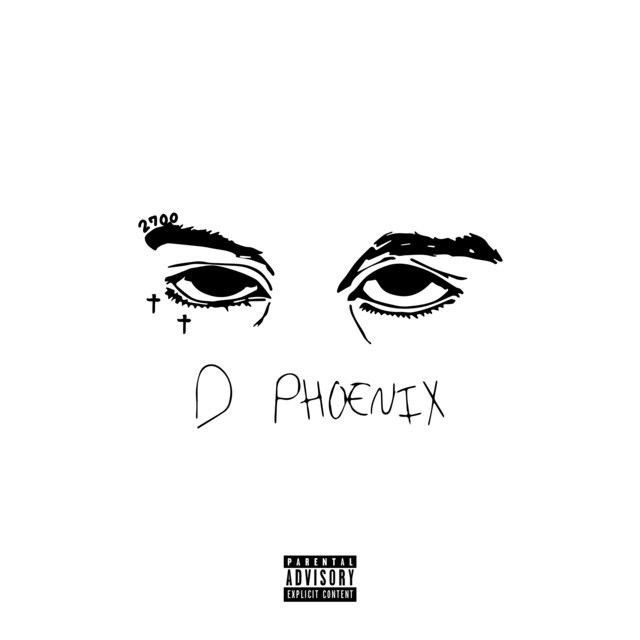
Opera by D. Savage
The meaning of Opera D. Savage starts with a simple hurt: they feel replaced. Under the boasting, threats, and money talk, the song keeps circling one emotional point—someone switched sides for attention, and that betrayal changed how they see everyone around them.
"Opera" - D. Savage
Hey, yeah, yeah
Yeah, yeah (D fucking Phoenix)
Loading lyrics...
Unable to load lyrics
We're unable to display the lyrics at this time. Please try again later.
D. Savage turns that feeling into a hard-edged anthem about loyalty, suspicion, and self-protection. The song is not subtle, but it is focused. Its world is split between the trusted few and everybody else.
The Real Core of the Song
At its center, “Opera” is about social betrayal turning into emotional armor. The hook says they were forgotten and that others switched up for the clout
. In plain terms, the speaker believes people traded real loyalty for status, attention, or popularity.
From there, the song builds a defense system. They insist on self-worth, push fake people away, and put total value on the circle that stayed. When they call the gang their only family
, the song stops sounding like simple bravado and starts sounding more personal.
Interpretation: That line suggests loneliness as much as pride. The speaker is not just celebrating friendship; they are admitting that trust has become so narrow that only the crew still counts.

Watch the official Opera
music video
Why the Hook Matters So Much
The chorus does most of the emotional heavy lifting. Each time it comes back, it repeats the wound and the response: people changed, so the speaker doubled down on the people who did not.
The title idea appears in the line about a weapon that can sing a melody
, followed by Opera
. This is the song’s cleverest image. It turns danger into sound and performance, making violence feel theatrical, loud, and larger than life.
You forgot all about me
Switched up for the clout
That's my only family
Opera
Paraphrased, that sequence lays out the whole song: rejection, resentment, loyalty, and a dramatic threat of retaliation. The title is not about high art in a literal sense. It is about making street conflict sound like a grand performance.
A Speaker Who Trusts Very Few
The verses widen the picture. The speaker moves between flexes about money, warnings to enemies, and contempt for fake people. Phrases like these niggas imposters
underline that distrust runs through almost every section.
There is also advice buried inside the aggression. When the song warns not to trust the wrong person, it suggests a worldview shaped by disappointment. Even romantic or casual relationships are framed as risky, secondary, or unstable.
Interpretation: They are performing toughness, but the performance grows out of real anxiety. The song keeps asking: if people can switch up that fast, who is safe to believe in?
The Story the Verses Tell
Rather than a detailed plot, “Opera” offers a mindset in motion. The verses move through a few key beats:
- They feel disrespected and pushed aside.
- They answer with self-praise and social distance.
- They praise their crew as the only reliable bond.
- They back that bond with threats, money, and force.
That structure matters. The wealth talk and swagger are not random extras. They function like proof that the speaker is still standing, still powerful, and still untouchable despite being abandoned.
Sound, Production, and the Plugg Contrast
The beat tag points to producer D. Phoenix, while the song’s writing credits here list Dylan McCord and Sergio Miley. Musically, the track fits the airy, video-game-like bounce often associated with plugg and related underground rap styles. Bright synth textures float over drums that feel loose rather than crushing.
That contrast is important to the meaning of Opera D. Savage. The production sounds almost playful at moments, but the lyrics stay tense and hostile. This mismatch makes the record feel surreal. The speaker sounds like they are gliding above the beat while describing a world full of betrayal and danger.
D. Savage’s vocal approach helps too. Their delivery is blunt and repetitive in a useful way. Instead of chasing a lot of melodic complexity, they hammer key ideas until they feel like personal laws: stay loyal, distrust outsiders, defend the circle.
Symbols and Motifs in “Opera”
Several motifs keep the song unified:
Loyalty vs. Clout
This is the biggest theme. “Clout” stands for shallow public approval, while family stands for real connection. The song treats those values as opposites.
Performance and Spectacle
The title “Opera” makes conflict sound staged and huge. The song imagines violence and status as something almost performed for an audience.
Wealth as Proof
References to racks, banks, and expensive food are more than flexes. They show success as evidence that the speaker cannot be dismissed.
Isolation
Even with all the gang talk, the song feels emotionally isolated. If only a tiny group is trustworthy, the outside world becomes hostile by default.
One More Way to Read the Song
A second reading is possible. On the surface, “Opera” is a threat-heavy flex track. But underneath, it can also be heard as a song about wounded pride. The anger may be less about enemies in general and more about the pain of being overlooked by people who once mattered.
That is why the repeated complaint of being forgotten is so important. It gives the song an emotional trigger. Without it, “Opera” would just be a string of boasts. With it, the record has a motive.
Final Take on the Meaning
The meaning of Opera D. Savage is rooted in betrayal, loyalty, and self-defense. D. Savage uses plugg production, repeated hooks, and a dramatic title image to turn distrust into a cold, memorable anthem.
In the end, “Opera” is about what happens when attention replaces loyalty. The result is a song where bravado is not just style—it is protection.
Disclaimer: This interpretation is based on the lyrics provided and publicly observable musical elements. As with any song, meaning can vary by listener and may differ from the artist’s own intent.









