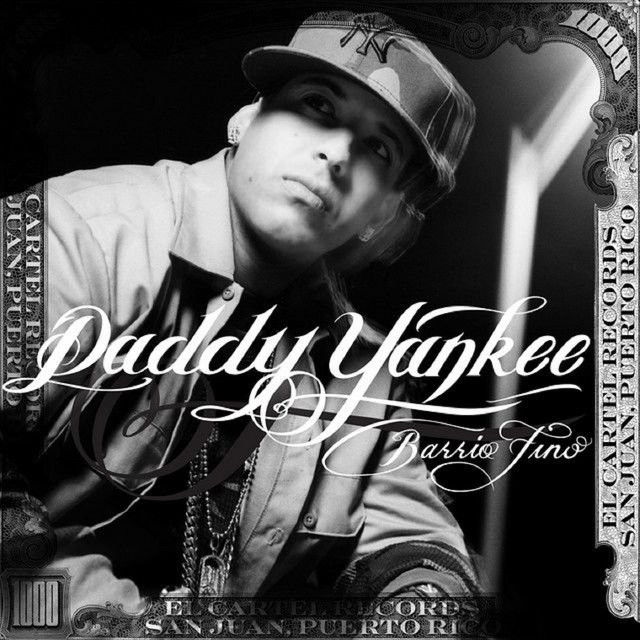
Lo Que Paso, Paso by Daddy Yankee
A club scorcher with a clean break message, Daddy Yankee’s 2004 single turns a tense situation into a confident boundary. When listeners ask about the meaning of Lo Que Paso, Paso Daddy Yankee, they’re really asking why a party track sounds like a firm goodbye. The answer sits in the hook’s calm finality and the way the beat keeps pushing forward.
"Lo Que Paso, Paso" - Daddy Yankee
Pero yo me enteré que te debes a alguien, (yeh eh)
Y tú fallaste
Loading lyrics...
Unable to load lyrics
We're unable to display the lyrics at this time. Please try again later.
The Hook Is a Boundary, Not a Plea
The phrase Lo que pasó, pasó
is simple: what happened is over. He adds entre tú y yo
to box it in—this was private, brief, and finished. The chorus isn’t bargaining; it’s closure set to dembow.
Interpretation: By repeating a cool, non-negotiable line over a dance-floor groove, the narrator reclaims control without starting a fight. The refrain tells dancers—and the person addressed—that the night won’t become a situationship.

Watch the official Lo Que Paso, Paso
music video
Voice and Situation: A Night, a Line Crossed
The narrator speaks in first person. He admits the night was good—esa noche contigo la pasé bien
—but also that he later learned she was involved with someone else. When he says tú fallaste
, he frames the breach clearly: the line crossed wasn’t his.
Interpretation: This isn’t moral grandstanding. It’s self-respect. He chooses distance instead of public drama, setting the table for the chant that follows.
How the Story Unfolds on the Floor
Here’s the quick timeline that unfolds while the DJ keeps the track moving:
- They meet and vibe; the chemistry is real.
- He discovers she “belongs to someone,” and the mood shifts.
- She gets jealous or tries to provoke a reaction on the dance floor.
- He answers with the hook—no more attachment—and keeps dancing.
The repeated crowd command sections mirror the social tension. Movement replaces argument. The beat keeps emotions from spiraling.
Metaphors of Temptation and Control
Yankee leans on bold, pulpy images. He paints her like a femme fatale—an “assassin,” a “medicine,” a devourer—someone who charms and then dominates. The point isn’t to insult; it’s to explain how easy it was to get wrapped up, and why he’s stepping away now.
Interpretation: These metaphors shift blame off the narrator’s desire and onto an aura of manipulation. They also amplify the swagger of his exit. If she keeps a “list” of names, he refuses to be another tally.
Beats That Say “On to the Next”
Production-wise, the track is classic early-reggaetón: a springy dembow rhythm, crisp percussion, and call-and-response chants. Luny Tunes and Eliel lace the groove with bright, mambo-tinged stabs and breaks that let the crowd shout along. The hook rides the pocket so the message lands between steps, not speeches.
Those kinetic commands—pa' atrás, pa'lante
—pull bodies forward and back, reinforcing a theme of moving through conflict without getting stuck. There’s also a bachata mix that trades some percussive bite for guitar-lined smoothness, but the core attitude stays the same.
From Club Hit to Cultural Shorthand
Released in 2004 on the breakthrough album Barrio Fino, the song became one of Daddy Yankee’s signature hits. It rose to No. 2 on Hot Latin Songs and topped Tropical Songs for the year, then won the Lo Nuestro Award for Urban Song of the Year. That trajectory helped cement the hook as a phrase people say in real life when they’re done with a messy scene.
For U.S. listeners discovering reggaetón in the Gasolina era, this track offered a different kind of flex: less pure bravado, more controlled exit. If “Gasolina” was ignition, this felt like steering.
Jealousy, Exposure, and Public Performance
The recurring “presea” chant is key. In Puerto Rican slang, it often points to pressing, fronting, or making a scene. When he declares yo estoy soltero
while calling out her behavior, he’s drawing a clean line: his status is open, but he won’t be pulled into a jealousy act. The club is public; image matters. He’ll dance, not debate.
Interpretation: The song doubles as a social script for nightlife—control the narrative, avoid spectacle, and let the music defuse the tension.
Alternate Takes, Same Core
- Playful rivalry: Some hear it as teasing between exes, where the “assassin” talk is exaggerated swagger. The closure still stands.
- PSA on respect: Others read it as a reminder to be honest about relationship status before getting close. Either way, the hook settles it.
Final Word
The meaning of Lo Que Paso, Paso Daddy Yankee is straight but powerful: own your choices, set boundaries, and keep it moving. The beat carries the message—no lecture needed, just a line in the sand and a dance forward.
Disclaimer: Song interpretations are subjective. This reading combines lyrics, production, and public reception to offer one informed view.







