Why “Road to Zion” Still Hits So Hard
The meaning of Road to Zion Damian Marley comes down to a simple but powerful idea: they keep moving toward truth and spiritual purpose while the world around them falls into chaos. The song is not dreamy or abstract. It is blunt about injustice, fear, and social damage, but it refuses despair.
"Road to Zion" - Damian Marley
Jah will be waiting there, we ah shout
Jah will be waiting there
Loading lyrics...
Unable to load lyrics
We're unable to display the lyrics at this time. Please try again later.
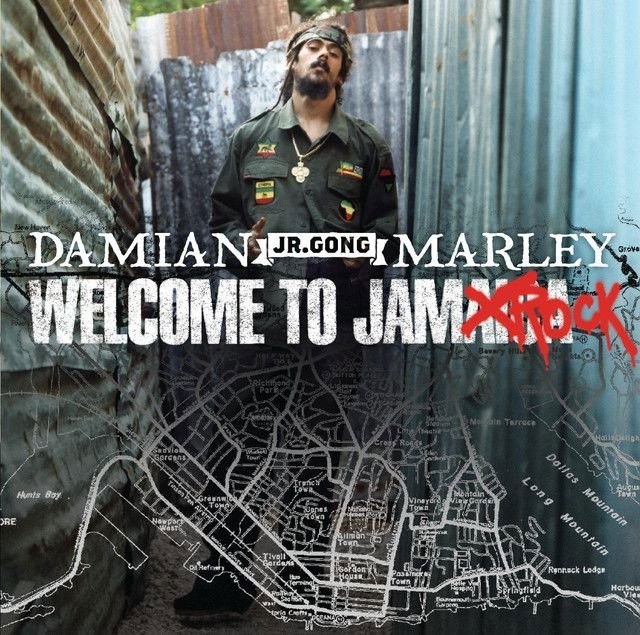
Released on Damian Marley’s Welcome to Jamrock, the track pairs him with Nas, whose guest verse widens the song’s lens from Jamaica to the wider Black world. Together, they turn personal faith into social criticism.
A Journey Song, Not an Escape Song
At its core, “Road to Zion” is about endurance. The chorus repeats the need to keep walking, using the short phrase road to Zion
as both destination and discipline. Zion is not presented as an easy reward. It feels like a path they must choose every day.
That matters because the verses list the forces trying to pull people off that path. Damian Marley names jealousy, abuse of authority, shallow media, and the neglect of poor families and young people. The song says the world is full of traps, but the answer is not surrender. It is focus, prayer, and persistence.

Watch the official Road to Zion
music video
How the Verses Build the Message
Damian Marley opens with social diagnosis. He paints what he calls a world of calamity
, where public systems fail ordinary people. His lines move quickly, but the pattern is clear: power is abused, communities are under pressure, and those most in need get the least help.
He then contrasts all that damage with spiritual steadiness. When he refers to clean and pure meditation
, he is arguing for inner discipline, not passive withdrawal. The song suggests that clear thinking and faith are tools for survival.
This is also why the warnings feel urgent. When he says not to let “them” take people the way others were taken, he points to cycles of violence, state force, and social destruction. The track does not always define the enemy in one way. Sometimes it is corrupt institutions; sometimes it is mental confusion; sometimes it is the whole culture of exploitation.
Nas Turns the Song Global
Nas enters with one of the song’s most important shifts. He keeps the same mood of struggle, but his verse adds a wider political frame. He speaks from exhaustion and moral shock, starting from a feeling of helplessness and then naming scenes of brutality and greed.
His verse links African dictatorship, American policing, prison systems, and materialism. In plain terms, he is saying that the sickness Damian Marley describes is not local. It is international.
Sometimes I can't help but feel helplessWide awake try to relate
Those lines matter because they show the song is not pretending faith makes pain disappear. Instead, they admit confusion first. Only after that does Nas move toward resistance, ending with language about marching, revolution, and shared purpose with Marley.
Why the Chorus Feels Hopeful
The chorus is the emotional anchor. After heavy verses, it returns to motion: keep walking, keep burning, keep going. The phrase Jah will be waiting there
gives the song its spiritual center.
Interpretation: this line does not just promise heaven later. It also suggests that divine truth is already ahead of them, pulling them forward now. That is why the chorus feels hopeful without sounding naive. It does not deny suffering; it places suffering inside a longer journey.
For U.S. listeners especially, this is part of why the song lasts. It speaks to pressure people know well: hostile systems, media noise, economic struggle, and the feeling that moral clarity is hard to hold.
The Sound Carries the Same Burden
The production helps explain the meaning of Road to Zion Damian Marley just as much as the lyrics do. The beat is rooted in reggae, but it carries hip-hop weight, which suits both performers. The drums hit with steadiness rather than speed, creating the feeling of a march instead of a sprint.
The melodic layer gives the song lift, but not softness. It sounds meditative and tense at the same time. That balance mirrors the writing: they are spiritually grounded, yet fully aware of danger.
Damian Marley’s vocal tone is also crucial. He sounds forceful but controlled, never drifting into sentimentality. Nas, by contrast, brings a more conversational urgency. Their two styles make the song feel like both prayer and report.
For basic release and credit context, the song is widely listed in album references such as Discogs.
Artist Context Makes the Song Deeper
Damian Marley comes from reggae royalty, but this song shows why they built their own identity. Like much of Welcome to Jamrock, “Road to Zion” blends roots consciousness with modern street realism. That mix is central to its meaning.
Nas was also an ideal feature because he had long written about structural inequality, urban violence, and survival. His presence turns the track into a conversation between traditions: Rastafari prophecy and New York street testimony.
Final Take on Its Meaning
The meaning of Road to Zion Damian Marley is not just about religion. It is about how faith, memory, and social awareness help people keep moving through a broken world. The song sees corruption clearly, but it refuses to let corruption write the last line.
Interpretation: “Zion” is best heard as a moral direction, not only a place. The real victory is continuing the walk.
Disclaimer: This interpretation is based on the lyrics, performance, and known cultural context. As with any song, listeners may hear different meanings in it.







