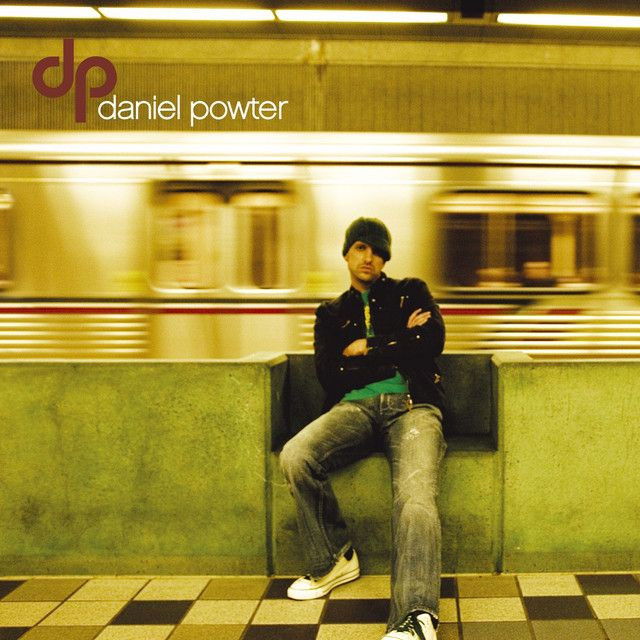
Free Loop by Daniel Powter Meaning Explained
The meaning of Free Loop Daniel Powter centers on emotional limbo. The song sounds warm and easygoing on the surface, but underneath it is about someone stuck between attachment and release. They are trying to act calm after a relationship shifts, yet their words keep circling back to longing, confusion, and the hope that time might soften the pain.
"Free Loop" - Daniel Powter
I won't see you tonight so I can keep from going insane
But I don't know enough, I get some kinda lazy day
Loading lyrics...
Unable to load lyrics
We're unable to display the lyrics at this time. Please try again later.
Daniel Powter wrote the song, and it appeared in the same era that made him widely known for piano-led pop-rock songs with bruised but catchy emotion. Factually, Powter is a Canadian singer-songwriter best known for Daniel Powter and the hit “Bad Day,” as noted by sources such as Britannica and AllMusic. That background matters here: “Free Loop” fits his style of turning private unease into something melodic and accessible.
The Heart of the Song: Stuck in a Cycle
At its core, the song portrays a person who cannot fully move on. The title itself suggests repetition: a loop that keeps playing. Instead of dramatic anger or closure, the speaker seems trapped in a softer kind of aftermath, where habits remain even after intimacy has become unstable.
Early on, the line calling outside your name
suggests distance and disconnection. They still reach outward, but not in a way that brings real contact. Soon after, the song hints at self-protection when the speaker says they will not see the other person that night, as if avoidance is the only way to stay emotionally steady.
Interpretation: this is less a clean breakup song than a portrait of emotional drift. The relationship may not be fully over, but it no longer feels secure or mutual.

Watch the official Free Loop
music video
A Narrator Trying to Sound Fine
One reason the lyric feels compelling is its unstable tone. The speaker sometimes sounds resigned, sometimes hopeful, and sometimes almost detached. That wobble is the point. They are not speaking from clarity; they are speaking from the middle of the mess.
The phrase some kinda lazy day
helps show that haze. Rather than making a sharp decision, they sink into passivity. The emotional trouble is real, but their response is sluggish, as if sadness has drained momentum.
Three emotional beats in the lyric
- They reach for someone who feels absent.
- They try to wait things out and avoid breaking down.
- They imagine change, even while repeating the same thoughts.
That pattern is why the song feels circular. Every new thought returns to the same wound.
Why the Chorus Matters So Much
The chorus gives the song its clearest emotional statement. When the speaker admits it’s hard for me to lose
, they are not only talking about romance. They are also revealing pride, fear, and dependence. Losing this person means losing a version of themselves.
Another key phrase, only time will tell
, introduces patience, but not confidence. Time is presented as the judge because the speaker cannot decide what the relationship is right now.
It’s hard for me to lose
only time will tell
Those lines capture the song’s main tension: they do not want to let go, but they also know they cannot force certainty.
Images of Rain, Fire, and the Outdoors
The song uses simple outdoor imagery to describe inner instability. Rain suggests exposure and loneliness. Fire suggests warmth, danger, and intimacy that still feels close enough to remember. These are not detailed story images; they work more like emotional weather.
When the lyric moves through spaces like rain, night, and being near a fire, it creates the feeling of someone living outside comfort. They are emotionally out in the open. Even when another person is physically near in memory, security never fully returns.
Interpretation: the song’s images make the relationship feel half-sheltered and half-fragile. The speaker wants warmth, but keeps ending up in uncertainty.
How the Sound Supports the Meaning
“Free Loop” works because the music softens the hurt without hiding it. Powter’s songwriting often relies on piano, steady rhythm, and a vocal style that sounds conversational rather than theatrical. According to AllMusic, his catalog blends pop and rock with singer-songwriter intimacy, and that description fits this track well.
The melody has a loose, breezy motion, which creates an interesting contrast. The arrangement feels light, but the words are restless. That mismatch mirrors the speaker’s state of mind: outwardly calm, inwardly stuck. The repeated hook also reinforces the idea of looping thoughts, making the form of the song echo its meaning.
Is It About Casual Love or Fear of Commitment?
One of the song’s trickier details is the reference to a temporary connection. That can sound casual on first listen, but the larger lyric does not feel carefree at all. Instead, it sounds like someone lowering expectations because deeper closeness feels unstable.
Interpretation: there are at least two plausible readings:
- They are trying to convince themselves a lighter relationship will hurt less.
- They are describing a bond that has already weakened, so they settle for whatever form of closeness remains.
In both readings, the key emotion is compromise. The speaker is not celebrating freedom; they are negotiating with disappointment.
Why “Free Loop” Still Connects
The lasting appeal of the meaning of Free Loop Daniel Powter is its honesty about emotional repetition. Many songs describe heartbreak as one big event. This one describes the smaller, more common experience of going in circles after something changes.
That is why phrases like we can change
feel both hopeful and sad. Change is possible, but the song never promises that it will be easy or mutual. It simply stays with the awkward space between wanting relief and not knowing how to get it.
In the end, “Free Loop” is about attachment that has not found a clean ending. It turns hesitation, habit, and faint hope into a catchy pop-rock confession.
Disclaimer: This interpretation is based on the released lyrics, performance, and publicly known artist context. As with most songs, listeners may hear different meanings in the same lines.









