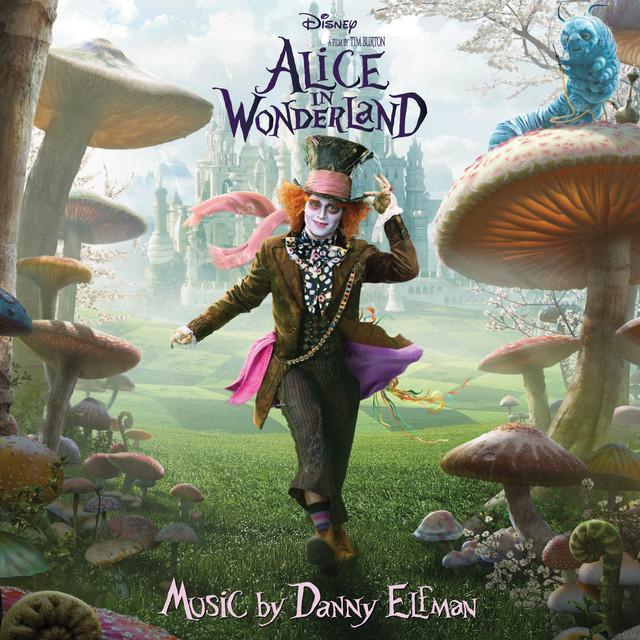
What "Alice's Theme" Is Really Asking
Danny Elfman’s "Alice’s Theme" works like an invitation and a warning at the same time. For listeners searching for the meaning of Alice's Theme Danny Elfman, the song is less about plot details and more about the feeling of entering a world where identity, direction, and logic are unstable.
"Alice's Theme" - Danny Elfman
So near, so far or in between
What have you heard what have you seen
Loading lyrics...
Unable to load lyrics
We're unable to display the lyrics at this time. Please try again later.
Written for Tim Burton’s Alice in Wonderland and performed as part of its musical world, the song captures the emotional center of Alice’s journey: she is pushed to choose a path before she fully understands herself. That tension gives the theme its strange power.
A Song About Choice, Confusion, and Becoming
At its core, the song asks who Alice is while the world keeps asking her to decide too quickly. The repeated calls of her name make the track sound like many voices are pulling at her from different directions.
Early lines frame her as both close and unreachable, with questions about where she has been and what she has seen. That matters because Alice is not presented as a stable hero. She is someone in between states, which fits a story built on size changes, shifting rules, and uncertain memory.
Interpretation: The main meaning is about growing through confusion. The song suggests that self-knowledge does not arrive before the journey. It comes through the journey.

Watch the official Alice's Theme
music video
Why the Lyrics Feel Like a Puzzle Box
One reason the lyric works is that it keeps turning questions into pressure. Phrases like big or small
do more than describe Wonderland’s magic. They point to identity itself. Alice is always being measured, tested, or redefined.
The same is true of choose the door
and choose the path
. Those phrases make Wonderland sound like a maze of decisions. The song never promises a clear answer, only consequences.
How will you find your way?
There's no time for tears today
That brief refrain is the emotional key. It says Alice must move forward even before she feels ready. In simple terms, the world is asking for courage before comfort.
The Story Beneath the Surface
The lyrics move in a loose but clear sequence:
- Alice is called into question.
- She is placed in a world of unstable scale and strange rules.
- She faces choices with risk attached to each one.
- She is warned not to lose herself inside the chaos.
That is why lines about a long fall and many doors matter so much. They are not just fantasy details. They show how every step into Wonderland feels like a test of judgment.
Interpretation: The song can be heard as the voice of Wonderland itself. Instead of one speaker, it may represent a chorus of forces asking Alice to prove who she is.
Symbols That Carry the Meaning
Doors, Paths, and Falling
Doors are the clearest symbol in the song. They suggest possibility, but also anxiety. Every opening demands a decision, and every decision closes off another life.
The image of falling adds another layer. A fall can mean adventure, but it can also mean loss of control. In Alice’s world, discovery and danger arrive together.
Size and Identity
When the song asks if Alice is big or small
, it speaks to more than her physical changes. It hints at the unstable sense of self that comes with growing up. One moment she is expected to be brave; the next, she is treated like a child.
Losing Her Head
The warning lose your head
carries both story context and emotional meaning. In Wonderland, it echoes the tale’s comic menace. More broadly, it warns against panic, confusion, and giving in to fear.
How Danny Elfman’s Music Shapes the Message
Elfman is known for music that blends fantasy with unease, especially in his work with Tim Burton on films such as Edward Scissorhands and Corpse Bride. That long creative partnership is well documented in film coverage and studio materials about Burton and Elfman’s collaborations. In this song, the arrangement does much of the storytelling.
The orchestration feels grand, but never fully safe. Strings rise like wonder opening up, while choral textures make the world sound ancient, theatrical, and slightly haunted. The melody circles rather than settles, which supports the lyric’s sense that Alice is searching rather than arriving.
The vocal writing also matters. The performance does not sound like a private diary entry. It sounds ceremonial, as if Alice has stepped into a legend that already knows her name. That choice makes the song feel bigger than one girl’s confusion. It becomes a rite of passage.
A Few Strong Readings of the Song
Reading One: A Map of Adolescence
This is the strongest interpretation for many listeners. The song mirrors the experience of growing up: changing body, conflicting advice, too many choices, and pressure to act mature before feeling ready.
Reading Two: Wonderland as Inner Chaos
Another valid reading is psychological. The strange voices and repeated questions can be heard as Alice’s own mind trying to sort fear from curiosity. In that view, Wonderland is not just a place. It is a state of uncertainty.
Why the Theme Still Connects
The reason the meaning of Alice's Theme Danny Elfman continues to interest listeners is simple: it turns a famous fantasy into a very human problem. People of any age know what it feels like to face too many choices, too little clarity, and the fear of getting lost.
The song does not solve that fear. Instead, it gives it a beautiful shape. That is what makes it memorable.
Final Thought
"Alice’s Theme" is about entering the unknown before they have all the answers. Through questions, warnings, and dreamlike music, Elfman turns Alice into a symbol of anyone trying to find a path through a confusing world.
Disclaimer: This article offers interpretation based on the lyrics, film context, and musical style. Song meaning can remain open to different listener readings.








