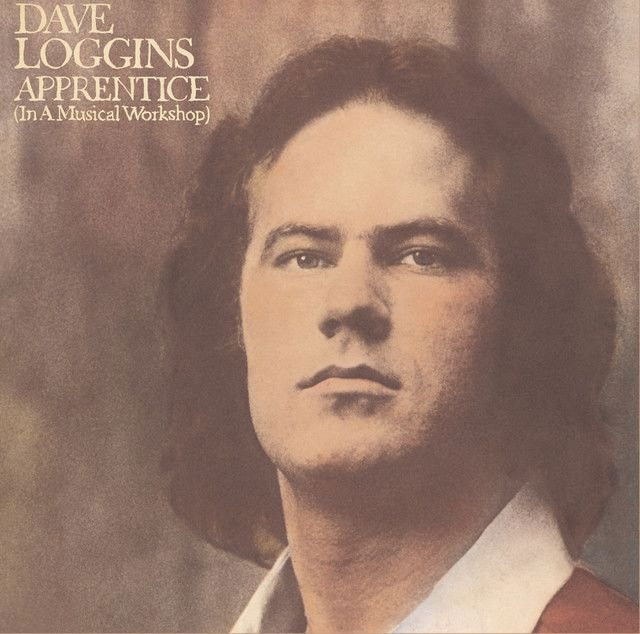
Why 'Please Come to Boston' Still Hurts
The meaning of Please Come To Boston Dave Loggins comes from a simple but powerful conflict: one person keeps chasing the next horizon, while another asks for something steadier. That contrast is why the song still lands so well. It sounds easygoing at first, but underneath the smooth melody is a story about love, longing, and a life that never quite settles.
"Please Come To Boston" - Dave Loggins
I'm stayin' here with some friends and they've got lots of room
You can sell your paintings on the sidewalk
Loading lyrics...
Unable to load lyrics
We're unable to display the lyrics at this time. Please try again later.
Dave Loggins wrote and recorded the song, which became his biggest hit in 1974, reaching No. 5 on the Billboard Hot 100 according to Billboard. That success makes sense. The song blends a singer-songwriter intimacy with pop polish, and it turns a very specific story into something widely relatable.
A Love Story Built on Opposite Needs
At the center of the song is a narrator who keeps inviting a partner into imagined new lives. First it is Boston, then Denver, then Los Angeles. In each place, he pictures a fresh start, a different version of success, and a romantic future that will finally feel complete.
But each invitation is answered the same way: come home instead. The woman hears the dream, but she does not buy into its promise. Her response to the ramblin' boy
is not cruel. It is clear-eyed. She seems to understand that the problem is not the city. The problem is that he is always looking for the next one.
That is the emotional core of the song. He offers motion; she offers belonging. He sees possibility in distance; she sees love in staying put.
Watch the official Please Come To Boston
music video
The Cities Are More Than Cities
One reason the song feels rich is that each location carries its own mood. Boston suggests culture, art, and springtime hope. Denver feels open, natural, and romantic, especially with the mountain imagery. Los Angeles adds glamour and success, but also distance and strain.
These places are not just stops on a map. Interpretation: they act like three versions of the same fantasy. In every verse, the narrator imagines that the next setting will unlock the life he wants. Yet the repeated refusal shows that changing scenery does not solve a deeper restlessness.
A short list makes the pattern easier to see:
- Boston = youthful ambition and artistic promise
- Denver = intimacy wrapped in nature
- Los Angeles = fame, comfort, and illusion
The woman answers all three dreams with the same emotional truth: none of them matter if he will not truly return.
What the Refrain Reveals
The hook works because it flips the song’s title idea. He keeps saying Please come to Boston
, or to some other far-off place. She keeps answering with a version of come home. That reversal gives the song its ache.
Her line about there being no gold
is especially important. She is not only rejecting the trip. She is rejecting the fantasy behind it. In plain terms, she is saying that his search for fulfillment in places, careers, or scenes will not replace real human connection.
Later, the song becomes even more direct. The narrator admits this world goes 'round and 'round
, and he doubts it will stop. That sounds less like excitement than exhaustion. By the time he says he still needs someone to lean on, the wandering life no longer feels glamorous.
all the dreams I've lost or found
I still need to lean to
somebody he can sing to
That is the song’s turning point. After all the travel and all the dreaming, what remains is not adventure but need.
How the Sound Softens the Message
Musically, the track helps the story feel tender instead of bitter. It sits in a soft pop style with country and singer-songwriter touches, matching the era that AllMusic associates with Loggins’s work. The arrangement is smooth, mid-tempo, and open enough to let the lyric lead.
The vocal matters too. Loggins does not sing like a swaggering drifter. He sounds thoughtful, almost resigned. That makes the narrator feel human rather than selfish. The listener can hear that he believes in each new vision, even as the song quietly shows why those visions keep failing him.
Why the Song Endures
Part of the song’s staying power is that it never mocks either side. The drifter is not a villain for wanting more. The woman is not small-minded for wanting home. Both desires are recognizable, which lets listeners bring their own lives into the song.
Interpretation: some hear it as a warning about endless ambition. Others hear it as a portrait of a person who simply cannot stop searching. Both readings fit, and that openness keeps the song alive.
In the end, the meaning of Please Come To Boston Dave Loggins is not really about Boston at all. It is about what happens when love asks for presence, but identity is tied to motion. The song understands that some people keep moving because they are hopeful, and others ask them to stay because they are wise.
That tension is why the track still feels poignant decades later.
Disclaimer: This interpretation separates documented facts from informed reading. As with many songs, meaning can remain open to listeners’ own experiences.







