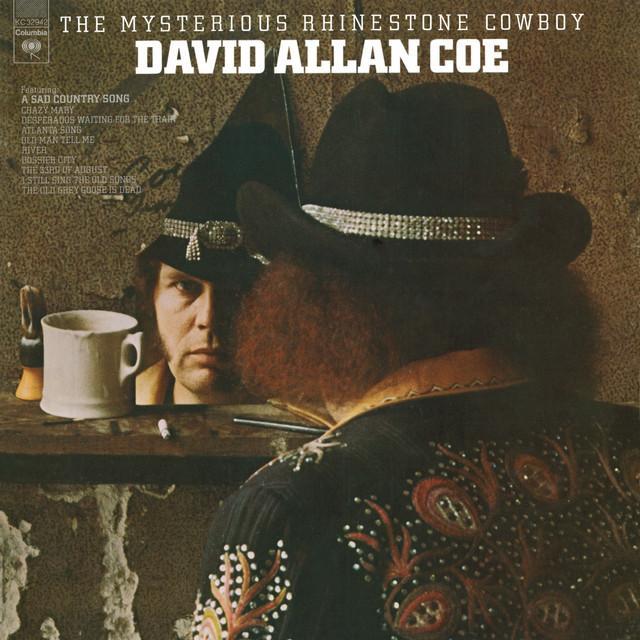
A Sad Country Song by David Allan Coe
Why This Small Song Hits So Hard
The meaning of A Sad Country Song David Allan Coe comes through in a simple idea: country music can keep lonely people company when nobody else is there. The singer is not promising to fix a broken life. They are offering something smaller, but sometimes just as useful: a voice on the jukebox, a shared sadness, and a few minutes of feeling understood.
"A Sad Country Song" - David Allan Coe
And think you're the only one
Left that's alone in a bar
Loading lyrics...
Unable to load lyrics
We're unable to display the lyrics at this time. Please try again later.
That is why the song feels gentle instead of dramatic. Its speaker notices the person at the bar, imagines their heartbreak, and steps in as a kind of musical friend. The song says that if a person feels like the last sad soul in the room, they are not alone after all.

Watch the official A Sad Country Song
music video
A Jukebox as a Lifeline
At the center of the song is one vivid image: the jukebox. When the singer says to look for my name
, they turn a machine into a place of human connection. The lonely listener does not need a grand rescue. They only need a record, a coin, and a familiar voice.
That idea matters because country songs often work this way. They do not erase pain; they sit beside it. Here, the line about putting in a dime makes comfort feel cheap, available, and democratic. Anyone in the bar can reach for it.
Interpretation: the jukebox is more than a prop. It stands for how recorded music becomes a stand-in for friendship. A stranger may not know who to call, but they can still choose a song that understands them.
Who Is Speaking, and to Whom?
The narrator speaks in first person, but always toward someone else. They address a hurting listener directly, especially in phrases like if you're feeling lonely
and tired of being alone
. That direct address makes the song feel personal, almost like a late-night conversation across a table.
The listener in the song seems stuck in a familiar country setting: a bar, a drink, old memories, and an empty home. The lyrics suggest heartbreak without overexplaining it. They mention drinking, thinking too much, and calling only to find nobody home
. Those details build a full scene with very little language.
The Song's Emotional Timeline
The story moves in a clear pattern:
- A lonely person sits in a bar.
- They try to numb the pain with alcohol.
- Their thoughts return to the same hurt.
- The singer offers a sad song as company.
That structure is important. The song is not about solving loneliness. It is about surviving the night.
How the Chorus Reframes the Pain
The chorus is the song's real message. The verses describe isolation, but the repeated offer changes the mood from despair to comfort. When the singer promises I'll take the time
and sing you a sad country song
, sadness becomes a service, almost an act of care.
This is one reason the song feels warm despite its title. It understands that brokenhearted people often do not want cheerful advice. They want a song that sounds like the way they feel.
Just look for my name on a jukebox
Put in a dime
And I'll take the time
To sing you a sad country song
In that short refrain, Coe links loneliness, ritual, and relief. The hurt stays real, but it is now shared.
Country Tradition in Miniature
This song also works as a statement about the genre itself. David Allan Coe became a major figure in outlaw country, known for a rough image and a career that moved between hard-living myth, sharp songwriting, and controversy. According to his Wikipedia biography, he emerged in the 1970s outlaw scene but always sounded rooted in older country habits: plain language, emotional directness, and sympathy for outsiders.
“A Sad Country Song” fits that side of his writing well. It does not lean on rebellion or swagger. Instead, it uses classic country materials: heartbreak, bars, tears, phone calls, and the healing power of records. In that sense, it feels almost like a mission statement for what country music can do.
Sound, Production, and Why the Simplicity Matters
Even without flashy production details, the song's likely musical shape is easy to hear from the writing itself. The lines are short, the images are clean, and the chorus is built to land softly but memorably. A traditional country arrangement suits that design: steady rhythm, unhurried tempo, and space for the vocal to carry the feeling.
That matters because Coe's voice was often described as a throaty baritone, a style well suited to songs about weariness and lived experience. A performance like this would not need big ornamentation. The emotional effect comes from understatement.
Interpretation: the song's plain construction is part of its meaning. It sounds like the sort of tune a lonely person could trust. If it were too polished or too dramatic, it would lose the intimacy that makes it believable.
The Deep Theme: Shared Sadness
The main theme is not heartbreak by itself. It is shared heartbreak. The singer never claims to be above the listener's pain. They place themselves near it, ready to accompany it. That is a subtle but powerful difference.
Several motifs support that theme:
- the bar as a public place for private pain
- drinking as failed escape
- the telephone as proof of absence
- the jukebox as emotional refuge
Together, those images create a world where loneliness is ordinary, almost expected. Yet the song refuses to leave the listener stranded there.
A Second Reading Worth Considering
There is also another way to hear the song. Interpretation: it may be partly self-portrait. When the narrator offers their own record as comfort, they are also describing the working country singer's role. They survive by turning pain into performance, and in return, listeners use that performance to survive their own nights.
That reading makes the song quietly meta. It is not only a sad country song; it is a song about why sad country songs exist.
Why It Still Connects
The meaning of A Sad Country Song David Allan Coe lasts because it honors a basic truth: people often reach for music when people fail them. The song understands that loneliness gets louder at night, in bars, and after bad calls home. It also understands that a familiar voice can make that loneliness easier to carry.
In the end, Coe's song is less about misery than mercy. It offers no cure, only company. For many listeners, that is exactly what country music is for.
Disclaimer: This interpretation is based on the lyrics, known context about David Allan Coe, and common country music themes. As with any song, listeners may hear it differently.








