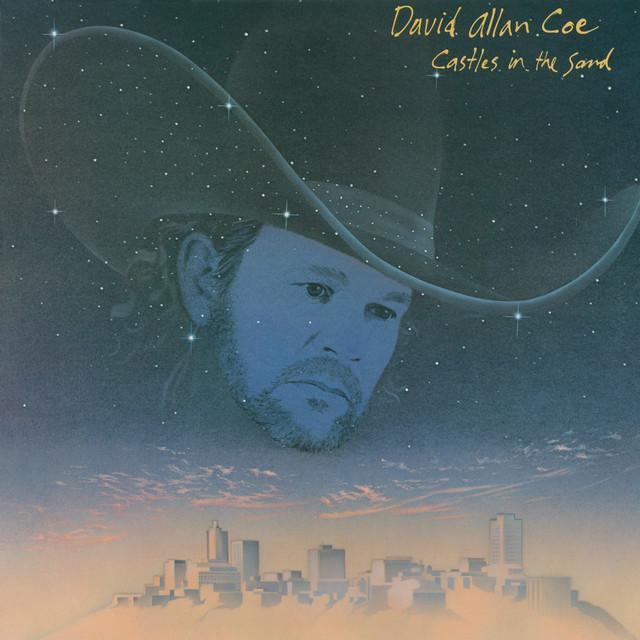
Cheap Thrills by David Allan Coe
The outlaw grin at the center
The meaning of Cheap Thrills David Allan Coe starts with a simple idea: the singer knows people disapprove of him, but he wears that judgment like a badge. This is not a song about deep regret. It is about attraction to risk, low stakes excitement, and the kind of trouble that feels good precisely because it is frowned upon.
"Cheap Thrills" - David Allan Coe
And all a mine are trash
They say you find your own level
Loading lyrics...
Unable to load lyrics
We're unable to display the lyrics at this time. Please try again later.
David Allan Coe built much of his image around rebellion and outsider status in country music. That context matters here. Coe became known for pushing against Nashville polish, and songs like this fit that persona. Even the title points to pleasure that is quick, rough, and maybe a little self-destructive.
Factually, "Cheap Thrills" is listed as a 1983 David Allan Coe song, and the writing credit here goes to Bob McDill, one of country music's most respected songwriters. That mix is important: McDill brings sharp, clean writing, while Coe brings a rough-edged voice that sells the attitude.
Watch the official Cheap Thrills
music video
A narrator who accepts the blame
From the first verse, the song presents a man who knows how others see him. He says people judge him by his company and sees himself as a snake in the grass
. That image is blunt. It suggests someone sneaky, untrusted, and already pushed outside decent society.
But the key move in the lyric is that they do not defend themselves. They do not say the crowd is wrong. Instead, they admit they are drawn to the very things that cause the judgment. That gives the song its force.
Shame turns into identity
The line about having a low reputation
shows that the singer understands his public image. Yet the song does not turn inward in a sad way. It flips shame into identity. If the world expects bad behavior, the narrator almost seems happy to deliver it.
Interpretation: this is less a confession than a declaration. The singer is not asking for forgiveness. They are naming a pattern they no longer plan to fight.
What the chorus really means
The chorus is catchy because it reduces the whole personality of the song to one appetite: cheap thrills
. In plain terms, that means pleasure that is easy, immediate, and not very noble. It can mean nightlife, bad decisions, flirting with danger, or any thrill that brings a rush without much lasting value.
The most revealing line is if you ain't supposed to do it
. That phrase makes the attraction clear: the point is not just fun. The point is forbidden fun. Rules create temptation, and temptation creates identity.
Cheap thrills
night after night
if you ain't supposed to do it
Those repeated phrases suggest routine, not accident. This is not one wild evening. It is a lifestyle loop. The character keeps returning to the same habits, even while knowing exactly how they look from the outside.
How the verses build the theme
The verses move in a smart sequence:
- They establish social judgment.
- They admit personal weakness.
- They turn that weakness into desire.
- The chorus celebrates what should probably worry them.
That structure is why the song feels honest. The narrator begins with what other people say, then slowly reveals that the critics are basically right. The line about being attracted to these habits makes the song feel almost compulsive. Later, when the singer says they want to do what they are not supposed to do, the rebellion sounds instinctive rather than planned.
Interpretation: the song can be heard as a portrait of addiction to excitement, even if it never names any one vice directly. Its vagueness helps. Listeners can fill in the blank with whatever kind of trouble they know best.
Sound, delivery, and country attitude
Musically, the song works because the arrangement supports the plainspoken lyric. It sits in a sturdy country frame: steady rhythm, strong backbeat, and a barroom-ready feel rather than a delicate ballad mood. That matters for meaning. A softer arrangement might have made the singer sound guilty or wounded. Here, the groove keeps things moving with a wink.
Coe's vocal delivery also sharpens the message. He often sounds more amused than ashamed, which turns the song from moral warning into character sketch. The vocal edge suggests someone who has heard every lecture already and has chosen the road anyway.
This is where Bob McDill's writing is especially effective. McDill, noted in the Bob McDill overview for writing major country hits, often wrote with direct language and emotional clarity. In this song, that directness leaves room for the performer to add swagger.
More than rebellion, less than tragedy
One reason the song lasts is that it sits between comedy and sadness. On the surface, it is a rowdy anthem about bad habits. Underneath, there is a hint that the narrator cannot really stop. They say they cannot help the things they do, which gives the fun a darker edge.
That tension is the heart of the meaning of Cheap Thrills David Allan Coe. The singer is free, but not fully in control. They are laughing, but maybe repeating a cycle. They sound proud, yet the pride may cover emptiness.
A useful way to read it
Listeners can hear the song in two main ways:
- As defiance: a man rejects respectability and chooses outlaw pleasure.
- As self-exposure: a man admits he is trapped by his own appetites.
Both readings fit, and the best country songs often allow that split.
Why the song still connects
The song still works because many people understand the pull of the wrong decision, even in small ways. Not everyone shares the narrator's lifestyle, but most people recognize the urge to chase what feels good now and deal with the cost later.
That makes the song larger than its rough character. It becomes a study in temptation, reputation, and the strange pride people can take in their flaws.
Final takeaway
In the end, "Cheap Thrills" is about more than wild nights. It is about a person who sees their own bad pattern clearly and chooses it anyway. That mix of honesty, swagger, and danger gives the song its bite.
Disclaimer: This interpretation is based on the lyrics, performance, and available song context. As with many country songs, meaning can vary by listener.








