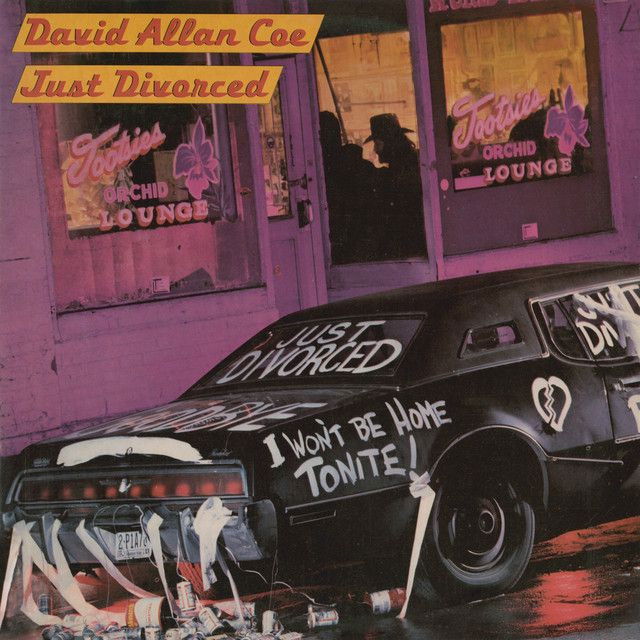
Why 'Cocaine Carolina' Hits So Hard
The song turns addiction into a breakup story
The meaning of Cocaine Carolina David Allan Coe comes through fast: this is a song about addiction, but it is written like a love song gone wrong. The narrator talks about cocaine as if it were a woman named Carolina. That choice gives the song a strange mix of charm, shame, and pain.
"Cocaine Carolina" - David Allan Coe
Looking like the patches was about to eat my jeans.
Feeling like my belly was a warehouse for the blues
Loading lyrics...
Unable to load lyrics
We're unable to display the lyrics at this time. Please try again later.
From the opening, they are in rough shape, waking up on a floor in New Orleans and feeling physically wrecked. The song does not romanticize that state. Instead, it shows the crash after a binge. When the narrator says they miss their sweet Cocaine Carolina
, the line sounds tender on the surface, but the context makes it bitter. They are attached to something that is hurting them.
That split feeling is the key to the whole track. David Allan Coe often wrote from the edge of outlaw-country life, and his catalog is known for blunt storytelling and taboo subjects, as noted by his AllMusic biography. This song fits that image well.
Watch the official Cocaine Carolina
music video
A narrator who knows the problem but cannot quit
One of the smartest things in the lyric is that the narrator is not clueless. They understand the trap. They even ask, how did I get hooked on you?
That phrase works in two ways at once. In a romance song, it means emotional attachment. Here, it also points to chemical dependence.
That double meaning gives the song its sting. The narrator speaks as if they are ending the relationship, saying you and I are through
, but the confidence sounds shaky. The song keeps circling back to desire, habit, and relapse. Even the goodbye feels temporary.
Interpretation: The song is less about a clean break than about the fantasy of one. The narrator wants control, but their language suggests they are still caught in the cycle.
The story moves like a hangover memory
From wreckage to recollection
The first verse begins with bodily misery and then moves into memory. They remember meeting Carolina on an ocean liner and being young enough to believe the affair could last. That glamorous setting matters. It makes the drug seem elegant at first, almost cinematic.
Then the illusion drops. The narrator admits they never could afford her
. That line is about money, of course, but also cost in a larger sense. Cocaine drains cash, health, stability, and dignity.
The chorus acts like a false resolution
Each return to goodbye sounds like a decision, yet the song keeps proving how fragile that decision is. The narrator announces an exit plan and then drifts into more wandering thoughts about where to go next. Kentucky, Lexington, California: these places feel less like destinations than escape fantasies.
So goodbye Cocaine Carolina
you and I are through
Those lines sound final, but the song’s emotional logic says otherwise. The repeated farewell becomes part confession, part self-persuasion.
Humor keeps the song from becoming preachy
A major reason the song works is its dark humor. Coe does not deliver a moral lecture. He lets the narrator talk with wit, exaggeration, and self-mockery. Even the personified name “Cocaine Carolina” has a sly, almost playful sound.
That matters because it reflects how people often talk about destructive habits. They joke, dodge, charm, and spin stories. The song captures that behavior without excusing it. The comic touch makes the pain easier to hear, but it also makes the denial more obvious.
Interpretation: The humor is a defense mechanism. It keeps the narrator from fully facing how bad things have become.
The women in the song are really symbols
The song mentions Carolina and also “Sandy Scag,” another drug-coded figure. These names should not be read mainly as realistic characters. They work as symbols for different substances and different forms of escape.
Carolina is expensive, seductive, and destructive. Sandy Scag sounds cheaper, earthier, and more available. The switch from one to the other does not show recovery. It shows substitution. The narrator is not moving toward health; they are moving toward a different fix.
That idea sharpens the meaning of Cocaine Carolina David Allan Coe. The song is not only about one drug. It is about addictive thinking itself: the constant attempt to solve pain with another version of the same problem.
How the outlaw-country sound supports the meaning
Musically, the song fits Coe’s rough-edged country style. His recordings from this era often blend honky-tonk structure, steady rhythm, and conversational vocals rather than polished pop drama. Readers can hear that broader style in his catalog history. In a song like this, that plainspoken delivery helps the narrator feel lived-in and believable.
The likely effect of the arrangement is important. A mid-tempo country groove gives the lyric room to breathe, while Coe’s relaxed phrasing keeps the song from sounding melodramatic. That restraint is powerful. The more casually the narrator speaks, the sadder the situation feels.
Instead of huge emotional peaks, the song works through repetition. That mirrors addiction well. It is not always explosive. Often it is routine, circular, and weary.
Why the song still lands
What keeps this track memorable is its balance of plain truth and clever disguise. It is catchy enough to sound like a barroom story, but underneath it is a hard look at compulsion, self-deception, and the cost of chasing relief.
For listeners, the song can read in two ways at once: as a witty outlaw-country number and as a bleak portrait of dependency. Both readings are valid. In fact, they need each other. Without the humor, it would feel too heavy. Without the damage, it would feel too cute.
Final takeaway on the song's core message
At its core, the meaning of Cocaine Carolina David Allan Coe is about a person trying to turn addiction into a romance story because that version is easier to tell. The song sees through that trick even as it uses it.
That is why the farewell never feels fully believable. The narrator knows the relationship is toxic, but knowing is not the same as escaping.
Disclaimer: This article offers interpretation based on the lyrics, performance, and available artist context. Song meanings can remain open to more than one reasonable reading.








