Why 'Tennessee Whiskey' Hits So Deep
The meaning of Tennessee Whiskey David Allan Coe starts with a simple idea: this is not really a song about drinking. It is a love song about rescue. The narrator looks back on a life shaped by bars, loneliness, and emotional numbness, then compares a partner's love to familiar drinks because that is the language they know best.
"Tennessee Whiskey" - David Allan Coe
Liquor was the only love I'd known
But you rescued me from reaching for the bottom
Loading lyrics...
Unable to load lyrics
We're unable to display the lyrics at this time. Please try again later.
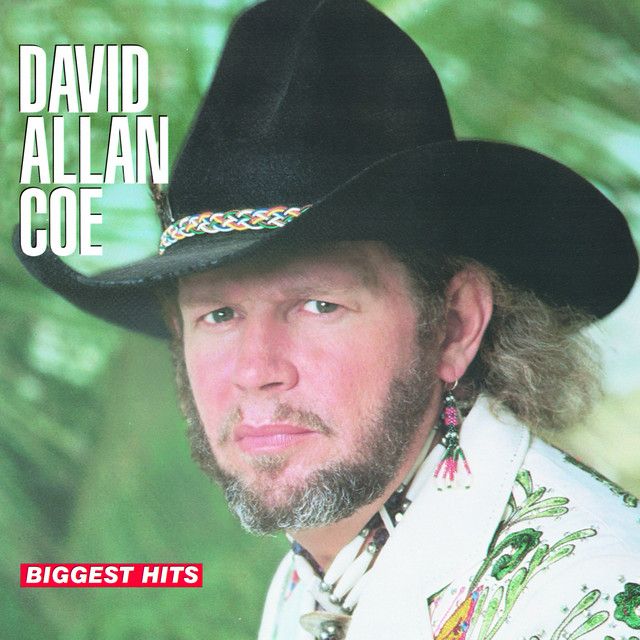
David Allan Coe first recorded the song for his 1981 album Tennessee Whiskey. According to this Wikipedia entry, the song was written by Dean Dillon and Linda Hargrove, produced by Billy Sherrill and Coe, and released as a single in 1981. Coe's version came first, even though later covers made the song even more famous.
More Than a Drinking Song
At the center of the song is a person who once treated alcohol as comfort, habit, and identity. Early lines describe nights in a bar room and a life where liquor felt like the only dependable love. That setup matters because it shows how low the narrator believes they had fallen before real intimacy arrived.
When the song turns toward romance, it frames love as a force that pulls them back from ruin. A phrase like too far gone
suggests more than a bad night out. It points to emotional damage, self-destructive patterns, and the fear that change may come too late.
Interpretation: The song's real subject is transformation. The romance works because it does not erase the past; it answers it. The beloved becomes proof that the narrator's life can feel different.

Watch the official Tennessee Whiskey
music video
How the Story Moves From Bottle to Belonging
The verses tell a clear before-and-after story:
- They once lived in a bar-centered world.
- They searched for comfort in old habits.
- Those habits failed them.
- Another person's love finally gave them a reason to stop falling.
That is why the line about the bottom of the bottle being dry is so important. The song is saying addiction, escape, or routine cannot truly satisfy. Even when the bottle promises relief, it leaves emptiness behind.
Then the narrator hears genuine emotional openness. When the partner poured out your heart
, they recognized something alcohol never offered: care, honesty, and steadiness. The song treats that moment as a turning point.
The Chorus Turns Liquor Into a Love Language
The chorus is famous because it uses alcohol imagery in a surprising way. Instead of praising drinking itself, it uses whiskey, wine, and brandy as metaphors for tenderness, sweetness, and warmth. A short phrase like smooth as Tennessee whiskey
does not glorify booze so much as borrow its texture to describe affection.
sweet as strawberry wine
warm as a glass of brandy
Those images are easy to feel. Smooth means comforting. Sweet means emotionally generous. Warm means safe and close. The final idea, stoned on your love
, pushes the metaphor further by saying this relationship creates a natural high that replaces an artificial one.
Interpretation: The chorus works because it keeps one foot in the narrator's old world. They still speak through the imagery of drinking, but now that imagery has been redeemed. Love has taken over the role alcohol once played.
Why the Plain Language Works So Well
One reason the song has lasted is its direct writing. Dean Dillon and Linda Hargrove did not fill it with complicated symbols. They built the song around familiar objects and let the emotional contrast do the work.
The images are ordinary, but the emotional shift is strong. The bottle once stood for loneliness and numbness. The lover now stands for healing and presence. That contrast gives the song its power.
The rhyme scheme is also simple and steady, which fits classic country writing. Nothing in the lyric calls attention to itself as clever for its own sake. Instead, the song aims for immediate recognition, the kind of line a listener understands on first hearing.
How Coe's Recording Shapes the Meaning
David Allan Coe's original version is rooted in traditional country. The production by Billy Sherrill and Coe keeps the song grounded in a clean, straightforward arrangement rather than turning it into a dramatic crossover statement. That matters for interpretation.
With gentle tempo, country instrumentation, and an unhurried vocal, Coe delivers the song like a lived confession. They do not oversell the pain. The restraint makes the narrator sound believable, as if they are stating a hard truth rather than performing one.
That traditional setting also places the song inside a long country tradition where bars, heartbreak, and redemption often sit side by side. In that sense, the song is classic country storytelling: damaged person, honest admission, and one fragile chance at grace.
Coe's Version vs. the Song's Later Life
Although Coe introduced the song, it grew larger through later recordings. George Jones took it to No. 2 on the country chart in 1983, while Chris Stapleton's version became a major modern hit and, after its CMA Awards boost, helped turn the song into a cross-generational standard. As the same Wikipedia entry notes, Stapleton's cover eventually reached major certification milestones, including 2× Diamond in the United States in 2026.
Still, the meaning at the core stays the same across versions: love is described in the vocabulary of dependence, but with a crucial twist. This dependence heals rather than empties.
The Lasting Meaning of Tennessee Whiskey
So what is the meaning of Tennessee Whiskey David Allan Coe? It is a song about someone whose emotional life was once trapped in the habits of drinking culture, only to discover a deeper form of comfort in real love. It turns the language of intoxication into the language of devotion.
That is why the song still connects. It understands that people often describe healing through the same symbols they once used for pain.
Interpretation disclaimer: Song meaning is never fully fixed. This reading is based on the lyrics, recording context, and the song's country tradition, but listeners may hear its message differently.







