Why Coe's Funniest Hit Still Cuts Deep
The meaning of You Never Even Called Me By My Name David Allan Coe starts with a simple wound: the pain of not being recognized by someone who should know them best. But the song does not stay there. It turns that hurt into one of country music’s smartest jokes, balancing heartbreak with a wink.
"You Never Even Called Me by My Name" - David Allan Coe
That I could do to keep from crying'
Sometimes it seemed so useless to remain
Loading lyrics...
Unable to load lyrics
We're unable to display the lyrics at this time. Please try again later.
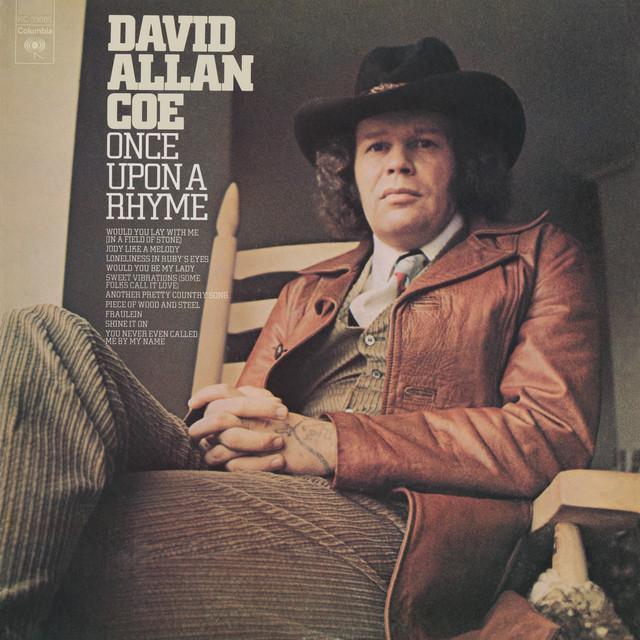
David Allan Coe’s version became the best-known recording after appearing on Once Upon a Rhyme in 1975. According to chart data summarized by Wikipedia, it became Coe’s first Top 10 country hit, peaking at No. 8 on Billboard’s country chart. That matters because the song is not just a novelty record. It is a parody that also worked as a real mainstream country single.
The Hurt Beneath the Punchline
Before the famous spoken bit, the song plays its sadness straight. The narrator feels tolerated but not truly loved. They are willing to stay, wait, and even suffer, yet the relationship still lacks the most basic sign of closeness.
That is why the line you never even called me by my name
lands so hard. In plain terms, the narrator is not begging for grand romance. They only want simple recognition. The title phrase turns a small social act into proof of emotional distance.
Another short phrase, standing in the rain
, deepens that idea. The rain suggests discomfort, patience, and humiliation. They will keep showing up, but the other person still keeps them at arm’s length.
Watch the official You Never Even Called Me by My Name
music video
Why the Name Matters So Much
The song’s emotional trick is that a name stands for identity. If someone will not say it, they may not really see the person in front of them. The narrator is not upset over etiquette alone. They are upset because they feel erased.
That idea gets funnier and sadder when the song lists stars like Waylon Jennings, Charley Pride, and Merle Haggard. The narrator says they do not need to be called those famous names. In other words, they are not asking to be idealized. They would settle for being acknowledged as themselves.
A Joke About Fame and Selfhood
One of the song’s smartest lines points to hearing their own name in public but not in private. The narrator can find it in a phone book or on signs, yet the person they care about still will not say it. Interpretation: this contrast suggests that public identity means nothing if intimate love fails.
The Song’s Big Turn Into Meta-Country Comedy
The record’s most famous feature is the spoken section about Steve Goodman. Goodman wrote the song, and Coe explains that Goodman called it the perfect country-and-western song. Coe jokes that it could not be perfect without stock ingredients like mama
, trains
, and getting drunk
.
That setup is rooted in the song’s history. The song was written by Steve Goodman, with John Prine contributing though he asked to be uncredited on the original release, as noted in the same Wikipedia entry. Prine reportedly thought it was too goofy and did not want to offend country fans.
The final verse then deliberately stuffs in every cliché Coe mentioned. Instead of ruining the song, the move completes it. The joke works because listeners have already heard a believable sad country song, so the exaggerated ending feels like both satire and tribute.
mama got out of prison
pickup truck
damned old train
Those images are absurd when stacked together so fast. But they also reveal affection for country storytelling. The song laughs at the genre’s habits without sounding superior to them.
How the Music Supports the Meaning
Coe’s recording sounds traditional enough to sell the feeling before the humor fully arrives. Sources describe the arrangement as featuring resonator guitar, pedal steel, electric guitar, and bass, giving it a classic country frame that fits both loneliness and parody. The performance matters: if the track sounded too silly from the start, the emotional hook would disappear.
Instead, the easy tempo and barroom warmth let Coe act like a wounded narrator first and a comedian second. That order is crucial. The music tells listeners to trust the sadness, which makes the later self-aware joke even sharper.
A Friendly Spoof, Not a Cheap One
This is why the song has lasted. It is not mocking country from the outside. It knows the style deeply enough to imitate it with love. Coe’s half-spoken delivery, the casual band feel, and the sing-along chorus all keep it rooted in the world it is teasing.
Why the Song Still Connects
For many listeners, the appeal is simple: they can laugh and still feel the sting. Almost everyone knows what it is like to want basic acknowledgment from someone distant. The song turns that feeling into a memorable hook, then broadens it into a comment on country music itself.
Interpretation: the song may be heard in two ways at once:
- As a sad plea for recognition in a failing relationship.
- As a smart send-up of country music formulas.
Its brilliance is that neither reading cancels the other. The parody gives the heartbreak flavor, and the heartbreak keeps the parody from becoming empty.
The Lasting Meaning of the Song
The meaning of You Never Even Called Me By My Name David Allan Coe lies in that double effect. It is about being unseen, but it is also about how country music turns pain into a shared performance. The title line is funny, but it also captures a real human ache.
That is why the song endures: it knows country music can be corny, dramatic, and deeply moving all at once.
Disclaimer: This interpretation separates documented facts about the song’s writing, release, and chart performance from critical reading of its themes and symbols. Meaning can vary from listener to listener.







