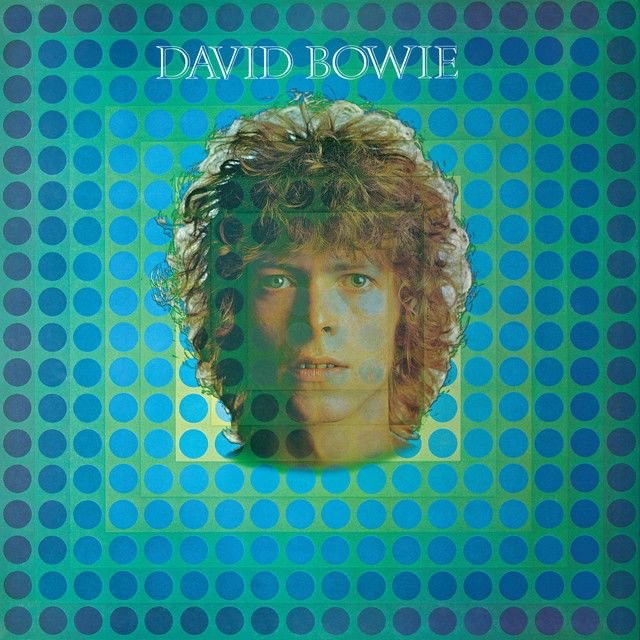
The Meaning of 'Space Oddity' by David Bowie
What keeps Bowie’s first great space drama so haunting? For readers searching the meaning of Space Oddity David Bowie, this guide explains the story, symbols, and the sound that made Major Tom unforgettable.
"Space Oddity" - David Bowie
Ground Control to Major Tom
Take your protein pills and put your helmet on
Loading lyrics...
Unable to load lyrics
We're unable to display the lyrics at this time. Please try again later.
Lost Contact, Found Truth: The Core Idea
Space Oddity is a tale of isolation and spectacle. An astronaut becomes a public hero just as he slips beyond reach. The repeated call Ground Control to Major Tom
sets up a system that should keep him safe, but it can’t protect him from loneliness.
Interpretation: Bowie frames technological achievement as a mirror for human distance. Media praise arrives too late to help. When Major Tom notes Planet Earth is blue
, he sees beauty and accepts helplessness at the same time.

Watch the official Space Oddity
music video
Voices in the Void: Who’s Speaking—and Why
The song switches between Ground Control’s commands and Major Tom’s inner voice. Orders like take your protein pills
reduce a life to checklists, while Tom’s admission—stepping through the door
—feels like a gentle break with the world below.
Interpretation: The call-and-response shows how institutions talk in procedures, while individuals wrestle with awe and fear. As the conversation breaks down, so does the illusion of control.
Countdown to Disconnection: The Story in 5 Beats
- Preparation: Ground Control delivers instructions (
take your protein pills
), turning a human into a mission. - Liftoff and fame: Tom “makes the grade” as cameras lean in; the costume of heroism begins to weigh.
- Weightlessness: He reports
stepping through the door
and drifts, seeing Earth anew. - Acceptance: The refrain
sitting in a tin can
captures both wonder and confinement. - Breakdown: A chill sets in as Ground Control pleads,
Can you hear me, Major Tom?
, and silence answers back.
Each beat tightens the emotional screws. Glory narrows to a single voice, then to static.
Symbols That Orbit the Story
- The “tin can”: Fragility. Tom’s entire world becomes a thin shell in the void. Interpretation: It stands for the limits of technology and the body.
- The “door”: Choice. Tom crosses a line—from safety to sublime exposure—when he’s
stepping through the door
. - Earth’s “blue”: Distance.
Planet Earth is blue
is a painterly image and an emotional temperature: cool, far away, beautiful, indifferent. - The broken circuit: Fate. When the system fails, no rank or ritual can save him; mortality returns.
- Media chatter: The earlier nods to press attention hint at a culture that celebrates risk, then can’t follow a person into the consequences.
How the Sound Makes You Float—and Freeze
Producer Gus Dudgeon recorded Space Oddity at Trident Studios in June 1969, blending acoustic guitar with eerie electronics and orchestral color. Bowie’s Stylophone buzz cuts through the mix like a beacon; Rick Wakeman’s Mellotron widens the cosmos. Strings arranged with cinematic restraint give lift-off its sweep, then leave space around Tom’s voice.
Harmonically, gentle shifts keep listeners off-balance, mimicking zero gravity. The countdown section tightens rhythm and breath, then releases into a wide, weightless bridge. The production feels modern and intimate, as if the microphone is inside the helmet.
Context matters: released July 11, 1969—days before Apollo 11—it became part of the moment, even airing in BBC coverage. Yet its mood is darker than a victory lap, which is why it sticks. The sound promises wonder; the story delivers silence.
Other Readings That Still Fit
- Interpretation: A parable of fame. Ground Control is the industry; “Major Tom” is the artist drifting away from their own image as the spotlight intensifies.
- Interpretation: A portrait of 1960s comedown. The psychedelic sheen wears thin; the dream turns cool and remote.
- Interpretation: A preface to addiction themes. Bowie later reframes Major Tom in “Ashes to Ashes,” which retroactively colors Space Oddity with warnings about escape turning into exile.
These readings don’t cancel the space story—they deepen it. That’s why the meaning of Space Oddity David Bowie keeps growing across decades.
Why This One Lasts
Space Oddity is precise about procedures and wide open about feelings. Its phrases—Ground Control to Major Tom
, sitting in a tin can
—are simple enough to hum, heavy enough to hold grief.
Taken together, the song says: it’s amazing to leave Earth. It’s also human to feel small, unheard, and in love with the blue world you just left.
— Disclaimer: Song meanings are interpretive. This analysis combines known context with reasonable inferences.