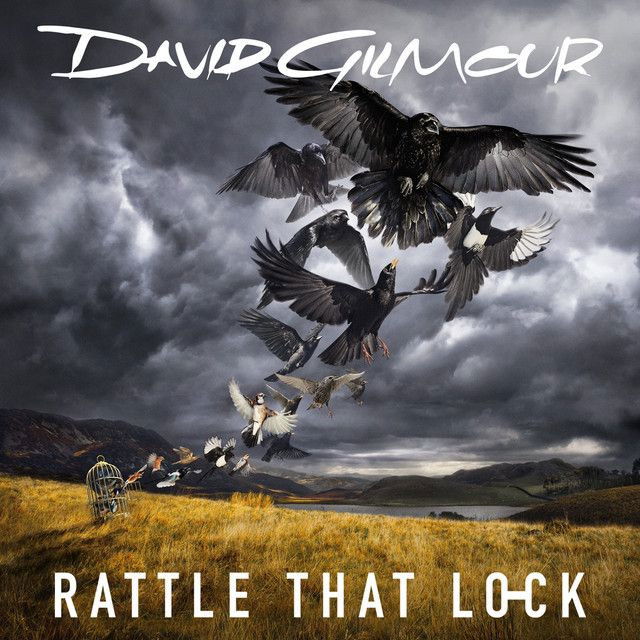
Rattle That Lock by David Gilmour
The meaning of Rattle That Lock David Gilmour starts with one simple idea: freedom. The song sounds like a call to break out of fear, guilt, and old patterns. Rather than dwelling on regret, it pushes forward with motion, release, and boldness.
"Rattle That Lock" - David Gilmour
Gotta do it
From the burning lake or the eastern gate
Loading lyrics...
Unable to load lyrics
We're unable to display the lyrics at this time. Please try again later.
Factually, the track was released as the lead single from Gilmour’s 2015 album Rattle That Lock, and the album itself arrived on September 18, 2015. According to the official album page, the song’s title idea grew from a French rail jingle Gilmour heard at a station. The lyrics, written with Polly Samson, were also shaped by Paradise Lost imagery, as noted in the album background.
A Freedom Song Hiding in Plain Sight
At its core, the song tells listeners to shake off what holds them back. The repeated hook, lose those chains
, makes that message plain. It is less about one specific prison and more about all the invisible ones: shame, hesitation, bad habits, and the weight of the past.
Interpretation: The title phrase works like a command. To “rattle” the lock is not to politely wait for change. It suggests testing the barrier, making noise, and refusing to stay trapped.
That is why the verses move with urgency. The opening idea, Whatever it takes to break
, frames freedom as effort, not luck. The song does not promise that escape is easy. It says it is necessary.

Watch the official Rattle That Lock
music video
The Voice of the Song: A Shared Breakout
One striking feature is the point of view. The lyrics often speak as let's go do it
and have it all our way
. That turns the song into a collective push instead of a private confession.
This matters because Gilmour does not present liberation as a lonely act. The speaker pulls another person, or maybe a whole crowd, into motion. The song feels like an invitation to cross a threshold together.
Interpretation: That shared voice gives the track warmth. It is not only rebellious. It is encouraging.
Chaos, Sin, and the Milton Shadow
The song’s stranger lines make more sense with context. Samson’s lyrics were reportedly based on Book II of Milton’s Paradise Lost, which helps explain references to sin, chaos, fallen figures, and gates. Those are not random fantasy details. They come from a literary world where rebellion, temptation, and freedom are tightly linked.
When the song says So long sin
and pairs it with farewell to chaos, it sounds like a rejection of inner disorder. But there is tension here. The track also loves risk, speed, and headlong movement. It is not preaching safe, tidy virtue.
Two plausible readings
- Escape from personal bondage: The chains are emotional or spiritual burdens.
- A Milton-style rebellion: The song borrows epic imagery to make freedom feel mythic and dangerous.
Both readings fit because the lyrics balance uplift with threat. There are travelers turning into phantoms, fallen angels in disguise, and a world suspended in uncertainty.
No discord, chance or rumour
Is going to interrupt this place
This brief moment sounds like a wish for mental clarity. After the noise of guilt and confusion, the speaker wants a protected space where doubt cannot break in.
How the Chorus Carries the Meaning
The chorus is simple on purpose. Repeating Rattle that lock
gives the song a ritual feeling, like a mantra for courage. Each return to the phrase strips the message down to action.
That repetition also mirrors the experience of trying to change. Most people do not free themselves in one dramatic moment. They keep pushing, keep testing, keep shaking the barrier until it gives way.
Interpretation: The hook may sound triumphant, but it also captures persistence. Freedom is something they must keep choosing.
Why the Music Feels So Open
The arrangement helps sell the song’s message. Gilmour and Phil Manzanera produced the album, and the track blends a bright rock pulse with layered vocals and polished guitar lines. The famous SNCF jingle becomes a clever musical seed: a tiny public sound transformed into a big personal statement.
The groove is steady and uplifting, not heavy or angry. That matters. A darker arrangement might have made the lyrics feel trapped in struggle. Instead, the music creates lift.
Backing voices from Mica Paris, Louise Marshall, and the Liberty Choir widen the chorus and make the song feel communal. Gilmour’s guitar does the same in another way. It does not crowd the lyric; it opens space around it.
Artist Context Changes the Song
For longtime listeners, this track arrived after decades of Gilmour being tied to Pink Floyd’s legacy. As the opening single from his fourth solo album, it had to introduce not just a record but a mindset. The album went to No. 1 in the UK and No. 5 on the Billboard 200, showing that the song connected beyond nostalgia.
That context adds another layer to the meaning of Rattle That Lock David Gilmour. The song can sound like an artist stepping out from history without denying it. The music carries familiar Gilmour traits, but the message is about motion, release, and present-tense life.
The Big Takeaway
So what is “Rattle That Lock” about? Most clearly, it is about breaking free. It urges movement away from guilt, confusion, and passivity, while using Milton-inspired images to make that struggle feel larger than ordinary life.
Interpretation: Its lasting appeal comes from the balance it strikes. The song is thoughtful but direct, literary but singable, and serious without sounding defeated. It tells listeners that the lock may be real, but it can still be shaken.
Disclaimer: This interpretation is based on the lyrics, confirmed song context, and critical analysis. As with any song, meaning can remain open to individual listeners.








