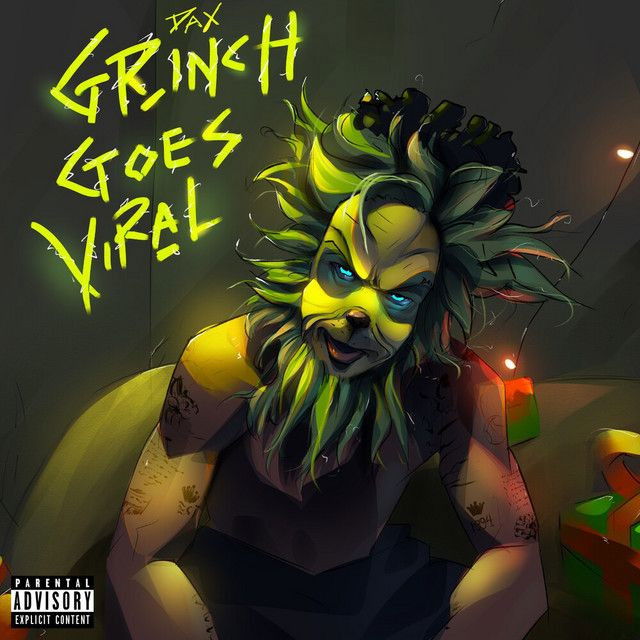
Why Dax’s Grinch Wants Fame So Bad
The meaning of GRINCH GOES VIRAL Dax is less about Christmas mischief and more about internet-age hunger. In this song, they turn the Grinch into a loud, bitter, fame-chasing narrator who thinks attention will fix everything. Instead, the track shows how the dream of relevance can become ugly, addictive, and self-destructive.
"GRINCH GOES VIRAL" - Dax
This year is gonna be different
I ain't gon let 'em destroy me and try to ruin Christmas
Loading lyrics...
Unable to load lyrics
We're unable to display the lyrics at this time. Please try again later.
Dax is known for high-concept rap songs and character-based storytelling on platforms like YouTube and Spotify. Here, they extend that approach by using one of pop culture’s most famous outsiders. The result is part comedy sketch, part rant, and part warning.
A Christmas Parody With a Darker Target
On the surface, the song sounds like a holiday sequel. The Grinch returns, talks trash, and tries to make himself relevant in a world built on clicks. But the deeper target is modern fame culture.
Early lines mock the need to package everything for maximum reach. The narrator wants something viral
, something catchy, marketable, and safe enough to spread. They joke about pleasing every audience, courting streamers and platforms, and turning pain into content. That is the first clue: this is a song about branding the self.
Interpretation: The Grinch is not just the cartoon villain here. They become a stand-in for the alienated artist, the online troll, and the wounded person who believes public attention will finally make them feel seen.

Watch the official GRINCH GOES VIRAL
music video
The Hook Turns Desire Into Obsession
The chorus idea is simple but sharp: they want to be known by everyone, everywhere, at any cost. What begins as ambition slowly sounds like compulsion.
Dax keeps raising the stakes of that fantasy. The narrator wants views, celebrity friends, political access, money, scandals, and worship. Yet the song also exposes the emptiness inside that dream. Near the end, the voice admits a wish to become so famous they lose perspective, peace, and even themselves.
That makes the repeated cry of I want to be viral
feel less triumphant than tragic. It is a mantra of craving, not fulfillment.
How the Verses Build a Satire of the Internet
One of the smartest things about the writing is its structure. Each section widens the attack:
- First, the narrator mocks holiday music, marketing, and platform logic.
- Then, they move into social media hypocrisy, influencer behavior, and sexualized attention.
- After that, the song turns personal, linking public resentment to old hurt.
- Finally, the fantasy of fame becomes monstrous.
That middle section matters most. The lyrics describe feeds full of performance, fake intimacy, and uneven rules. The narrator complains about moderation, clout-chasing, and transactional relationships. They sound ridiculous at times, but that is the point. Dax makes the speaker unreliable so listeners can laugh and still catch the criticism.
A good example is the constant swing between bragging and grievance. In one moment, the Grinch sounds invincible; in the next, they sound wounded and defensive. That split personality gives the song its tension.
The Pain Beneath the Punchlines
For all its jokes, the track keeps circling back to rejection. The character says the world made them into a villain, sold their image, and profited from their story. They insist they were damaged first.
That emotional pivot gives the song more weight than a simple holiday diss track. When the narrator says they are the victim
, the line is both self-serving and revealing. It shows how grievance can become identity.
So viral that I lose my mind
So viral that I can't hide
This is the article’s one brief multi-line quote because it captures the song’s real turn. The fantasy stops being funny. Fame is no longer a reward; it becomes a trap.
Interpretation: Dax appears to be showing how wounded ego can latch onto visibility as a cure. But the more the character wants attention, the more unstable they become.
Why the Grinch Mask Fits Dax’s Style
The song was written by Daniel Nwosu Jr., Dax’s full name, as provided in the supplied context. That matters because Dax often writes in a direct, theatrical style that mixes confession, outrage, and performance. Using the Grinch lets them exaggerate all three.
The character also carries built-in symbolism. The Grinch is green, isolated, and publicly misunderstood. Dax uses those traits to talk about outsider status, resentment, and commercialization. Even the joke about being born green
turns into a defense: the character frames difference itself as the original offense.
Sound, Flow, and Performance
Production details are not confirmed in the provided materials, so any technical credit would need outside sourcing. Still, the performance itself says a lot. The beat feels hard-edged and theatrical, built to support quick switches between humor and menace.
Dax’s delivery is central to the meaning of GRINCH GOES VIRAL Dax. They rap with clipped force, stacking punchlines and culture references at a fast pace. That crowded writing style mirrors the overload of the internet: too many images, too many opinions, too many desires at once.
The song also uses repetition well. By returning again and again to viral
, Dax makes the word sound hollow, then threatening. It shifts from a goal into a symptom.
The Big Takeaway
The meaning of GRINCH GOES VIRAL Dax is that fame, especially algorithmic fame, can look like a cure for loneliness while acting more like an amplifier for pain. The song satirizes the online world, but it also studies the person desperate enough to need that world’s approval.
In the end, the Grinch is funny, offensive, chaotic, and sad on purpose. They are not just trying to steal Christmas. They are trying to fill a void with attention, and Dax makes sure listeners hear how dangerous that bargain can be.
Disclaimer: This interpretation is based on the lyrics provided and publicly known artist context. Song meaning can remain open to different listener readings.









