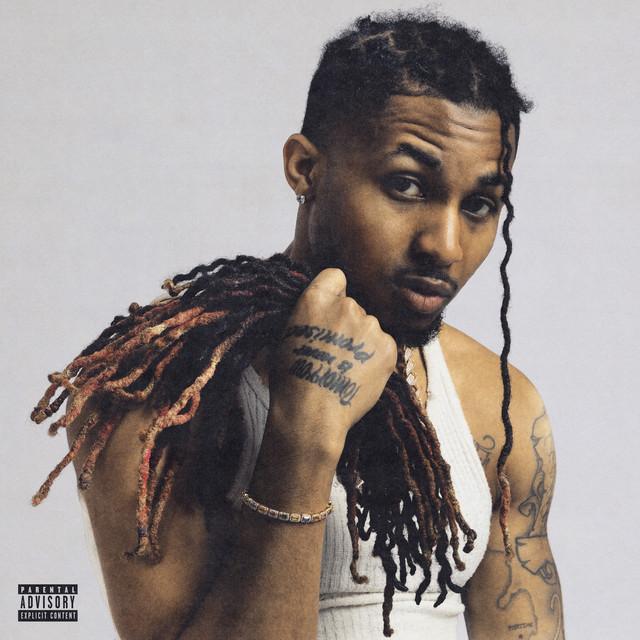
Why "pink dreads" Is Really About Image
The meaning of pink dreads DDG, PlaqueBoyMax comes down to a simple tension: success brings attention, but attention also brings fake people, pressure, and constant comparison. On the surface, the song is a flex-heavy rap track full of money talk, designer labels, and tough talk. Under that surface, it is also about guarding identity in a world where everyone performs for status.
"pink dreads" - DDG, PlaqueBoyMax
When I'm out of town, I be trippin', I be on one
Huh, why he takin' pictures in that Lamb'? He don't own one
Loading lyrics...
Unable to load lyrics
We're unable to display the lyrics at this time. Please try again later.
DDG is a rapper and internet personality who has long blended music with online fame, while PlaqueBoyMax is known for streaming and internet culture. That background matters because this song keeps returning to the gap between what looks real online and what is real in life. The writers listed for the track are Darryl Dwayne Granberry and Maxwell Dent, matching the artists’ legal names provided in the song credits.
A Hook Built on Restlessness
The chorus gives the clearest emotional signal. When they say they are out of town
and on one
, they are not describing peace or luxury. They are describing a wired, unstable state.
That repeated idea turns travel into a symbol of pressure. Being away, moving fast, and living publicly seem to make them more suspicious, not more relaxed. The hook then shifts into calling out people who fake wealth and fame, including someone posing with a luxury car they do not own.
Interpretation: the song’s real target is not just rivals. It is a whole culture of image-making.
Status Symbols Do the Storytelling
Much of the track is built from objects: Chrome Hearts shades, Balenciaga, a BMW, expensive trips, and a car with pink chairs
. These are not random name-drops. They work like shorthand for rank.
In rap, fashion and cars often show achievement. Here, though, they do more than celebrate wealth. They create a scoreboard. Every brand becomes proof that they have won, and every fake flex from someone else becomes proof that others are pretending.
That is why one of the sharpest lines mocks a person taking photos in a Lamborghini they do not own. Another dismisses someone claiming rap success without merit. The song keeps dividing the world into two camps:
- people who earned visibility
- people who stage visibility
That split is central to the meaning of pink dreads DDG, PlaqueBoyMax.
The Personal Edge Beneath the Boasts
For all its swagger, the song includes hints that success has social costs. One key line says they loved when I was poor
. Paraphrased, the idea is that people were comfortable with them before they became successful, but turned strange once money and fame arrived.
That is a common theme in modern rap, but it lands strongly here because it sits beside jokes, insults, and luxury details. The mix of humor and resentment makes the distrust feel lived-in.
There is also a family detail about protecting a son and another line about turning the child up before age one. Those moments show how pride and protectiveness sit beside the braggadocio. Even while they perform toughness, they frame success as something tied to family legacy.
Why the Pink Image Matters
The title points listeners toward the song’s most striking visual cue: pink hair
. Whether a listener imagines dyed dreads or dyed hair generally, the image matters because it is loud, memorable, and impossible to mistake.
Interpretation: pink stands for chosen visibility. It is not just style for style’s sake. In a song obsessed with being seen, judged, copied, and envied, bright hair becomes a symbol of turning the self into a brand.
The same goes for the pink interior in the car. That detail extends the image outward. Their identity is not only worn on the body; it shapes the world around them.
Sound, Delivery, and Competitive Energy
Even without full production notes, the performance style tells a lot. The beat tag at the top frames the track like a victory lap. The delivery is blunt, repetitive, and punchline-driven, which fits a song about dominance and clout.
The repeated chorus works almost like a chant. That structure reinforces the feeling of obsession: they keep circling back to fake people, public perception, and what changed after the glow-up. The flow is less about deep narrative than about stacking proof of status.
This matters because the production and vocal energy support the meaning. A smoother, more reflective performance would have changed the song entirely. Here, the sharp delivery makes paranoia sound like confidence.
Two Strong Readings of the Song
There are at least two useful ways to read it.
Reading One: A Pure Flex Record
On one level, the song is exactly what it sounds like: a boastful rap track about money, sex, style, and being above the competition. In that reading, the insults and threats are genre tools used to project power.
Reading Two: A Song About Fame Distortion
On another level, the track is about what fame does to trust. The repeated attacks on fake images, plus the line about people changing after the glow-up, suggest that success has made every social interaction feel suspect.
Both readings can be true at once. That overlap is what gives the song more substance than a simple list of flexes.
Final Take on the Track
The meaning of pink dreads DDG, PlaqueBoyMax is rooted in performance, status, and suspicion. DDG and PlaqueBoyMax use luxury details and sharp disses to show how success can feel powerful and isolating at the same time.
In the end, the song is less about one hairstyle than about becoming a visible target. The brighter the image, the more they feel they must defend what is real.
Disclaimer: This article offers interpretation based on the lyrics and publicly known artist context. Song meaning can vary from listener to listener.








