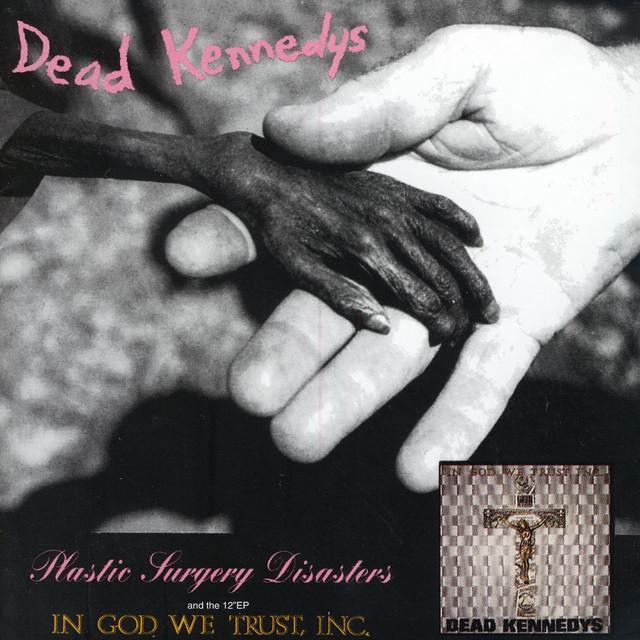
Buzzbomb by Dead Kennedys
Dead Kennedys rarely wrote simple character sketches. They preferred sharp satire, fast music, and ugly little truths about American life. In the meaning of Buzzbomb Dead Kennedys, they build one of their nastiest comic portraits: a driver who treats the car as lover, status symbol, and escape hatch all at once.
"Buzzbomb" - Dead Kennedys
The road's my slave, that's how I feel
I cruise alone, I cruise real far
Loading lyrics...
Unable to load lyrics
We're unable to display the lyrics at this time. Please try again later.
Rather than celebrate the open road, the song tears into the fantasy behind it. The narrator sounds proud, but the band makes that pride look hollow, lonely, and dangerous.
The Open Road as a Trap
At first, the song presents motion as power. The driver boasts that the road's my slave
, which frames driving as domination rather than simple travel. They are not chasing scenery or joy. They are chasing the feeling of being in control.
That is the key to the song. Interpretation: the car is less a machine than a substitute identity. When the narrator says I love my car
, the line lands as both joke and confession. They cannot build a stable human bond, so they invest all that need into chrome, speed, and noise.
The setting matters too. The lyrics place the character in huge Western spaces, including Nevada highways with almost nobody around. That emptiness should feel freeing, but here it feels bleak. The wider the landscape gets, the smaller the narrator seems.
Watch the official Buzzbomb
music video
A Punk Satire of American Machismo
Dead Kennedys built their reputation on political punk that mocked power, conformity, and cultural ugliness. They emerged from the Bay Area hardcore scene in the late 1970s, with Jello Biafra especially known for singing through exaggerated personas and social caricatures, as documented in standard band histories and archival label material. That larger context helps explain why “Buzzbomb” sounds so mean and cartoonish.
This is not a diary entry. It is performance.
The Character They Create
The song presents a macho figure who thinks speed makes them important. They save money not to improve their life, but to fund more driving and more distance from home. That detail is crucial. The car is not only pleasure; it is avoidance.
Interpretation: the song targets a specific kind of American masculinity, one built on machines, bragging, and emotional vacancy. The narrator wants the “perfect chick” who will admire the vehicle first. Even romance becomes part of the car fantasy.
How the Lyrics Move From Pride to Breakdown
The song works because its plot keeps getting uglier. In simple terms, the action unfolds like this:
- The narrator announces total devotion to the car.
- They race through empty highways and roadside spaces.
- Their fantasy expands into sexual boasting and social status.
- Violence and chaos creep in around the edges.
- Police close in, and the dream ends in a cornered defeat.
That arc gives the song its bite. Early lines sound triumphant, but later images undercut the pose. One of the best examples is king of the trailer court
. On the surface, it sounds proud. In practice, it shrinks the narrator’s supposed grandeur into a sad local kingdom.
The ending matters most. The driver who wanted endless movement winds up trapped, with the police damaging the very object they worship. Interpretation: the final scene shows the fantasy consuming itself. If the car is the self, then the self is being ripped apart in public.
Desire, Loneliness, and Delusion
Under the jokes, “Buzzbomb” is deeply lonely. The narrator cruises alone and fills that silence with fantasy. They imagine admiration, sexual attention, and power, but none of it feels real.
A short moment around imagined intimacy reveals that gap. The song suggests the narrator explains why they are cool, then hears exactly what they want back. That is not a relationship. It is ventriloquism. They are basically talking to themselves.
Buzzbomb Buzzbomb, macho-mobile
Faster, faster in my car
Even in this brief hook, the song fuses masculinity and machinery. The repeated title sounds like a nickname, a battle cry, and a childish toy all at once. That mix is important: the tough-guy pose keeps collapsing into immaturity.
Why the Sound Feels So Reckless
The production and arrangement reinforce the lyric’s ugly humor. “Buzzbomb” moves with the clipped speed and attack expected from early hardcore punk: fast drums, jagged guitar, and a vocal delivery that sounds half-sneer, half-meltdown. The tempo gives the same rush the narrator craves, but the rough edges stop it from feeling noble.
Interpretation: the music lets listeners feel the seduction of speed while exposing its stupidity. They hear the thrill, but they also hear panic. That tension is why the song works so well.
The guitar tone especially matters. It does not glide like classic road music. It slashes. That choice keeps the song far away from romantic highway mythology and closer to satire, danger, and collapse.
Final Take on the Meaning of Buzzbomb Dead Kennedys
The meaning of Buzzbomb Dead Kennedys is not that cars are freedom. It is that freedom can become a cheap personal myth when someone uses speed, noise, and style to avoid emptiness. The narrator thinks the car gives them power, sex appeal, and purpose. The song shows a person stuck inside a fantasy that gets meaner and sadder the longer it runs.
That is why “Buzzbomb” still hits. It is funny, ugly, and sharply observant about how consumer objects can become emotional replacements.
Disclaimer: This interpretation is based on the song’s lyrics, performance style, and Dead Kennedys’ broader artistic context. As with most satire, listeners may reasonably hear different shades of meaning.







