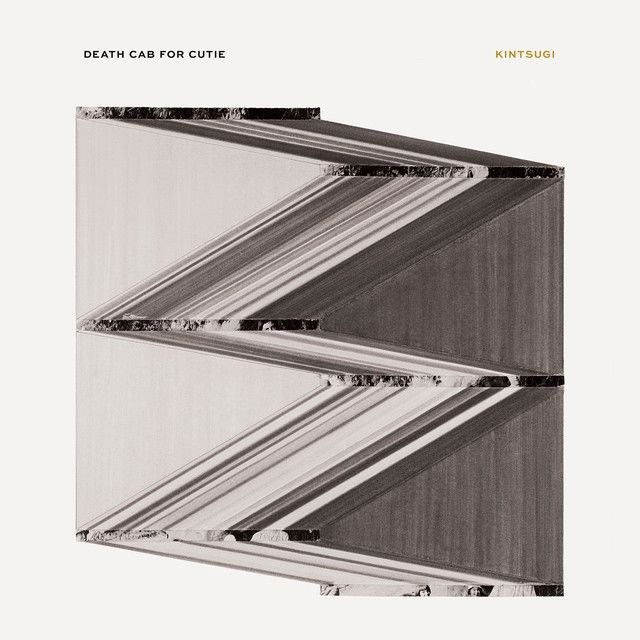
Black Sun by Death Cab for Cutie
Why This Song Feels Beautiful and Unsettling
The meaning of Black Sun Death Cab for Cutie starts with a contradiction: the song sounds controlled and even elegant, but its images are full of damage, fear, and emotional fallout. Released on January 26, 2015, as the lead single from Kintsugi, it arrived during a major transition period for the band, with guitarist Chris Walla leaving before the album’s release. Factually, it was written by Ben Gibbard and produced by Rich Costey with the band.
"Black Sun" - Death Cab for Cutie
And there is death upon the vine
There is fear in the eyes of your father
Loading lyrics...
Unable to load lyrics
We're unable to display the lyrics at this time. Please try again later.
At its core, the song explores how something attractive, important, or central can also become destructive. That is the force behind the title image. A sun usually gives life and clarity. A black sun suggests the opposite: a powerful presence that should nourish, but instead darkens everything around it.

Watch the official Black Sun
music video
The Central Idea Behind the Lyrics
A world where opposites live together
The verses are built from paired images. They move between poison and beauty, hope and failure, forgiveness and bitterness. Early lines like whisky in the water
and death upon the vine
paint a world where basic sources of life are tainted. Water and fruit should sustain people; here, they carry danger.
That pattern matters. The song is not only describing one bad event. It is describing a whole emotional climate where everything feels mixed up. Even good things are shadowed by loss.
Interpretation: They can hear the speaker trying to make sense of a relationship, a personal collapse, or even a larger spiritual crisis. The lyrics never lock into one clear plot, and that openness is part of their strength.
Who the Song Seems to Address
The chorus points the song toward a specific “you.” The key emotional question is how something lovely could become cruel. The short hook so fair
versus so cruel
frames the entire song as an argument with contradiction.
How could something so fair
Be so cruel
When this black sun revolved
Around you!
Paraphrased, the speaker is stunned that a person or force that seemed bright and beautiful ended up causing pain. The phrase around you
suggests orbit and gravity. Someone has become the center of a private universe, and that center is now dark.
Interpretation: They may be addressing a former partner, but the image also works for fame, depression, self-absorption, or any intense bond that warps perspective.
Verse Images That Build the Meaning
Several lines deepen the sense of broken order. The phrase fear in the eyes
gives the song a family or generational dimension. This is not just private heartbreak; fear has spread into the home and into inheritance.
Later, Gibbard balances bleakness with a search for wisdom. He suggests that answers can hide inside doubt, and that there can be growth in failure. One of the song’s strongest ideas is that ruin does not cancel meaning. In fact, meaning may be easier to find after plans collapse.
That is why the image of discarded plans hits so hard. The song pictures abandoned hopes as if they were trash left outside. It is a plain, almost ugly image, and it cuts through the song’s more poetic language.
How the Sound Carries the Message
Musically, “Black Sun” supports the lyric’s tension between beauty and dread. Reviews at the time described it as a somber mid-tempo track with a simple guitar figure, steady drums, and dark synth layers washing over the chorus. That matters because the arrangement never explodes into chaos. Instead, it keeps the pain contained.
That restraint gives the song weight. The beat feels persistent, almost mechanical, while the synths create a heavy atmosphere. Gibbard’s vocal delivery also helps. Rather than leaning on a brighter indie-rock tone, he sings in a more grounded, plain style, which makes the song feel older, wearier, and more direct.
In other words, the production mirrors the lyric’s idea of a dark force with its own gravity. The music circles the chorus the way the chorus describes orbit.
Artist Context Changes the Reading
“Black Sun” was the lead single from Kintsugi, Death Cab for Cutie’s eighth studio album. It also arrived after the mixed reception of Codes and Keys and around the time of lineup change within the band. In that context, some listeners heard the song as more than a relationship piece.
Interpretation: They may hear it as a song about disillusionment inside a long creative life. When Gibbard sings about hope, failure, and unfinished songs, it can sound like an artist taking stock of what remains after plans come apart.
That reading fits the album title too. Kintsugi is the Japanese art of repairing broken pottery with gold, highlighting cracks rather than hiding them. Even without forcing the entire song into that concept, “Black Sun” clearly shares its interest in damage, survival, and uneasy beauty.
Reception and Why the Song Connected
Critics were not fully united on the track, but many agreed it worked as a mood piece and a strong setup for the album. Commercially, it also performed well on rock and alternative radio, reaching the top five on Billboard’s Rock & Alternative Airplay chart.
That response makes sense. The song is specific enough to feel vivid, but open enough for many listeners to enter. A person dealing with heartbreak can find that story here. So can someone facing burnout, depression, or the collapse of an old identity.
The Best Way to Read “Black Sun”
The meaning of Black Sun Death Cab for Cutie is less about one event than one pattern: the shock of realizing that what once seemed life-giving has become harmful. The song keeps asking how beauty and damage can exist in the same place.
Its answer is not neat. There is still hope in the lyric, and even a hint that forgiveness exists, but the speaker cannot fully reach it yet. That tension is what gives the song its staying power.
Interpretation disclaimer: This reading separates factual details from interpretation. Because the lyrics are deliberately open-ended, different listeners may connect the song to romance, depression, artistic change, or another form of loss.








