No Room in Frame by Death Cab for Cutie
A breakup song about distance, memory, and being edged out
The meaning of No Room in Frame Death Cab for Cutie starts with a painful question: what does a breakup feel like when one person seems to move into the spotlight and the other feels left outside the picture?
"No Room in Frame" - Death Cab for Cutie
There's too many things that I can't remember
As I disappeared like a trend
Loading lyrics...
Unable to load lyrics
We're unable to display the lyrics at this time. Please try again later.
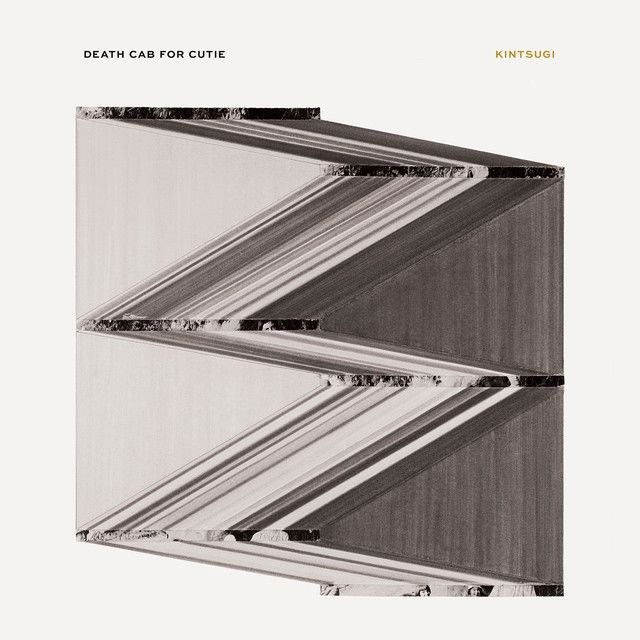
As the opener to Kintsugi, the song presents a speaker driving through California, replaying a failed relationship and wondering whether there was ever space for both people to thrive together. The emotional center is not rage. It is resignation, self-doubt, and the slow realization that love may have been crowded out by fame, image, or incompatible lives.
Factually, the song appears on Kintsugi (2015), an album widely discussed as a more personal record for the band after the emotional distance of Codes and Keys. In an A.V. Club review, Ryan Reed described the album as a return to Ben Gibbard's confessional voice. That context matters because this track sounds like someone reopening a wound they had tried to drive away from.

Watch the official No Room in Frame
music video
The chorus frames the whole story
The key line is the title phrase, no room in frame
. Before and after that phrase, the song suggests a relationship where attention has shifted. The speaker asks if they were in your way
when the cameras turned toward the other person. Paraphrased, the fear is simple: maybe the relationship failed because one life became too public, too image-driven, or too centered on one person.
Interpretation: The “frame” works in two ways at once:
- a literal camera frame, where only one subject gets centered
- a metaphorical life frame, where there is not enough emotional space for two people
That double meaning gives the chorus its sting. It is about visibility, but also exclusion. The speaker is not only heartbroken; they feel edited out.
A road song that keeps circling the past
The verses move through highways, valleys, and the California coast. That travel imagery makes the song feel active, but the emotion is stuck. They are moving physically while staying trapped mentally.
The opening idea, I don't know where to begin
, tells readers that memory is fragmented. The speaker cannot build a neat story from the wreckage. Soon, they describe disappearing like a trend
, which adds a bitter, modern edge. Trends fade when attention shifts. In that comparison, the speaker feels temporary, replaceable, and culturally discarded.
The drive north and south through familiar places suggests that geography holds emotional memory. Roads become archives. Even if the speaker wants distance, the landscape brings everything back.
The ghost image matters
One of the song's strongest ideas is that you cannot outrun a ghost
. In plain terms, the past keeps pace with the speaker. They can change lanes, leave town, and keep driving, but the old relationship still rides with them.
Interpretation: The ghost may be:
- the former partner,
- the shared past,
- or the speaker's own unresolved guilt.
The song does not force one answer. That ambiguity makes it feel true to real heartbreak, where regret and memory blur together.
Rain, sun, and the feeling of emotional mismatch
The bridge turns from travel images to weather. The speaker wonders how they can remain in the sun when rain runs through their veins. That idea paraphrases an inner mismatch: the outside world may look bright, but inwardly they are still saturated with grief.
Here is the song's only short multi-line lyric quote, which captures that contrast:
How can I stay
In the sun
When the rain flows
All through my veins
This moment widens the song beyond celebrity or one specific breakup. It becomes about carrying sadness inside the body. Sunshine is not enough when the emotional climate has already changed.
The ending is mature, but not comforting
One of the sharpest lines arrives near the end, when the speaker accepts that the breakup may not have been preventable and that both people will get lonely with someone else. That is a bleak kind of wisdom.
Instead of promising healing, the song suggests repetition. People move on, but they may carry the same loneliness into new relationships. That makes “No Room in Frame” sadder than a simple breakup anthem. It is not just mourning one love; it is mourning the patterns that survive after love ends.
How the sound carries the meaning
Musically, the track fits Kintsugi's blend of intimacy and polish. The album was produced by Rich Costey, whose work often favors atmosphere, layered texture, and clean emotional focus. On Kintsugi, Death Cab for Cutie continued the more electronic direction of Codes and Keys, but with a warmer and more vulnerable core.
That matters here. The production does not explode with anger. Instead, it glides. The steady rhythm feels like highway motion, while the guitars and synth textures create a reflective, slightly distant sheen. The result mirrors the lyric tension: the speaker is close to pain, yet looking at it through glass.
Gibbard's vocal delivery also helps. They do not oversing these lines. The restraint makes the self-questioning feel more believable. It sounds like someone trying to stay composed while admitting they still hurt.
Artist context shapes, but does not limit, the song
Because Kintsugi arrived after Gibbard's divorce from Zooey Deschanel, many listeners connected the song to that chapter of his life. That biographical reading is understandable, and critics often noted the album's renewed heartache.
Still, it is best to treat that as context rather than a final answer. Interpretation: Even if real-life events informed the writing, the song works because it captures a common breakup fear: that one person's world got bigger while the relationship got smaller.
Why this song still lands
What keeps the song powerful is its balance of specific and universal details. California highways, cameras, ghosts, and weather all point to one feeling: being unable to fit into a shared future anymore.
The meaning of No Room in Frame Death Cab for Cutie is ultimately about realizing that love can fail not only from betrayal or drama, but from misalignment, memory, and the painful sense of being pushed out of the shot.
Disclaimer: This interpretation is based on the lyrics, musical context, and public commentary, but song meaning can remain personal and open to more than one reading.








