Why 'Ghosts of Beverly Drive' Still Lingers
The meaning of The Ghosts of Beverly Drive Death Cab for Cutie comes from a tension the band knows well: movement without peace. The song races forward, but its narrator is emotionally stuck, circling old pain, old places, and old habits. On the surface, it sounds like a sleek indie-rock drive through Los Angeles. Underneath, it feels like a confession about damage that never fully healed.
"The Ghosts of Beverly Drive" - Death Cab for Cutie
For with that grand collision came a grave consequence
Receptors overloaded, they burst and disconnect
Loading lyrics...
Unable to load lyrics
We're unable to display the lyrics at this time. Please try again later.
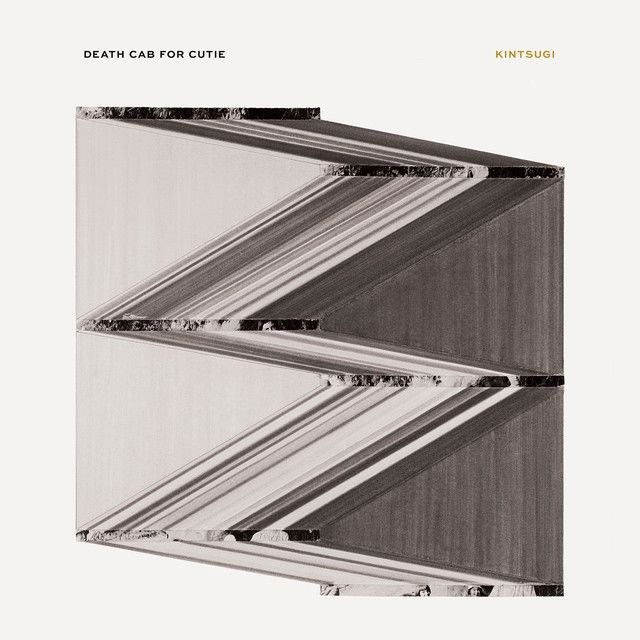
Released on Kintsugi in 2015, the track came from a period when Death Cab for Cutie were making a more active, guitar-led record after internal changes in the band. Ben Gibbard wrote the song, and its nervous energy fits the album’s larger themes of fracture and repair. The album title itself refers to the Japanese art of mending broken pottery, a useful frame for this song’s bruised self-awareness.
A Fast Song About Emotional Ruins
At its core, the song is about returning to places linked to hurt. The narrator admits they keep going back to the scenes of these crimes
, even though they do not expect healing there. That phrase suggests guilt, memory, and self-investigation all at once. These are not literal crime scenes so much as emotional ones.
Early lines describe a person changed by some unnamed accident
or collision. In plain terms, the speaker says they were different before a major break. Whether that break was a failed relationship, a mental health collapse, or a broader life shock is left open.
Interpretation: the song treats trauma as something that scrambles feeling. When the lyric says the senses overload and burst and disconnect
, it paints numbness as the result of too much impact. The speaker is not asking to be loved as whole; they are asking someone to work with what is left
.
Watch the official The Ghosts of Beverly Drive
music video
The Relationship at the Center Feels Uneven
The song also sounds like a negotiation between two damaged people. The narrator pushes back against being idealized, basically saying: do not romanticize this; there are no innocent beginnings here. That makes the song more mature than a simple breakup track.
One of its sharpest images compares a partner to a wave and the self to a skyline. The idea is clear even without quoting much: love can look grand from a distance, but intimacy can also level what seemed solid. The line about being reduced me to rubble
turns romance into demolition.
Needs, Wants, and Mutual Contradictions
Midway through, the song becomes almost conversational. One person wants authority without openness; the other wants success without surrender. Those oppositions make the relationship feel trapped between desire and fear.
So let us not be lonesome
Lost in between our needs and wants
This is the song’s clearest plea. It suggests that loneliness is not just being alone. It is being stuck between what people crave and what they refuse to give.
Why Beverly Drive Matters So Much
Beverly Drive is both a real place and a symbolic setting. In the song, its winding hedges and polished surfaces represent a world where image hides emptiness. The line about news being second-hand suggests gossip, distance, and a life filtered through status and performance.
Interpretation: the “ghosts” are memories, former selves, failed relationships, and social illusions that still haunt these streets. The song does not need supernatural ghosts. Its ghosts are the things success and beauty cannot erase.
That is why the repeated I don't know why
matters. The speaker cannot fully explain their own return to this landscape. But many listeners will recognize the impulse: people revisit old neighborhoods, old messages, or old relationships not because they expect answers, but because pain leaves a map.
How the Sound Carries the Message
Musically, this is one of the most urgent songs on Kintsugi. The bright guitars and fast tempo create a sense of momentum, almost like freeway motion. Yet Gibbard sings with restraint rather than release, which keeps the song emotionally tight.
That contrast is important. If the arrangement is the drive, the vocal is the haunting. The band gives the song lift and speed, but the lyric keeps pulling back toward fixation and doubt. The result is a track that feels alive on the outside and unsettled within.
This is also part of Death Cab for Cutie’s larger style. They often pair clean melodic writing with words about isolation, memory, and fragile connection. Here, that formula works especially well because Beverly Hills imagery can easily sound glamorous; the music gives it shine while the lyric exposes its emptiness.
Two Strong Readings of the Song
There are at least two useful ways to hear it:
- Personal reading: it is about emotional damage after a breakup or life-altering event.
- Cultural reading: it critiques Los Angeles surfaces, ambition, and social emptiness.
The strongest interpretation is probably a blend of both. The outer landscape mirrors the inner one. The polished streets, hedges, and routines reflect a person trying to function while feeling spiritually wrecked.
Why the Song Endures
The meaning of The Ghosts of Beverly Drive Death Cab for Cutie lasts because it captures a common habit: going back to what hurt them, even when they know it will not save them. It is a song about memory as a route people keep driving.
Death Cab for Cutie turn that cycle into something vivid, restless, and sadly familiar. The ghosts are not behind them. They are riding along.
Disclaimer: This article offers interpretation based on the lyrics, musical choices, and known artist context. As with any song, meaning can vary from listener to listener.








