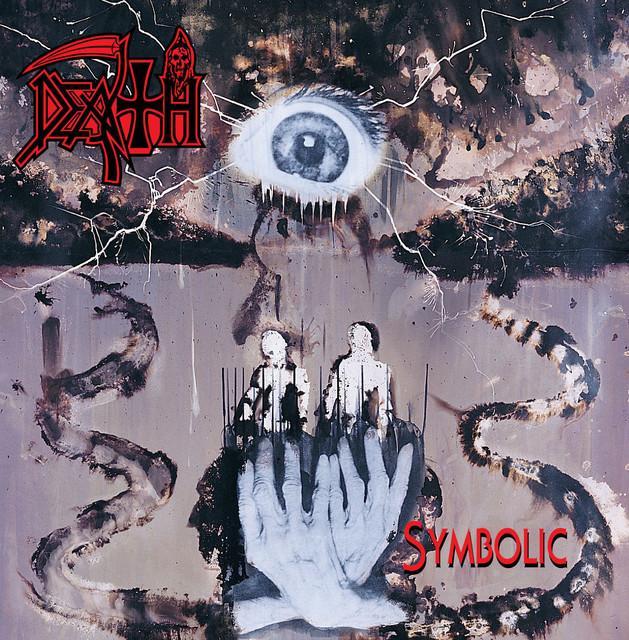
Symbolic by Death: innocence turned into memory
The meaning of Symbolic Death centers on a painful truth: people often understand the value of innocence only after it has started to disappear. Rather than focusing on horror or literal death, this song turns inward. It looks at memory, emotional change, and the loss of a simpler self.
"Symbolic" - Death
But I can't help myself
When I feel the vibe
Loading lyrics...
Unable to load lyrics
We're unable to display the lyrics at this time. Please try again later.
Death released Symbolic in 1995, with Chuck Schuldiner as the band’s songwriter and creative force. The title track sits at the heart of that album’s reflective side, showing how the band could pair technical metal with deeply human writing. Factually, the song was written by Chuck Schuldiner and appears on Death’s album Symbolic.
More Than Death Metal, Less Than Simple Nostalgia
At first glance, the title may sound like it points to abstract philosophy or even images of mortality. In culture, “symbols of death” often include skulls, clocks, candles, or other reminders that life passes quickly. That broader tradition matters here because the song also treats time as a force people notice too late.
But this track is not really about graveyard imagery. It is about emotional mortality: the death of innocence, the fading of childhood certainty, and the shock of realizing change happened quietly.
One of the key ideas appears when the narrator recalls a memory and feels pulled back by taste a memory
. That phrase connects the senses to the past. Memory is not shown as a distant thought; it feels physical, almost immediate.
Watch the official Symbolic
music video
How the Lyrics Build the Song’s Core Meaning
The verses move in a clear emotional pattern. First, the speaker slips inward, revisiting earlier life. Then they question when everything changed. Finally, they warn the listener to value today before it becomes tomorrow’s lost treasure.
This is why the song’s repeated return to precious memories
matters so much. The lyrics do not treat the past as perfect. Instead, they show memory as evidence of what once felt permanent.
The “fix” of innocence
One of the song’s strongest lines compares innocence to something addictive, using the phrase a fix called innocence
. Paraphrased, the idea is that once people have lost a pure and unguarded way of seeing life, they may keep chasing it in memory.
That is a striking metaphor because it avoids sentimentality. Innocence is not framed as childish weakness. It is framed as a powerful state of being that gave life intensity and meaning.
The change no one sees coming
The song asks when the shift began, then says the coming change was hard to detect. That detail is central to the meaning of Symbolic Death. The loss here is gradual, not dramatic.
In other words, people do not always notice the end of an era while they are living it. They notice later, when the “open wounds” of adulthood expose what mattered.
Why “Symbolic Acts” Matter So Much
The title phrase becomes clearer when the chorus describes Symbolic acts, so vivid
yet also invisible. Interpretation: this suggests that the biggest moments in life may not look important at the time. They become symbolic only in hindsight.
That idea is reinforced by the song’s direct advice to pay attention now:
Savor what you feel and what you see
Things that may not seem important now
But may be tomorrow
This is the song’s emotional thesis. It tells listeners that ordinary experiences can later become anchors of identity. A casual day, a hero, a feeling, or a shared moment may become the thing they return to when life grows harder.
Heroes, Time, and the Freeze of Memory
Another important section remembers a period when things felt eternal and heroes felt real. The line about their magic being frozen in time suggests that memory preserves meaning even when life keeps moving.
Interpretation: “heroes” can mean literal role models, but they can also stand for childhood beliefs, idols, or ideals that once gave the world shape. As people mature, those certainties fade. What remains is the symbolic power they held.
That is where the title Symbolic earns its depth. The song argues that memory transforms people and moments into symbols. They stop being just events; they become signs of what someone has lost, learned, or outgrown.
How the Sound Carries the Message
Death was a death metal band, but this song is unusually melodic and spacious within that framework. The guitars move with precision, yet the song does not feel cold. Its riffs have weight, while the lead work adds a reflective pull.
Schuldiner’s vocal delivery also matters. They do not sing these lines in a soft, nostalgic style. The harsh voice creates tension between tenderness and force. That contrast makes the message stronger: innocence is precious, but losing it hurts.
The arrangement supports that feeling too. The band shifts between drive and lift, which mirrors the lyrics’ motion between reflection and warning. Instead of drowning the song in chaos, the production lets the emotional clarity come through.
Final Take on the Meaning of Symbolic Death
In the end, the meaning of Symbolic Death is about how people discover the worth of innocence after time changes them. The song sees memory as both comfort and wound. It offers nostalgia, but it also offers instruction: hold on, pay attention, and do not assume meaningful things will announce themselves.
That is why the song still connects. Beneath the metal surface, it speaks a common human language about growing up, losing certainty, and realizing too late which moments shaped a life.
Disclaimer: This interpretation is based on the lyrics, the song’s musical presentation, and widely known context around Death and Chuck Schuldiner. Like any art, the song can support more than one valid reading.







