Why 'Foolish Beat' Still Hurts
The meaning of Foolish Beat Debbie Gibson comes down to one painful idea: a breakup caused by a mistake that cannot be undone. The song turns young heartbreak into something larger and more lasting. Instead of blaming the other person, it puts the pain on the narrator, who knows they acted too late and now has to live with that loss.
"Foolish Beat" - Debbie Gibson
There was a time when
Broken hearts and broken dreams
Loading lyrics...
Unable to load lyrics
We're unable to display the lyrics at this time. Please try again later.
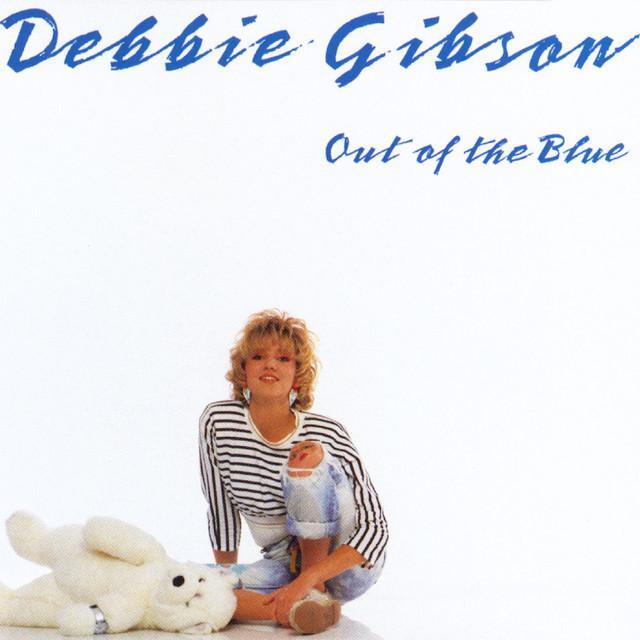
Released as the fourth single from Out of the Blue in 1988, the song became Debbie Gibson’s first No. 1 on the US Billboard Hot 100. It also made her, at 17, the youngest female artist to write, produce, and perform a No. 1 single entirely on her own, according to Wikipedia and Songfacts. That matters because the song’s emotional directness is tied to Gibson’s unusual level of control over it.
A breakup song built on regret
At its core, “Foolish Beat” is not just about sadness. It is about realizing that love was real only after it was damaged. Early in the song, the world seems split into a past where hope existed and a present where it does not. The line about wishing on a clover creates a fairy-tale image, then the song breaks that image apart.
That shift leads to the song’s real wound: the relationship did not collapse because love was fake. It collapsed because the narrator made a wrong move and understood it too late. When they admit there was no reason
, the confession feels brutal. There is no villain, no excuse, and no neat lesson—just remorse.

Watch the official Foolish Beat
music video
Who is speaking in the lyrics?
The narrative voice is first person, and that matters. The song keeps everything close to the speaker’s feelings, especially in the repeated claim I could never love again
. Whether listeners take that literally or not, the emotion is clear: this is how first heartbreak often sounds, absolute and overwhelming.
Interpretation: The speaker may not truly mean that love is impossible forever. More likely, they mean that this loss has changed the way they understand love. In other words, the breakup has ended innocence as much as it ended the relationship.
The title says more than it first seems
The title phrase foolish beat of my heart
is the song’s key symbol. It suggests that the heart can be impulsive, proud, or badly timed. Rather than treating emotion as wise and pure, the song shows emotion as capable of making mistakes.
That is one reason the song still feels relatable. Many breakup songs say love failed because the other person was cruel or distant. “Foolish Beat” says something harder: people can hurt the person they love through confusion, fear, or immaturity. That makes the song less dramatic but more human.
How the chorus deepens the pain
The chorus works because it circles back to the same emotional shock. The narrator remembers the goodbye, especially the look in your eyes
, and that memory keeps the breakup alive. This is not heartbreak in the abstract. It is heartbreak attached to one face, one moment, one expression.
There is also a contrast between what the narrator says and what they can do. They claim they cannot love again, yet the song itself proves how deeply they still feel. The words are final, but the singing is full of longing. That tension makes the chorus believable.
Can't you see I'm not fooling nobody?
Don't you see the tears
This brief moment is important because it strips away pride. The narrator is no longer trying to appear strong. They admit the pain is visible, and that honesty gives the song its emotional center.
Why the sound matters so much
Critics at the time noticed that Gibson slowed things down here. Cash Box called it a “heartfelt ballad” that “builds and emotes,” while Music & Media described it as moody and sophisticated, as summarized by Wikipedia. That description fits the arrangement.
The production leaves room for the vocal. Soft keyboards, restrained percussion, and a steady tempo keep the song from becoming melodramatic. Instead, it unfolds carefully, letting regret sink in line by line. Because Gibson produced it herself, the clean arrangement feels purposeful: nothing distracts from the confession.
This also marks a shift from the brighter energy of her earlier hits. Songfacts notes that the song is more emotionally complex than her first few singles. That added seriousness likely helped it stand out.
Debbie Gibson’s age changes the meaning—but not how some expect
One fascinating part of the meaning of Foolish Beat Debbie Gibson is that Gibson later said the lyrics were simple enough for listeners to fill in with their own experience. In a 2013 Billboard interview quoted by Songfacts, she said she was “guessing what love would be like” when she wrote it, and later life gave the words more depth.
That does not weaken the song. It strengthens it. The song captures how young heartbreak feels before life teaches nuance. Its plain language is exactly why people keep bringing their own memories to it.
A lasting reading of the song
Interpretation: “Foolish Beat” is about the end of innocence as much as the end of a romance. The real loss is not only the partner. It is the belief that love can survive careless choices.
That is why the song endures. It is simple, but not shallow. It understands that regret can be louder than anger and that sometimes the hardest breakup is the one a person knows they helped create.
Disclaimer: This interpretation is based on the released lyrics, recording, and documented artist commentary. Like most songs, “Foolish Beat” can support more than one reading.








