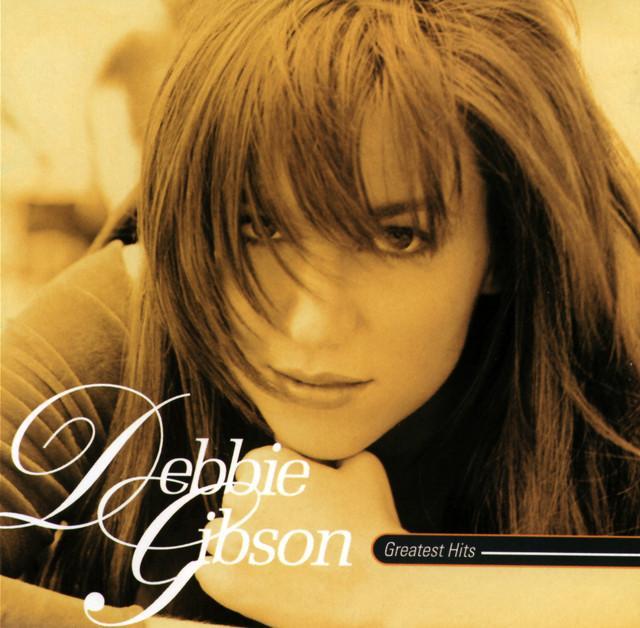
Only in My Dreams by Debbie Gibson
Why This Early Pop Hit Still Connects
The meaning of Only in My Dreams Debbie Gibson comes down to a simple but powerful feeling: they are stuck between freedom and regret. The song’s speaker thinks they have moved on, then realizes the past relationship still has a strong hold. What felt finished is not really gone. It survives in memory, fantasy, and sleep.
"Only in My Dreams" - Debbie Gibson
I remember how it used to be
And I realized how much I miss you
Loading lyrics...
Unable to load lyrics
We're unable to display the lyrics at this time. Please try again later.
That is why the title matters so much. When the chorus lands on only in my dreams
, it turns the whole song into a story about emotional leftovers. The relationship is gone in real life, but it still feels alive in the mind.
Gibson wrote the song herself, an impressive fact for such a young artist, and it became an early signature hit from her debut era, later included on Out of the Blue. That context matters because the song already shows the mix that defined her appeal: teenage honesty, strong hooks, and real control over her material.

Watch the official Only in My Dreams
music video
A Breakup Song About Confused Freedom
At first, the speaker sounds reflective rather than dramatic. They remember old secrets, old habits, and the way things used to be
. That phrase is important because it shows the past has been polished by memory. They are not just recalling events. They are replaying a version of the relationship that now seems precious.
Then the emotional twist arrives. The speaker says they know how it feels to be free
, but the line does not sound triumphant. Freedom is real, yet it does not bring peace. Instead, it seems tied to loneliness, guilt, and second thoughts.
This is the core tension of the song: they wanted distance, but distance did not heal them. They may even have made mistakes after the breakup. When the lyric hints they are up to no good
, it suggests restlessness and self-awareness. They know they are drifting, and they know the old relationship still shapes them.
How the Verses Build the Story
From memory to regret
The verses move in a clear emotional sequence:
- They remember the relationship.
- They realize they miss the other person.
- They try to frame separation as freedom.
- They admit that this freedom feels empty.
- They retreat into dreams, where the bond still seems real.
That movement gives the song its emotional force. It is not just sadness. It is the slow collapse of a story they had told themselves about being fine.
A strong example comes when the singer suggests their world starts to come tumbling down
. This image is simple, but effective. It shows that the breakup is no longer an idea they can manage. It has become a full emotional crash.
Wanting closeness and conflict at once
One of the most human parts of the lyric is that the speaker does not only want romance back. They want closeness in all its forms, even tension. They imagine holding the person again, but also correcting or confronting them.
If I only once could hold you
And remember how it used to be
This brief moment shows that intimacy is not pictured as perfect. The speaker misses the whole relationship, not just the pleasant pieces. That makes the song feel more believable.
What the Chorus Really Means
The chorus is catchy, but it is also sad. The line as real as it may seem
explains the emotional trap. Dreams feel true while they last. Memory can feel true too. But the chorus keeps bringing the speaker back to the same hard fact: the reunion exists only in the imagination.
Interpretation: The chorus is not just about literal sleep. It can also mean daydreaming, denial, and replaying the past until it feels almost present. In that reading, the song is about refusing to accept the full finality of a breakup.
Another reading is softer. The dream space may be the only safe place left for unresolved love. In real life, the relationship is over. In dreams, they can still test old feelings without consequences.
How the Bright Production Changes the Message
One reason the song lasts is its contrast between sound and subject. Musically, it is polished late-1980s pop: upbeat tempo, shiny synths, crisp drums, and a buoyant melody. Debbie Gibson also co-produced much of her early work, and the single is tied to the self-directed style that made her stand out in teen pop, as noted by the Rock & Roll Hall of Fame.
That bright arrangement matters. A darker production would have made the song pure heartbreak. Instead, the music gives it motion and youth. The speaker is hurting, but they are still moving. The dance-pop pulse makes longing feel energetic rather than defeated.
Gibson’s vocal helps too. She does not over-sing the sadness. Her delivery stays clear and light, which fits the song’s theme of someone trying to keep control while emotions slip through. The hook repeats enough to sound obsessive, almost like a thought they cannot stop revisiting.
Artist Context Helps Explain the Emotion
Because Gibson wrote the song as a teenager, listeners often hear it as young love. That is fair, but the song works because the emotions are wider than age. Almost anyone knows the strange moment when independence arrives before emotional readiness.
This is also part of Gibson’s early image: she was not just performing pop scripts written by others. She was shaping them. That gives the song a more personal feel, even if listeners should be careful not to turn every lyric into autobiography.
Final Take on Its Meaning
The meaning of Only in My Dreams Debbie Gibson is about realizing that freedom after a breakup is not always relief. Sometimes it reveals how much love, habit, and memory still remain. The song captures that split between what someone knows logically and what they still feel when they are alone.
Its genius is the contrast: sparkling pop on the outside, unresolved longing underneath. That is why the song still feels fresh. It sounds like confidence, but it secretly aches.
Disclaimer: This interpretation is based on the lyrics, recording, and public context, and it remains an interpretation rather than a confirmed single meaning from the artist.







