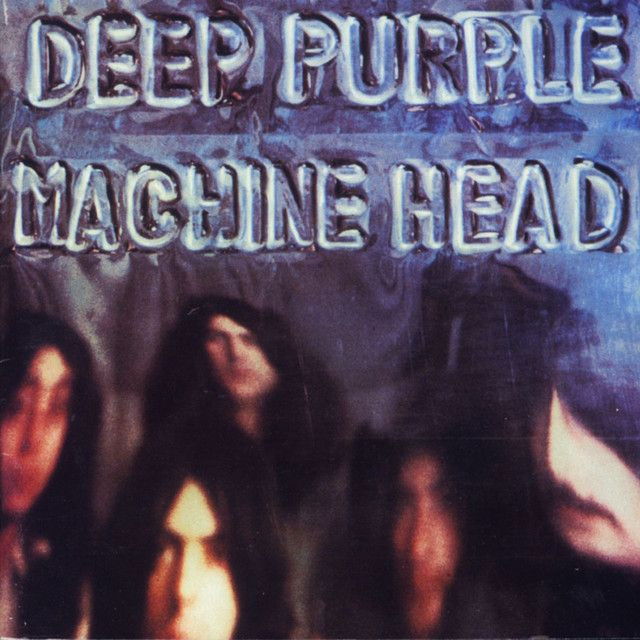
Lazy by Deep Purple
They call it “Lazy,” but the track blasts out of the speakers like a wake-up siren. To get at the meaning of Lazy Deep Purple fans should look past the jam and hear the blunt message: this is a bluesy scolding about wasted potential, wrapped in one of the band’s most kinetic grooves.
"Lazy" - Deep Purple
You're lazy, you just stay in bed
You don't want no money, you don't want no bread
Loading lyrics...
Unable to load lyrics
We're unable to display the lyrics at this time. Please try again later.
A Tough-Love Blues Inside a High-Octane Jam
Under the swagger, the song is simple and pointed. The narrator confronts someone stuck in inertia—sleeping late, dodging work, showing no drive. The hook boils it down:
You're lazy, you just stay in bed
You don't want no money
You don't want no bread
Interpretation: this refrain is not nihilism; it’s provocation. The singer lists what the person supposedly doesn’t want—money, even “bread”—to shame them into wanting more out of life.
Watch the official Lazy
music video
Who’s Talking—and Why It Stings
The address is second person, and that directness makes it sting. When the verse invokes If you're drowning
and pairs it with no straw
, it paints a picture of someone refusing even a last-ditch lifeline. The narrator’s tone swings between exasperated friend and fed‑up mentor.
Another line, my trying ain't done no good
, adds emotional weariness. They’ve tried pep talks, help, maybe even threats, but nothing sticks. When they finally snap with You don't make no effort
, it reads like a final warning: if you won’t help yourself, no one can do it for you.
Key Images, Plain Words, Big Themes
- Bed: shorthand for stasis and avoidance. Staying under the covers becomes a symbol for refusing the day.
- Money/bread: not greed, but basic incentive. Rejecting “bread” rejects even the minimum reason to rise.
- Drowning/straw: the classic survival idiom turned upside down—this person won’t grasp a rescue.
Interpretation: using short, blunt phrases fits the blues tradition—spare language, heavy meaning. The song argues that action, not talk, is the cure for apathy.
From Organ Blast to Guitar Duel: Sound as Story
The arrangement tells its own tale. Jon Lord’s overdriven Hammond organ kicks off with a gritty fanfare, then locks into a boogie pulse. Ritchie Blackmore answers with a wiry, swinging guitar feel; they trade licks like a debate. Ian Paice’s crisp shuffle and Roger Glover’s anchored bass keep the engine hot while the solos spar.
Vocals arrive late, after the band has already “proved” their work ethic by playing with precision and fire. Ian Gillan even adds harmonica, doubling down on the blues framing. Factually, Lazy appears on Machine Head (1972), recorded in Montreux with the Rolling Stones Mobile after the casino fire; it’s the album’s longest track and became a live showcase on Made in Japan. Guitar World readers later ranked the “Lazy” solo among the greatest of all time—fitting for a song that argues against idleness by sheer exertion.
What the Refrain Really Does
Interpretation: the chant-like hook is a mirror—“lazy” repeated until the word loses its sting and turns motivational. Hearing it over a relentless groove reframes the insult as a dare: are you really going to keep lying there while this band is burning the house down?
Alternate Angles: Teasing, Self-Drag, or Universal Lecture?
- Band banter: It could play like musicians roasting a perpetually late friend. The humor—exaggerated claims that they don’t want money or bread—fits that vibe.
- Self‑drag: Rock stars can be ironic. The “you” may be a mirror, the singer calling out his own lapses to get moving.
- Universal lecture: Most likely, it’s every listener’s inner coach. The generic “you” lets anyone plug in their worst habit.
Each reading holds because the language is archetypal blues—minimal detail, maximum projection.
Why It Endures on Stage
Lazy thrives live because its structure breathes. The long instrumental runway, call‑and‑response solos, and tight shuffle invite expansion without losing the core idea. Historical performances stretched it past ten minutes, sometimes quoting classical and jazz themes, while later lineups trimmed it, then returned to the original sprawl. Across eras, the message stays intact: effort explodes from the speakers, making the scolding credible.
Takeaway for Today’s Listener
The meaning of Lazy Deep Purple listeners hear is both simple and useful: motion breaks apathy. The band models it—organ screaming, guitar sparring, drums snapping—then the lyric dares the listener to match that energy in their own life. It’s a sermon you can dance to.
Interpretation disclaimer: Song meanings are subjective. This reading blends lyrics, performance, and documented context; your personal take may differ—and that’s part of the music’s power.







