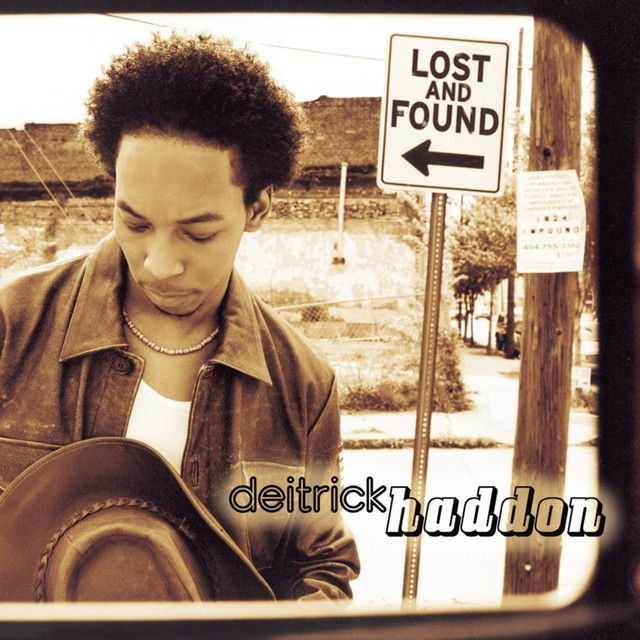
Why “Sinner's Prayer” by Deitrick Haddon Still Hits
The meaning of Sinner's Prayer Deitrick Haddon comes down to one strong idea: no one is beyond mercy. The song speaks to people who feel stained by their past, judged by others, or unsure whether they still belong in church. Instead of offering a polished image of faith, Haddon centers a believer who knows they have failed and still dares to ask God for help.
"Sinner's Prayer" - Deitrick Haddon
Sinners Prayer (Sinners Prayer Sinners Prayer)
Sinners Prayer (Sinners Prayer Sinners Prayer)
Loading lyrics...
Unable to load lyrics
We're unable to display the lyrics at this time. Please try again later.
That is why the song feels so direct. It is not about pretending to be perfect. It is about surviving, returning, and trusting that grace is still available.
A Gospel Testimony, Not a Performance
At its core, “Sinner's Prayer” is a testimony song. The singer looks back at danger, regret, and public shame, then answers all of it with gratitude. Early on, Haddon frames life itself as undeserved mercy with the phrase another day
. That short line matters because it turns survival into spiritual evidence: if they are still here, then God has not given up on them.
The repeated hook, hears a sinner's prayer
, carries the song's whole message. In plain terms, Haddon argues that prayer is not reserved for the pure. It is especially for the broken, the ashamed, and the person trying again.
This matches Haddon's larger artistic identity. Across his career, he has mixed contemporary gospel with a street-level honesty that helped him stand out in modern gospel music, as noted in his artist biography. He often writes from the viewpoint of someone wrestling with real life, not hiding from it.
Watch the official Sinner's Prayer
music video
The Story Inside the Verses
The verses move like a short redemption story. They begin with survival, then move to a church doorway, then to a wider lesson about judgment.
Standing Outside the Door
One of the strongest images is not dramatic at all. The singer is outside church, wondering whether to enter. That scene gives the song its emotional center. They are not only facing God; they are facing people who remember who they used to be.
When Haddon refers to past sins
, the point is bigger than personal guilt. The song suggests that public memory can trap people. Others freeze them in an old version of themselves, even when they are trying to change.
From Shame to Witness
The song then flips that pressure. Instead of letting the past silence them, the singer says they are still here to tell the story. Interpretation: this is the moment where private guilt becomes public testimony. In gospel tradition, that shift matters. Pain is not erased, but it is repurposed into witness.
A Warning Against Religious Pride
Another major thread is the song's challenge to judgmental religion. Haddon paraphrases a biblical idea about the person without sin casting the first stone, then pushes listeners to stop acting spiritually superior. The phrase cast the first stone
works as a shortcut to a whole moral argument: everyone needs grace, so no one should weaponize faith against others.
What the Chorus Really Means
The chorus is simple, but that simplicity is the point. It repeats the same assurance until it feels communal, almost like a church response. Each return to the hook answers the fear created in the verses: fear of death, fear of rejection, fear of being defined by failure.
I did wronghe was still there
Those brief lines summarize the song's theology. Wrongdoing is not denied, but abandonment is denied too. Interpretation: Haddon is not minimizing sin; they are maximizing grace.
How the Sound Supports the Message
Musically, “Sinner's Prayer” uses familiar gospel tools to make its message feel accessible and healing. The melody is steady and memorable. The repetition is intentional, because testimony songs often rely on return and emphasis rather than complex poetic twists.
The arrangement leans on warm choir energy, a church-rooted call-and-response feel, and a lead vocal that sounds conversational as much as sung. That matters. Haddon does not deliver the message as distant doctrine. They sound like someone talking from lived experience.
By the time the song moves into the prayer section, the structure becomes more openly devotional. It shifts from testimony into worship, drawing from the Lord's Prayer. That turn broadens the message: one person's struggle becomes a shared act of faith. In live or church settings, this kind of move often invites listeners to join in, not just listen.
Haddon's broader catalog is known for blending traditional gospel themes with modern production and contemporary R&B influence, a mix reflected in coverage by the Gospel Music Association. That crossover style helps explain why “Sinner's Prayer” feels both church-based and widely relatable.
Why the Song Connects So Deeply
The lasting power of the meaning of Sinner's Prayer Deitrick Haddon lies in its honesty. Many faith songs celebrate victory after the fact. This one spends time on hesitation, memory, and being seen by people who know the worst parts of someone's story.
That makes the song useful to listeners, not just inspiring. It tells them three things:
- survival can feel like grace
- repentance does not require perfection first
- a faith community should restore, not shame
Interpretation: the song's real target may be both the struggling sinner and the self-righteous observer. It comforts one group while correcting the other.
The Lasting Takeaway
“Sinner's Prayer” is about mercy that meets people before they clean themselves up. It presents prayer as open access, not a reward for good behavior. That is why the song still resonates: it speaks to anyone who has stood at the edge of belonging and hoped the door was not closed.
Ultimately, the meaning of Sinner's Prayer Deitrick Haddon is rooted in grace, humility, and return. This article offers an interpretation based on the lyrics, performance, and available artist context; listeners may hear its message somewhat differently.








