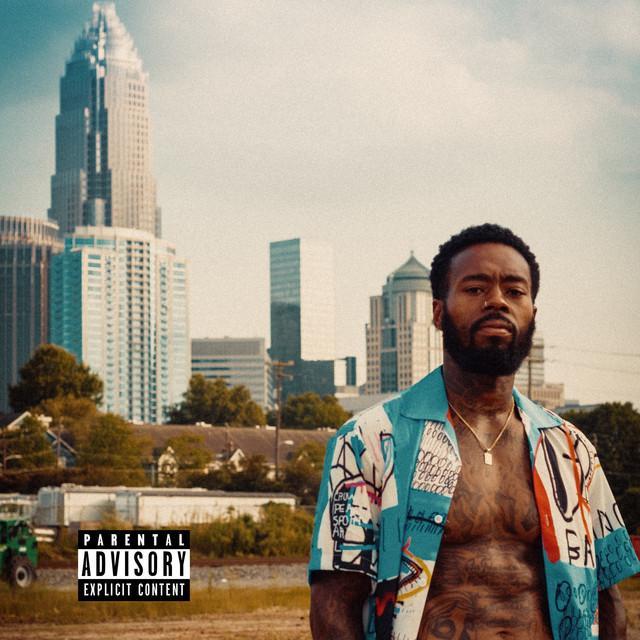
Winter by Deniro Farrar, Lute, Southside Gauxst
A Cold Season Turned Into Testimony
The meaning of Winter Deniro Farrar, Lute, Southside Gauxst centers on survival during harsh times. The song is not really about weather. It uses winter as a state of life: cold, tense, isolating, and dangerous. Across the verses, they move between painful memories, present-day pressure, and signs of success, showing how a hard past still shapes them.
"Winter" - Deniro Farrar, Lute, Southside Gauxst
c n*a up like a Goodyear blimp, can't call me bro
Keep a gas mask for niggas that want that smoke
Loading lyrics...
Unable to load lyrics
We're unable to display the lyrics at this time. Please try again later.
This is why the record feels heavy even when it sounds triumphant. They celebrate being up now, but that victory never sounds simple. Every flex carries a backstory of hunger, betrayal, grief, and self-correction.
Three Voices, One Shared World
Deniro Farrar and Lute both rap from lived experience, and Southside Gauxst helps frame the mood with a bleak, streetwise atmosphere. Farrar has long built his music around raw Southern realism, especially on projects like Deniro Farrar profiles and earlier releases. Lute, known widely from Dreamville and his album West1996 Pt. 2, often writes with calm detail and moral weight.
That pairing matters here. Farrar sounds like someone pushing through chaos in real time. Lute sounds like someone pausing to examine what chaos has done. Together, they make the song feel like a conversation between endurance and reflection.
What the Song Is Really Saying
At its core, the track argues that survival changes a person. They are proud of making it out, but they do not pretend success erased the damage. The verses return again and again to trauma, family strain, neighborhood violence, and the pressure to stay alert.
When Farrar mentions health fears around a grandmother and then compares Black struggle to being thrown into the ocean in chains, the song broadens from personal pain to historical pain. That image connects present danger to a much older story of racial violence. The point is not subtle: their hardship is both individual and inherited.
Interpretation: The title "Winter" suggests a season where warmth is scarce. In that reading, money and status are not the real goal. They are trying to find emotional shelter.
How the Verses Build the Theme
Farrar’s section: survival with scars
Farrar opens with confidence, but he quickly lets fear and memory interrupt that posture. A boast like Goodyear blimp
signals success and visibility, yet the next ideas turn toward smoke, sickness, and danger. He presents growth and threat side by side.
He also looks back at poverty in vivid, everyday detail. The image of making a meal out of almost nothing is one of the song's strongest reminders that struggle was not abstract. It lived in the kitchen, in the home, and in childhood.
Later, he admits betrayal by someone he trusted. That matters because the song's deepest wounds do not only come from enemies. They come from people who were close.
Lute’s section: lessons, not just losses
Lute shifts the song from raw report to hard-earned wisdom. He says the setbacks were really instruction, not just failure, and that change started when he changed direction. That idea gives the record its moral center.
He also ties personal damage to public violence. The reference to George Floyd turns the verse outward, placing neighborhood pain inside a national pattern. When he says Black bodies are treated like trophies, he is condemning a system that normalizes cruelty.
Then he brings it back to private repair: respect, his mother, his children, and the need for discipline. One of the sharpest lines in the song is Get your funds up
. It sounds like street advice, but it also means stability before recklessness.
Why the Hook Matters So Much
The repeated refrain is catchy, but it is not empty. Each return to images like gas mask
and dodging illness makes the hook feel like a survival chant. They are still moving, still ducking, still breathing.
can't call me bro
gas mask
it's corona
Those short phrases capture distance, danger, and distrust. Even in success, they cannot relax. The world around them still feels contaminated, whether by fake loyalty, violence, or disease.
Symbols That Carry the Song
Several motifs hold the meaning together:
- Winter/cold: emotional numbness, scarcity, and danger.
- Breath and illness: fear, vulnerability, and the fragility of family.
- Water and drowning: historical trauma and the search for answers.
- Height: houses on hills, blimps, pilots, being "up" now.
- Healing: grief, self-control, and trying to become someone new.
Near the end, Farrar says Rest in peace to old me
. That is one of the clearest mission statements in the song. They are not only trying to win. They are trying to bury an earlier version of themselves built for survival at any cost.
How the Production Deepens the Meaning
The production supports the writing by staying cold and spacious. The beat does not rush. It leaves room for reflection, which makes every confession land harder. The drums feel firm rather than flashy, and the dark melodic bed gives the track a wintery stillness.
That matters because the song could have been played as a pure victory lap. Instead, the sound keeps reminding listeners that this success was bought with pain. The restrained mood lets the words carry tension without over-explaining it.
Final Reading: Success Without Peace
The best way to read "Winter" is as a song about making it out while still carrying the climate of where they came from. They have money, perspective, and some healing. But they also have memories that do not disappear.
Interpretation: The song suggests that growth is real, yet incomplete. Survival can teach wisdom, but it can also leave people suspicious, restless, and emotionally cold.
That is what makes the meaning of Winter Deniro Farrar, Lute, Southside Gauxst so strong. It is a testimony from artists who know that the end of struggle and the end of pain are not the same thing.
Disclaimer: This interpretation is based on the lyrics, performance, and available artist context. As with any song, listeners may hear different meanings in the details.








