Why "Everything Counts" Still Feels So Sharp
The meaning of Everything Counts Depeche Mode comes into focus fast: this is a song about greed dressed up as normal business. Depeche Mode take the language of deals, success, and competition, then reveal the selfishness hiding underneath.
"Everything Counts" - Depeche Mode
From the contract, there's no turning back
The turning point of a career
Loading lyrics...
Unable to load lyrics
We're unable to display the lyrics at this time. Please try again later.
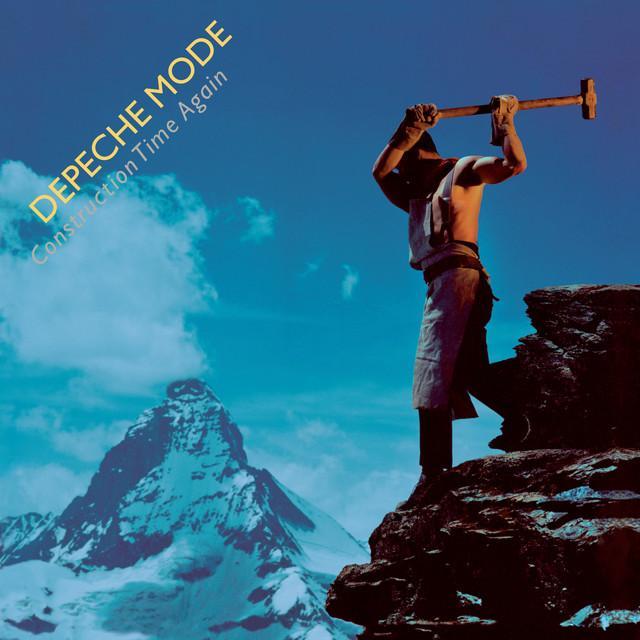
Released in 1983 as the lead single from Construction Time Again, the song marked a major shift for the band, becoming the first clear sign of their darker and more socially aware direction. It was written by Martin Gore and produced by Depeche Mode with Daniel Miller, and it reached No. 6 on the UK singles chart according to the release history gathered in the research data.
A Pop Song About Power, Not Romance
At its core, the song watches how business culture rewards cold behavior. The opening image of a deal being made suggests a world where once people agree to the rules, they are trapped inside them. The lyric phrase the handshake seals the contract
sounds simple, but it carries a threat: a polite gesture hides a system that cannot easily be escaped.
From there, the song moves from one symbol of business life to another. There are references to career ambition, false charm, and numbers on display. None of these details feel random. Together, they build a picture of a culture where appearances matter more than honesty.
Interpretation: They are not just criticizing one bad person. They are criticizing a whole system that teaches people to smile, lie, and win.

Watch the official Everything Counts
music video
The Chorus Turns the Knife
The song's most famous lines make its target impossible to miss. The repeated phrase grabbing hands
reduces greed to a physical image. It sounds childish on purpose, almost like a chant, which makes the accusation hit harder. These are not careful business leaders in the song's world. They are people taking whatever they can.
Then comes the bitter slogan-like hook, Everything counts in large amounts
. The line sounds like a rule from a boardroom or a sales seminar. But the song uses it sarcastically. It suggests that in this world, value is measured only by quantity, scale, and profit.
That is why the chorus is so memorable. It is catchy enough to sing along with, but the message underneath is ugly. Depeche Mode turn a pop refrain into a critique of capitalism's moral emptiness.
Small Images, Big Meaning
One of the smartest parts of the lyric is how it uses objects and surfaces. The phrase the graph on the wall
points to data, performance, and corporate storytelling. A graph looks neutral, even scientific. But the song argues that numbers can hide exploitation just as easily as they reveal truth.
The same happens with image. When the lyric mentions charm and a polished appearance, it suggests that confidence can be manufactured. The line about trust being won by a tan and a smile is especially sharp because it shows how easily people confuse presentation with integrity.
The graph on the wall
Tells the story of it all
That brief moment sums up the song's worldview. The people in charge believe the chart tells the full story. The song says it does not. Behind the graph are lies, pressure, and human cost.
Was It About the Music Business?
Some listeners have wondered whether the song was aimed at record-label politics. That reading is understandable because contracts and careers are central images here. But critics and band commentary have usually framed it more broadly.
In the research data, Jason Heller of The A.V. Club describes it as a critique of corporate culture and a turning point toward more serious writing. He also cites Dave Gahan saying it mattered to sing about "something of substance." That supports the wider reading: the song is less about one dispute and more about how institutions reward insincerity.
Interpretation: The music business may be one example in the background, but the song works because it applies to almost any competitive system.
The Sound Makes the Message Stronger
The production is a huge part of why the meaning lands. According to the research data, the song was recorded during the Construction Time Again sessions in 1983, with final mixing at Hansa Studios in West Berlin. It opens with an accidental scraping sound created while experimenting with the Synclavier and sequencer, and that strange texture matters.
Instead of a soft, romantic opening, the track begins with friction. Then the beat arrives with a machine-like pulse. That industrial edge makes the business world in the lyrics feel mechanical and dehumanized.
At the same time, the chorus is melodic and accessible. That contrast is key. The harsh textures suggest systems, labor, and pressure, while the singable hook shows how easily ugly ideas can be packaged as entertainment. In other words, the song sounds like the contradiction it describes.
Why the Song Endures
"Everything Counts" still resonates because its target did not disappear. Today, charts, metrics, branding, and image control shape daily life even more than they did in 1983. The song's satire of people who take first and justify it later still feels current.
It also lasts because it changed Depeche Mode. The single helped move them beyond early synth-pop innocence into something tougher and smarter. Critics in the research data call it a major pivot, and that feels right: it proved they could be catchy without being shallow.
In the end, the meaning of Everything Counts Depeche Mode is not hard to hear. It is a warning about what happens when success becomes the only moral standard. Interpretation: They are saying that once everything is counted, something human is often lost.
Disclaimer: This interpretation combines documented context with critical reading, so some meaning remains open to listeners.








