Why Depeche Mode Couldn't Keep It Even
The meaning of Get the Balance Right! Depeche Mode comes down to tension. The song sounds like advice, but it feels more like a warning. In Martin Gore's lyric, they describe a world where adults are told to be decent, practical, and measured—yet that same world rewards compromise, image, and quiet selfishness.
"Get the Balance Right!" - Depeche Mode
There's more besides the joyrides
Little house in the countryside
Loading lyrics...
Unable to load lyrics
We're unable to display the lyrics at this time. Please try again later.
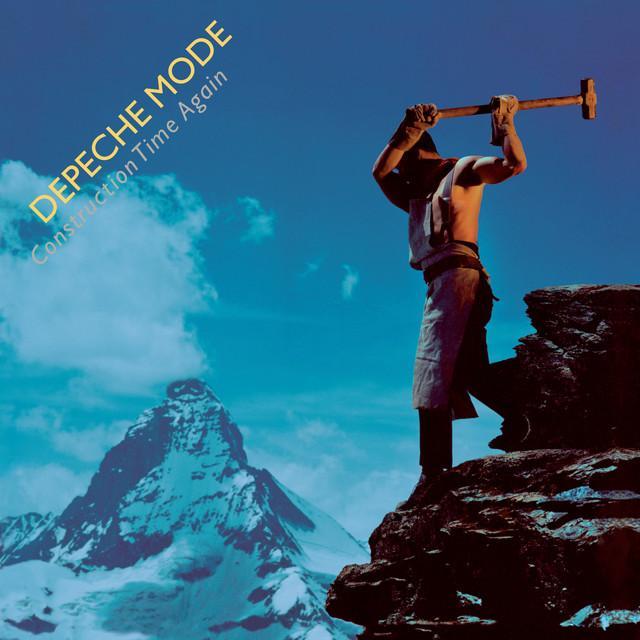
Released as Depeche Mode's seventh single on 31 January 1983, the track arrived between A Broken Frame and Construction Time Again and marked an important transition in their sound and lineup. It was also the first single with Alan Wilder as an official member, according to the band's documented release history and recording notes.[1]
A Chorus That Sounds Simple but Isn't
At the center of the song is the repeated command Get the balance right
. On paper, it sounds motivational. In context, it feels harder and colder.
The verses list the rules of respectable life: settle down, be responsible, care for others, and learn when to bend. But Gore undercuts that advice by showing the moral cost of trying to fit in. A line like compromise, and sometimes lie
turns balance into something ethically messy, not noble.
Interpretation: they are not praising moderation in a clean, self-help way. They seem to be showing how “balance” can become a social performance, where people act stable and decent while hiding ambition or self-protection underneath.

Watch the official Get the Balance Right!
music video
Respectability Under Pressure
One of the song's sharpest ideas is that adulthood often comes with a script. The lyric gestures toward comfort and normalcy—a house, order, responsibility—but then exposes the contradictions inside that ideal.
That is why the phrase stable but gullible
lands so well. It suggests that the very traits society praises can also make people easier to control. The next moral twist is even more pointed: help others, yes, but stay ultimately selfish
. In other words, the song describes a culture that praises kindness while expecting self-interest.
This gives the track a dry, almost satirical edge. They are not singing about romance or heartbreak. They are singing about how people are trained to behave in modern life.
The Fall Built Into Success
The song's middle section shifts from social rules to instability. It argues that confidence is fragile and success can flip fast.
When you think you've got a hold of it all
You haven't got a hold at all
That brief moment is the clearest statement in the song. Just when someone believes they have mastered life, the ground gives way. The later image of reaching the top only to fall extends the same thought: control is temporary.
This is where the meaning of Get the Balance Right! Depeche Mode becomes more existential. It is not only about manners or politics. It is about how shaky human control really is. The song says that life cannot be perfectly managed, even when people follow every rule.
Left, Right, and the Trap of the Middle
Near the end, the lyric becomes more physical and more political-sounding. The movement from left
to right
and back again suggests indecision, but also pressure to choose sides.
Interpretation: this can be read in at least two ways:
- as a personal struggle to find emotional or moral stability
- as a social comment on ideology, conformity, and the pressure to stay moderate
The phrase about going straight down the middle does not sound peaceful. It sounds forced, almost absurd. Balance here is not calm wisdom. It is constant adjustment, constant correction, and constant fear of leaning too far.
Why the Sound Feels So Restless
The production matters a lot. According to documented session details, the single was recorded at Blackwing Studios in November 1982 and produced by Depeche Mode with Daniel Miller.[1] It was also their first single to use guitar, which Andy Fletcher described as processed through a synth and phased out of time.[1]
That detail helps explain the song's feel. The track is rigid, punchy, and slightly anxious. It has a more muscular texture than earlier Depeche Mode singles, with layered synths, a stern beat, and a mechanical push that never fully relaxes.
The sessions were difficult. Martin Gore later said, it was hell to record
, a brief but memorable comment on how frustrating the process became.[1] The band were also working with the then-new Synclavier, which expanded their sound but made recording more complicated.[1]
That tension suits the lyric. A song about trying to stay centered should sound controlled. This one sounds controlled and strained at the same time.
A Turning Point for the Band
Historically, this single matters even beyond its lyric. It pointed toward the tougher, more experimental direction Depeche Mode would develop in the mid-1980s. Alan Wilder later described its extended remix era as part of the shift toward club-minded 12-inch versions, which became central to the band's growth.[1]
The song also had a real afterlife in dance culture. A promotional copy reached Detroit DJ Derrick May, helping the band connect with the U.S. underground club scene; Kevin Saunderson even called it the first [house] record
.[1]
That history does not change the lyric's meaning, but it deepens it. A song about keeping balance ended up standing at a crossroads: pop and club music, innocence and sophistication, early Depeche Mode and the darker band they were becoming.
The Last Word on Its Meaning
So what is the meaning of Get the Balance Right! Depeche Mode? Most likely, it is a skeptical look at the demand to live neatly and correctly. The song treats balance as necessary, but never easy or pure. It is part survival skill, part social trap.
That is why the refrain sticks. It sounds like a solution, but the verses keep proving otherwise.
Interpretation disclaimer: song meaning is never completely fixed. This reading is based on the released lyric, documented production context, and the broader arc of Depeche Mode's early career.
[1] Source available in article metadata.







