Why 'In Your Room' Feels So Intense
A dark love song with a power struggle
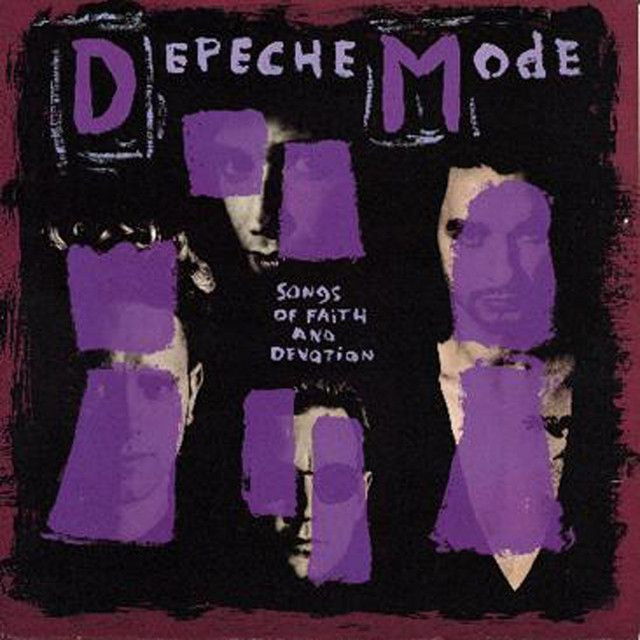
The meaning of In Your Room Depeche Mode starts with a simple image: a private space where normal rules no longer apply. In that room, time seems suspended, desire grows stronger, and one person holds most of the power. The song was written by Martin Gore and released in 1994 as the fourth single from Songs of Faith and Devotion, produced by Depeche Mode and Flood (Wikipedia).
"In Your Room" - Depeche Mode
Where time stands still
Or moves at your will
Loading lyrics...
Unable to load lyrics
We're unable to display the lyrics at this time. Please try again later.
On the surface, it is sensual. But it is not relaxed or romantic in an easy way. The speaker sounds drawn in, even overwhelmed. When the song describes time stands still
, it suggests a place cut off from the outside world. That makes the room feel intimate, but also dangerous.
Interpretation: the song is about surrendering to another person so completely that pleasure and loss of control start to blur together.

Watch the official In Your Room
music video
Who holds the power here?
The lyrics present a speaker who waits to be accepted, guided, or dismissed. They ask whether the other person will welcome them or leave them behind. That uncertainty matters. The relationship does not feel equal.
Several phrases build that imbalance. The repeated image of being a favourite slave
is not subtle; it turns devotion into submission. The song also keeps returning to dependence, especially in the refrain, where the speaker seems to exist through the other person’s language, breath, and touch.
I'm hanging on your words
Living on your breath
Feeling with your skin
That short passage shows the core emotional idea. The speaker is not just in love; they are almost dissolved into the other person. Interpretation: this can be read as erotic surrender, but also as emotional captivity.
The room as a symbol, not just a place
The room in the title works as more than a bedroom. It becomes a symbol of a mental and emotional state. Inside it, the song says only you exist here
, which suggests obsession. The outside world fades away, and the beloved becomes the center of reality.
Depeche Mode often wrote about desire in spiritual or extreme terms, and this song fits that pattern. On Songs of Faith and Devotion, they mixed bodily longing with themes of faith, dependence, and confession. That larger album context helps explain why “In Your Room” feels so heavy. It is not casual attraction; it sounds closer to worship.
The imagery of darkness, half-light, fire, and burning eyes deepens that reading. These are not bright, open images. They belong to secrecy, trance, and temptation. Interpretation: the room may represent a hidden self, a fantasy space, or even an addictive bond where the speaker keeps returning despite the risk.
How the verses keep raising the stakes
One of the song’s strengths is how each verse adds a new layer to the relationship. First, the room freezes time. Then it becomes a place where identity disappears. Later, desire turns into flame. The emotional pressure keeps building.
That design matches comments from Alan Wilder, who said the track was difficult to complete and went through several approaches before the band found the right shape. He described its “subtle layering” and “ever-building tension” as central to the final result (Wikipedia). That production history matters because the song’s meaning depends on escalation.
The lyrics also move through three linked ideas:
- attraction to mystery
- loss of self in intimacy
- fear of being trapped there forever
That final fear appears in the repeated question about whether the speaker will always remain in this state. So even at its most passionate, the song carries anxiety.
Why the music sounds sensual and unsettling
The album version of “In Your Room” is one of Depeche Mode’s most tactile recordings. It blends a hypnotic groove with live-sounding drums, synth textures, guitar weight, and swelling strings. Wilder said those layers were key to the song’s tension, and critics at the time noticed the mix of haunting vocals and rugged beats (Wikipedia).
This matters for interpretation. The track does not just tell listeners about surrender; it makes them feel it. The beat pulls forward, but the atmosphere hangs in the air. Dave Gahan’s vocal is intimate but strained, as if the singer is both seduced and cornered.
That is why the song often feels more intense than the words alone suggest. The arrangement keeps tightening around the listener. Even silence seems charged.
Context around the single adds another layer
“In Your Room” arrived during a turbulent era for Depeche Mode. It was released on January 10, 1994, charted strongly in several countries, and became the last Depeche Mode single to feature Alan Wilder before his departure in 1995 (Wikipedia). Anton Corbijn’s video, using the Zephyr mix, looked back at earlier Depeche Mode imagery and was made during a period of internal band strain (Wikipedia).
That background does not prove a single meaning, but it does shape reception. A song about surrender, instability, and emotional dependence landed at a moment when the band itself seemed fragile. For many listeners, that gave it extra weight.
A final reading of the meaning
The meaning of In Your Room Depeche Mode is best understood as a song about desire under pressure. It presents intimacy as all-consuming, thrilling, and risky at the same time. Love becomes ritual. Attraction becomes dependence. The private room becomes a space where the speaker may find ecstasy, lose identity, or both.
Interpretation: one listener may hear consensual erotic devotion; another may hear obsession and imbalance. The song supports both readings, which is part of why it has lasted.
In the end, “In Your Room” remains powerful because it never turns that tension into a neat answer. It stays suspended between comfort and danger, closeness and control.
Disclaimer: This article offers interpretation based on the lyrics, recording context, and documented release history. Song meaning can remain open to individual listeners.







