Why "Policy of Truth" Cuts So Deep
Depeche Mode's "Policy of Truth" is one of their sharpest songs about guilt, secrecy, and fallout. For listeners searching for the meaning of Policy of Truth Depeche Mode, the core idea is simple but unsettling: telling the truth does not always bring freedom. Sometimes it brings consequences that cannot be undone.
"Policy of Truth" - Depeche Mode
Should've hidden it, shouldn't you?
Now you're not satisfied
Loading lyrics...
Unable to load lyrics
We're unable to display the lyrics at this time. Please try again later.
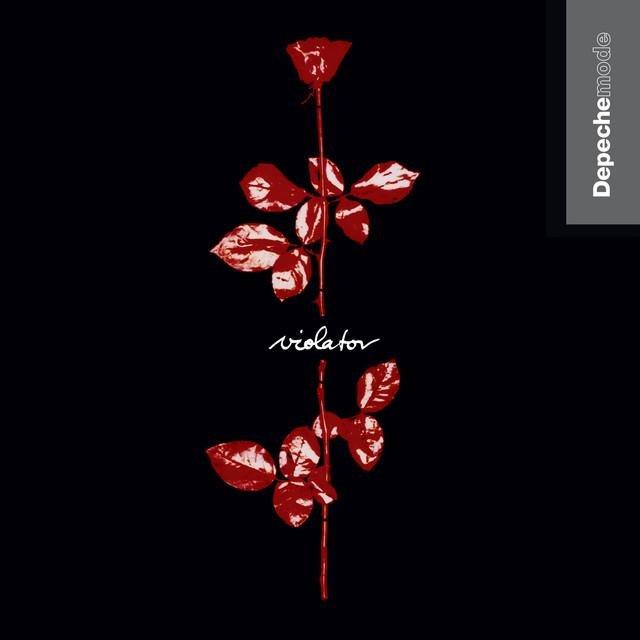
Released on Violator in 1990 and written by Martin Gore, the track sits inside one of the band's most celebrated eras. Facts about the album, credits, and release history are widely documented by sources such as Depeche Mode's official site and Rhino. What makes this song last, though, is not just its place in the catalog. It is the way it turns a moral rule upside down.
The Song's Main Idea Hides in Plain Sight
At its heart, the song speaks to someone who revealed something damaging and now regrets it. The opening points blame directly at that person with phrases like something to hide
. The message is not comforting. It says the problem is no longer the secret itself, but the punishment that followed its exposure.
That creates the song's central tension. Most people are taught that honesty is always the right path. Here, the narrator suggests the opposite: life might have gone better if that person had stayed silent or even lied. The repeated title phrase, policy of truth
, sounds almost official, as if honesty were a rule or doctrine. But in the song, that doctrine fails.

Watch the official Policy of Truth
music video
A Voice That Sounds Like Advice — or Control
One reason the lyrics feel so memorable is the point of view. The narrator speaks in the second person, telling someone what they did wrong and what they should learn from it. Lines built around ideas like pay the price
and face the consequence
make the voice sound stern, almost like a judge.
Interpretation: They may be hearing a bitter friend, a former lover, or even an inner voice. That ambiguity matters. If the narrator is giving practical advice, the song becomes a hard lesson about survival. If the narrator is manipulative, the song becomes darker: a warning from someone who benefits when truth stays buried.
The Chorus Turns Honesty Into Regret
The most striking section circles around the idea of swearing never again
. In plain terms, the person in the song has learned from a previous mistake. They told the truth once, suffered for it, and now promise not to repeat that choice.
That chorus changes the emotional meaning of the verses. It is not just about one bad confession. It is about a pattern. The listener hears a cycle of truth, punishment, regret, and self-protection. That is why the song feels colder than a typical breakup track. It is not asking for healing. It is describing a lesson carved in stone.
Hide what you have to hide
Tell what you have to tell
Those lines are brief, but they capture the song's moral confusion. The narrator is not saying to lie about everything. They are saying people manage information strategically. Some truths get revealed, and some get locked away.
How the Story Moves From Secret to Sentence
The song unfolds in a clean sequence:
- A hidden truth comes out.
- The person suffers for revealing it.
- The narrator says the damage cannot be undone.
- A new rule emerges: be more careful next time.
That structure gives the lyrics their force. There is no dramatic twist at the end because the twist comes early: honesty did not save anyone. By the time the song reaches its repeated warnings, it feels less like debate and more like a verdict.
The Sound Makes the Meaning Even Colder
Part of the meaning of Policy of Truth Depeche Mode comes from the production. Violator was produced by Depeche Mode with Flood, and the album is known for blending sleek electronics with dark emotional themes, as covered by sources like Rolling Stone and AllMusic. In this song, the groove is smooth, danceable, and controlled.
That matters because the music does not explode with panic. Instead, it glides. The beat is steady, the synth textures are crisp, and Dave Gahan's vocal stays cool rather than chaotic. The result is a strange contrast: the body wants to move, while the lyrics describe shame and consequence.
Interpretation: That polished sound may reflect emotional repression. The person in the song has already had the messy breakdown. What remains is a cold lesson delivered over a stylish pulse.
Two Strong Ways to Read It
There are at least two convincing interpretations of the song:
Reading One: A Song About Confession and Punishment
In this version, someone told a painful truth in a relationship and paid for it. The lyrics fit the emotional logic of betrayal, disclosure, and lasting damage.
Reading Two: A Wider Attack on Moral Simplicity
This reading sees the song as more philosophical. It challenges the comforting belief that truth always leads to justice. Sometimes truth only exposes people to power, blame, or humiliation.
Both readings work because Martin Gore often wrote songs that mix intimate emotion with larger moral questions. "Policy of Truth" feels personal and universal at the same time.
Why the Song Still Lands
The song still connects because it names a real fear: what if being honest makes life worse? That question gives Depeche Mode one of their most lasting moral puzzles. They do not offer an easy answer. They turn the problem over in a dark, elegant pop song and let the discomfort remain.
For many listeners, that is the real meaning of "Policy of Truth": not that lying is good, but that truth can be costly, and people are not always brave enough to pay for it.
Disclaimer: This interpretation is based on the lyrics, recording context, and publicly available information. As with many Depeche Mode songs, meanings can vary from listener to listener.








