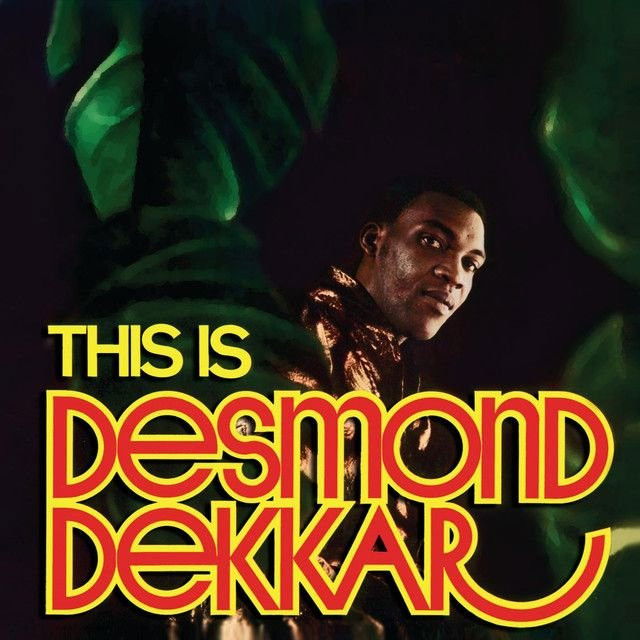
Why “It Mek” Still Feels So Sharp
The meaning of It Mek Desmond Dekker starts with a joke that cuts both ways. On the surface, the song sounds loose, catchy, and playful. But under that light reggae swing, Desmond Dekker delivers a teasing warning about pride, desire, and the way people get themselves into trouble.
"It Mek" - Desmond Dekker
You think I never see you when you jump over de wall
You think I never see you when you accidentally fall
Loading lyrics...
Unable to load lyrics
We're unable to display the lyrics at this time. Please try again later.
Released in 1969 and written by Desmond Dekker with Leslie Kong, “It Mek” became one of Dekker’s best-known crossover hits during the early global rise of reggae and rocksteady-rooted Jamaican pop. Dekker had already broken through internationally with “Israelites,” and “It Mek” followed with another clever blend of local speech, street humor, and easy-to-grab rhythm.
A Playful Song About Consequences
At its core, the song describes somebody who thinks they are getting away with something, only to be seen, exposed, and embarrassed. The narrator notices secretive behavior and calls it out. When Dekker sings about someone who jump over de wall
, he paints a picture of sneaking around, acting slick, or trying to hide desire.
The key phrase it mek
works like a Jamaican patois shorthand for “that is what makes it happen” or “that’s what causes this.” In other words, the song is built on cause and effect. A person acts recklessly, and the result is discomfort, shame, or chaos.
That idea shows up in the comic image of someone who accidentally fall
. The fall is probably not just physical. Interpretation: it also suggests social embarrassment or emotional collapse. They thought they were in control, but their own choices brought them down.
Watch the official It Mek
music video
How the Hook Turns Teasing Into Meaning
The chorus is the song’s engine. Instead of offering a long explanation, Dekker repeats short consequences again and again. That repetition gives the song a singalong feel, but it also reinforces the message: actions have reactions.
One of the strongest phrases is pop your bitter gall
. In plain terms, it points to frustration bursting out. Someone’s envy, anger, or bad attitude can no longer stay hidden. The body language of the lyric is important. Feelings do not stay inside; they spill over.
Then the song adds the memorable line about ice water
. It sounds funny, but the image also suggests sudden pain, shock, or the need to cool down after a bad situation. Dekker keeps the mood light, yet the emotional point is clear.
Jamaican Patois Gives the Song Its Bite
Part of the meaning of It Mek Desmond Dekker lies in its language. Dekker did not smooth the song into formal English for overseas listeners. He kept the phrasing rooted in Jamaican speech, which gives the track personality and authority.
That matters because the humor depends on voice. The song sounds like somebody on a corner, in a yard, or in a neighborhood conversation, telling a story with a grin. The patois makes the warning feel lived-in rather than literary.
For U.S. listeners, some lines can sound mysterious at first. But the emotional logic is easy to follow: someone is being watched, someone is being warned, and someone’s bad decision is catching up with them.
The Story Hidden in a Few Quick Images
Even though the lyric is brief, it creates a mini-drama:
- Somebody sneaks around.
- The narrator sees more than they think.
- Trouble follows the behavior.
- The result is pain, panic, or public embarrassment.
The repeated line about being seen is important. The narrator is not confused. They are almost amused. That gives the song its balance of charm and sting.
Another curious image is the line about the sweet nanny goat
. This kind of folk-style wording adds humor and rural flavor. Interpretation: it may suggest appetite, impulse, or a creature following instinct without thinking ahead. That fits the song’s larger point about unchecked desire.
Why the Music Sounds So Light
One reason the song lasts is that its sound does not lecture. Dekker and producer Leslie Kong were central figures in taking Jamaican music to wider pop audiences, and Kong’s productions often favored clarity, bounce, and strong melodic hooks. That broader history is documented by sources such as The Jamaica Observer and artist histories collected by Trojan Records.
In “It Mek,” the groove feels warm and springy. The rhythm section gives the track a danceable pulse, while the vocal stays conversational. Instead of sounding angry, Dekker sounds knowing. That choice matters. If the delivery were harsh, the song might feel moralizing. Because it is relaxed, the message lands as social wisdom.
More Than a Joke: Two Strong Readings
There is more than one fair way to hear this song.
Reading One: A comic warning
This is the clearest reading. The song laughs at somebody whose sneaky or lustful behavior leads to trouble. In this version, Dekker is the observer who has seen this kind of drama many times before.
Reading Two: A broader social lesson
Interpretation: the song can also be heard as a comment on human nature. People ignore advice, act on impulse, and then act surprised when the consequences arrive. That would explain why the lyric stays general instead of naming a detailed story.
Both readings work because the song leaves room for listeners to fill in the scene.
Why “It Mek” Endures
The meaning of It Mek Desmond Dekker remains fresh because the song is simple without being thin. It captures a timeless truth: people often create the mess they later complain about. Dekker turns that truth into humor, rhythm, and memorable street poetry.
For many listeners, the pleasure is in that balance. The song dances, smiles, and lightly scolds at the same time. That is part of what made Dekker such a powerful early reggae crossover artist.
Final takeaway
“It Mek” is best understood as a bright, teasing song about cause and effect, seen through Jamaican patois and neighborhood storytelling. Interpretation: its lasting charm comes from how gently it mocks human foolishness.
Disclaimer: This interpretation is based on the lyrics, performance, and available historical context. As with many songs, some meanings remain open to listener interpretation.








