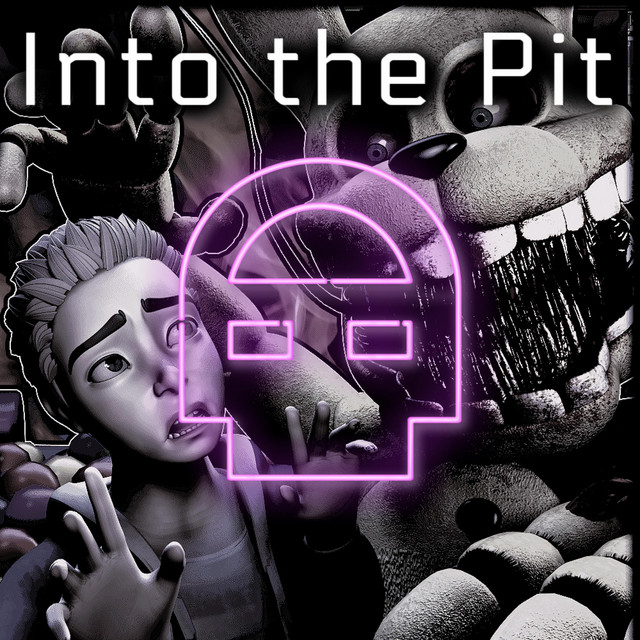
Why 'Into the Pit' Feels Like a Fall
The meaning of Into the Pit DHeusta, Dawko lies in its mix of horror imagery and inner collapse: the song sounds like a chase, but it feels like a surrender.
"Into the Pit" - DHeusta, Dawko
Provided by LyricFindNo one, sees him here I try to
Forget and enjoy what's near never to
Believe what's to come I neverLoading...Loading lyrics...
Unable to load lyrics
We're unable to display the lyrics at this time. Please try again later.
A Horror Song About Giving In
At its core, this track is about a person who tries to enjoy safety and normal life, but cannot ignore a growing darkness. The opening sets that split right away. They want peace, yet their mind keeps returning to something hidden behind every wall, every place
. That image turns the setting into a trap. The danger is not only outside them; it has already entered how they see the world.
Interpretation: this is why the song feels more psychological than physical. The speaker does not just run from a monster. They seem drawn toward it.
The hook makes that idea even sharper. When the song reaches Into the pit
, it stops sounding like a warning and starts sounding like acceptance. The speaker admits they are going down willingly, or at least helplessly. That shift is the emotional key to the song.

Watch the official Into the Pit
music video
Who Is Speaking, and Why the Voice Changes
One of the smartest parts of the lyric is its change in address. Early lines stay close to the self, full of uncertainty about whether the threat is real. Later, the wording turns outward, almost as if the speaker becomes the force haunting someone else.
That switch matters. It suggests at least two possibilities:
- They are losing their sense of self.
- They have become part of the darkness they feared.
- The song is dramatizing a cycle, where victim and monster mirror each other.
That last reading fits especially well with the line about being caught intertwined
. The person and the threat do not stay separate. They merge.
The Story Unfolds Like a Nightmare Loop
The song has a loose narrative, but it moves more like a nightmare than a straight plot. First, the speaker remembers a place that seemed full of life and free of pain. Then, that comfort starts to crack. They sense pursuit, question their own mind, and wonder whether they will wake up safe or not at all.
From there, the song deepens into ruin. The lyric introduces murder, memory, and a struggle between old and new. That detail makes the world feel layered, as if the present is haunted by unfinished violence from the past.
Is it real?
Or in my head
Those short lines capture the song's central tension. The fear may be supernatural, but it may also be mental. Either way, the result is the same: the speaker cannot trust their senses.
What the Chorus Really Means
The chorus is not just catchy; it explains the song's deepest idea. When the singer says the hope I will drain
, they frame the darkness as something hungry. It feeds on belief, safety, and emotional strength. This makes the pit more than a location. It becomes a force that empties people out.
Interpretation: the phrase I come anew
hints at rebirth, but not in a comforting way. It sounds like transformation through corruption. The speaker does not return healed. They return changed.
That gives the hook a double meaning. Going into the pit may mean entering danger, but it may also mean emerging as part of that danger.
Old Wounds, New Masks
A striking section of the lyric points to what's modern or old
. That small phrase opens a larger theme: the past is not gone. It keeps resurfacing in new forms.
For listeners who know DHeusta and Dawko's horror-themed work, that matters. Both artists are strongly associated with gaming and internet horror spaces, especially songs tied to Five Nights at Freddy's culture and fandom visibility. Dawko is widely known as a creator in that scene, and DHeusta has built a name through narrative-driven fan songs and dark, cinematic production on major platforms like YouTube and Spotify. Within that context, the song's blend of nostalgia, violence, and attraction to danger feels very intentional.
Even without pinning it to one exact storyline, the lyric suggests a world where history refuses to stay buried. The speaker is not only facing a current threat. They are stepping into accumulated memory.
How the Sound Carries the Meaning
The production style also helps explain the meaning of Into the Pit DHeusta, Dawko. The song is built to feel urgent and theatrical. Its hard-hitting rhythm, dark electronic textures, and sharpened vocal attack create the sense of being pushed forward with no safe exit.
Instead of sounding dreamy or reflective, the music feels compressed and tense. That matters because the lyric keeps asking whether the fear is imagined. The sound answers by making the fear feel bodily and immediate.
Interpretation: when the instrumental surges around the chorus, it mirrors the speaker's surrender. The track does not open up into relief. It tightens, as if descent itself has become the song's momentum.
The Best Way to Read the Song
The strongest reading is that this is a song about seduction by darkness. Fear starts as something external, then becomes intimate. By the end, the speaker is no longer just threatened by the pit. They belong to it.
That is what gives the track its staying power. It captures a familiar horror idea: the scariest thing is not merely being chased, but wanting to step closer.
Final Take
The meaning of Into the Pit DHeusta, Dawko is less about one literal event than about a descent into dread, memory, and transformation. It tells a horror story where the line between hunted and hunter slowly disappears.
This interpretation is based on the lyrics provided and publicly known artist context. As with most songs, meaning can remain open to different listener readings.








