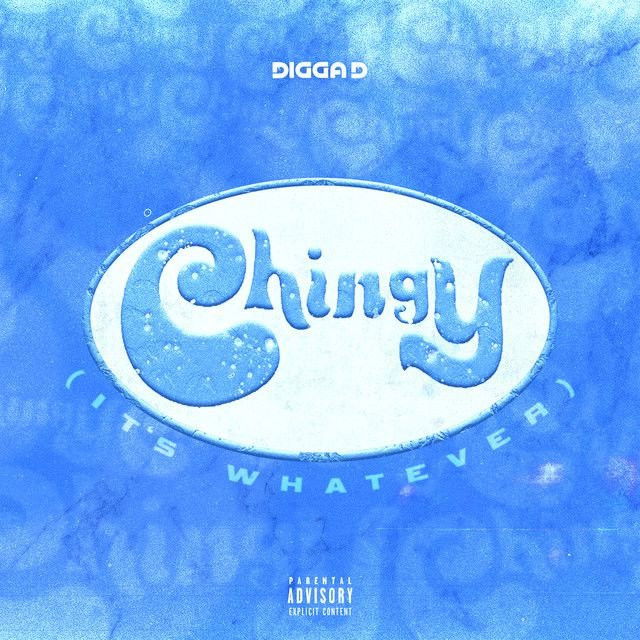
Why Digga D’s “Chingy” Sounds So Cold
The meaning of Chingy (It’s Whatever) Digga D comes down to one chilling idea: the song turns extreme danger into something casual. Instead of building to a moral lesson or a dramatic confession, Digga D presents violence, retaliation, and public risk as part of everyday movement. That emotional flatness is what gives the track its bite.
"Chingy (It’s Whatever)" - Digga D
He watched when I digged at his best mate's chestplate
White tent wanna lock off that estate
Loading lyrics...
Unable to load lyrics
We're unable to display the lyrics at this time. Please try again later.
Released in October 2020, the single arrived after “Woi” and later appeared on Made in the Pyrex, the 2021 tape that reached No. 3 in the UK. It also charted strongly on its own, peaking at No. 18 in the UK and earning a Silver certification. Those facts matter because they show how a very specific UK drill record crossed into the mainstream without softening its core identity (Wikipedia).
The Song’s Core Idea Is Numb Aggression
At its simplest, this is a track about being ready for conflict at any moment. But the deeper point is the attitude around that conflict. The hook keeps returning to it’s whatever
, a phrase that usually sounds casual or dismissive. Here, it becomes much darker.
Instead of meaning “no big deal” in a harmless way, it suggests that serious violence has become normalized. That is the emotional center of the song. Digga D’s narrator does not sound shocked by what is happening. They sound used to it.
Interpretation: The song is less about one specific incident than about a mindset shaped by constant pressure, retaliation, and the need to act quickly. The repeated shrug in the chorus is what makes the record feel colder than many drill tracks that rely only on direct threats.

Watch the official Chingy (It’s Whatever)
music video
A World Built From Motion, Lookouts, and Risk
The verses move like a short crime scene movie. There are lookouts, quick exits, public roads, cars, and split-second decisions. When the lyrics mention bait main road
, the idea is not just location. It is exposure. They are in open view, where being seen raises the stakes.
That helps explain why the song feels so tense even when the delivery sounds controlled. The narrator keeps scanning, moving, and reacting. A line like right thurr
also doubles as a clever pop-culture wink, referencing Chingy’s early-2000s hit while turning it into a much harsher drill image.
The narrative unfolds in quick beats
- They identify a threat.
- They decide not to hesitate.
- They carry out action in public or semi-public space.
- They leave with the same emotional detachment they started with.
That structure matters. It makes violence feel procedural, almost routine. The song’s horror is not only in what happens, but in how little emotional reaction follows.
What the Chorus Really Reveals
The chorus is the key to the meaning of Chingy (It’s Whatever) Digga D because it turns the whole song into a statement about indifference. The phrase chingy, chingy, chingy
is repetitive and catchy, but it is paired with language that suggests action without reflection.
Then the hook lands again on it’s whatever
. That repetition does two jobs at once:
- It makes the track memorable.
- It presents emotional numbness as a survival style.
Interpretation: The hook may be read as bravado, but it also sounds like desensitization. If everything is “whatever,” then nothing gets processed. That is why the song can feel both energized and empty at the same time.
Digga D’s Context Changes the Meaning
Digga D is one of the most visible names in UK drill, a rapper from Ladbroke Grove in West London whose rise came with major legal scrutiny, including a Criminal Behaviour Order that affected how he could release music (Wikipedia). Critics have described him as one of the artists who changed drill’s sound and reach, while Digga himself said he helped take the genre somewhere new (Wikipedia).
That context matters here. “Chingy (It’s Whatever)” sounds like more than shock value. It sounds like a record made by an artist working in a scene where language is coded, watched, and politically charged.
Factual point: The song arrived just before the BBC Three documentary Defending Digga D, which examined the legal restrictions around his music and image (Wikipedia). That public conversation makes the track’s menace feel tied not just to street storytelling, but also to surveillance, censorship debates, and self-mythology.
How the Production Carries the Message
The production is classic drill in its function: sparse, ominous, and built for pressure. The beat leaves space around the voice, which lets every threat and ad-lib hit harder. Heavy low end gives the song weight, while the sharp rhythm keeps it moving like a chase.
This is important because the instrumental does not romanticize what is being said. It sounds mechanical and alert. That suits lines about movement, lookout roles, and fast reaction.
The flow also matters. Digga D often raps with clipped confidence, making wild details sound matter-of-fact. When they say whatever the weather
, the point is consistency. The narrator is presenting readiness as permanent, not situational.
A Small Pop Reference With a Big Effect
One of the smartest parts of the track is how it twists familiar language. The title and phrase right thurr
nod to a playful rap memory for many listeners. But Digga D flips that familiarity into something threatening.
That contrast gives the song extra force. A phrase that once sounded fun now signals danger. It is a reminder that drill often works by bending slang, jokes, and cultural references into darker meanings.
Final Take on the Song’s Meaning
The meaning of Chingy (It’s Whatever) Digga D is not just aggression. It is aggression stripped of drama. The song’s real power comes from how casually it treats chaos, making the shrug of the chorus feel more disturbing than the details in the verses.
In that sense, the track is about normalization: of pressure, retaliation, and emotional shutdown. Interpretation: It can be heard as pure menace, but also as a portrait of what happens when danger becomes ordinary language.
Disclaimer: This interpretation is based on the song’s lyrics, sound, and public context. Meanings can vary by listener, and only the artist knows every intended meaning.







