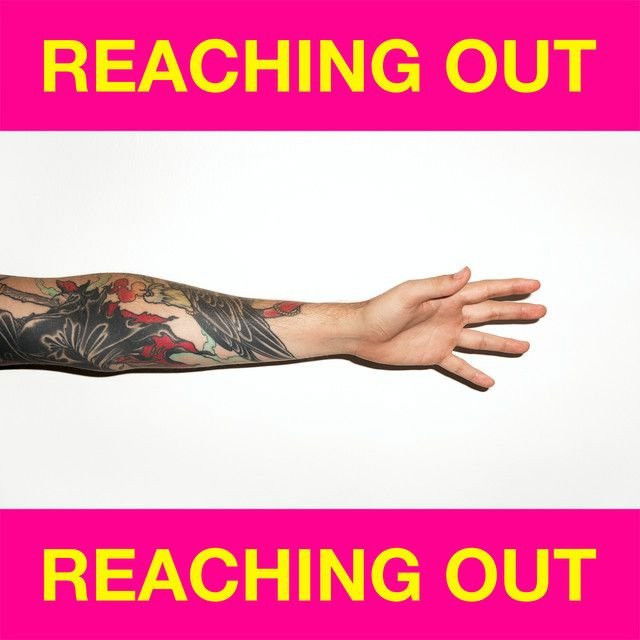
Reaching Out by Dillon Francis, Bow Anderson
The meaning of Reaching Out Dillon Francis, Bow Anderson starts with a simple idea: love is not passive. In this song, care becomes an action. The speaker does not just feel affection; they move toward someone who is struggling and promise warmth, safety, and company.
"Reaching Out" - Dillon Francis, Bow Anderson
I'll be the one to hold you in my arms
Whenever you're scared and lonely
Loading lyrics...
Unable to load lyrics
We're unable to display the lyrics at this time. Please try again later.
That message fits the larger context around Dillon Francis’ Happy Machine. In a Billboard interview, Francis said he made the album from a place of wanting to lift people up with euphoric piano house during a heavy period marked by pandemic sadness. That background matters, because “Reaching Out” sounds like a personal promise, but it also carries the spirit of relief and emotional rescue.
A Love Song Built on Reassurance
At its heart, the song is about being present for another person when they feel scared, lonely, or emotionally wounded. The verses describe physical closeness and emotional shelter. When the singer offers to keep someone safe and known, the track frames love as protection rather than drama.
Short lines like lay your head down
and heal your scars
point to tenderness, but the song avoids overcomplicating that feeling. Its language is plain and direct. That makes the promise feel believable.
Interpretation: This is less about grand romance than dependable care. The speaker is trying to calm fear. They are saying that intimacy can be a place where another person finally stops carrying pain alone.

Watch the official Reaching Out
music video
Who They Are Singing To
The song uses a direct address, speaking to a “you” who seems overwhelmed or guarded. That person may be dealing with heartbreak, anxiety, or simple isolation. The repeated insistence that they do not have to do this alone gives the track its emotional center.
One of the key ideas appears in don’t give up
. That phrase shifts the song from sweet affection into encouragement. It suggests the other person is near a breaking point, or at least deeply discouraged.
The Relationship in the Lyrics
The bond sounds romantic, but it could also be heard more broadly. The emotional setup is intimate, yet the wording is universal enough to connect with anyone who has needed support.
Interpretation: Because the lyrics focus on comfort more than specific relationship details, listeners can hear the song as either a partner’s promise or a wider message of emotional solidarity.
Why the Chorus Feels So Urgent
The chorus is where the song’s meaning becomes clearest. The phrase reaching out for ya
turns care into movement. Instead of waiting for the hurting person to fix themselves, the speaker closes the distance.
That matters because many support songs stay abstract. This one sounds active. The singer is not offering advice from afar; they are stepping in. Even the claim my love's enough
is not really about ego. It is about reassurance: the speaker wants the other person to feel held up by shared strength.
You don't have to face it alone
It's better when two align
Those lines summarize the whole song. Pain isolates, but connection restores balance. The chorus keeps repeating that rescue is possible through closeness.
Sound That Turns Comfort Into Release
Production is a big part of why the song lands. Francis built Happy Machine around piano-house influences and told Billboard that he leaned into that style because it made him feel better during difficult times. He also discussed using classic house textures like the Korg M1 on the album.
That bright, buoyant sound changes how “Reaching Out” is heard. The lyrics could have become a soft ballad, but the dance framework gives them lift. Instead of sitting inside sadness, the track pushes forward. The beat says healing can be energizing.
Bow Anderson’s vocal is central here. Francis said of the collaboration, “she crushed it” and that they did not need to change her vocals, according to Billboard. That detail supports what listeners hear: her delivery sounds open, clean, and emotionally direct, which helps the reassurance feel human rather than overly polished.
The Song’s Main Symbols
The imagery is simple, but it is effective. A few recurring ideas shape the track:
- Night: a stand-in for fear, doubt, or emotional confusion.
- Warmth: a symbol of safety and care.
- Scars: emotional damage that has not fully healed.
- Light: guidance, clarity, and renewed self-worth.
When the singer offers warmth under the stars and light in the dark, the song uses familiar images to express a basic emotional truth: people often need another person to help them see hope again.
Artist Context Makes the Meaning Bigger
“Reaching Out” gains extra meaning from where it sits in Francis’ career. Happy Machine was presented as his third album and a house-focused project released through Mad Decent, with Francis describing it as an effort to make joyful music in a difficult era, as reported by Billboard. That means this song is not only about one relationship. It also belongs to a broader artistic attempt to create relief.
Interpretation: In that context, the song can be heard as both a love song and a small mission statement. It reaches toward one person in the lyrics, but toward a wider audience in feeling.
Final Take on the Song’s Message
The meaning of Reaching Out Dillon Francis, Bow Anderson is the promise that real love shows up, especially when someone feels most alone. Its lyrics focus on comfort, its chorus turns support into action, and its piano-house production makes healing sound bright instead of fragile.
That blend is why the song connects. It understands that people do not only want to be loved; they want to be found.
Disclaimer: This interpretation is based on the released lyrics, artist comments, and musical context. As with any song, listeners may find personal meanings beyond this reading.









