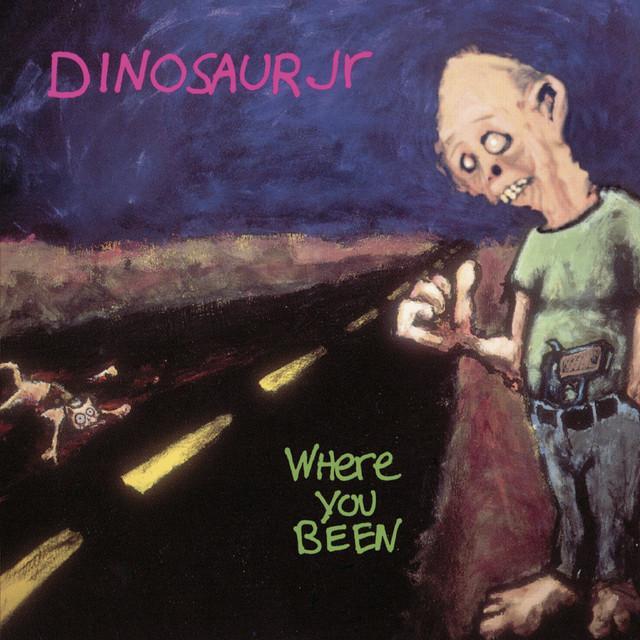
Why “Out There” Feels So Far Away
The meaning of Out There Dinosaur Jr. starts with distance. Not just physical distance, but emotional distance: the kind that lingers after a breakup, a betrayal, or a slow drift between two people who no longer reach each other.
"Out There" - Dinosaur Jr.
I know the people out there feel the same
I know you're gone
Loading lyrics...
Unable to load lyrics
We're unable to display the lyrics at this time. Please try again later.
Released on Dinosaur Jr.’s 1993 album Where You Been, “Out There” was written by J Mascis, not Willie Hutch, and it became one of the record’s best-known songs. According to the song’s Wikipedia entry, it was issued as a single in the UK and Europe, peaked at No. 44 in the UK, and also appeared on the Wayne’s World 2 soundtrack.
The Heart of the Song Is Separation
At its core, the song sounds like someone addressing a person who is absent but still emotionally present. The singer says they know this person is out there
and also gone
. That tension matters. The person has left, yet they still occupy the speaker’s mind.
Interpretation: this suggests unresolved attachment. The relationship may be over, but the speaker has not fully accepted that ending. They are caught between recognition and denial, which is why the chorus feels both certain and pleading.
The emotional conflict deepens when the song questions fairness. Instead of moving cleanly into anger, it keeps circling doubt. The speaker seems to ask whether the other person was wrong, whether public opinion is wrong, or whether they themselves have misunderstood what happened.
Watch the official Out There
music video
A Voice Arguing With Itself
One of the strongest parts of “Out There” is how unstable the speaker sounds. They claim I feel ok
, but the line does not feel convincing. Right after that, they admit that other people see things differently.
That contrast gives the song its human quality. Rather than presenting a neat heartbreak story, it shows someone thinking in real time. They defend themselves, then question themselves, then go back to blaming the other person.
The Main Emotional Beats
The song moves through a few clear stages:
- The speaker identifies the absent person and their loss.
- They challenge the fairness of the situation.
- They try to sound steady, but self-doubt breaks through.
- They return to memories, social scenes, and unanswered questions.
- They end in confusion, feeling reduced and strange.
That structure helps explain why the song feels restless. It never settles into closure.
The Chorus Turns Distance Into Obsession
The repeated return to you’re gone
makes the chorus feel like a fact the speaker keeps testing. Every repetition tries to force acceptance, yet each one also proves they are still stuck on the same thought.
Interpretation: the hook is less a statement than a ritual. By saying the person is gone again and again, the speaker tries to make the loss understandable. But because the feeling does not change, the repetition becomes obsessive rather than healing.
There is also a striking social angle in the lyrics. Phrases about being invited, fitting into a place, and hiding what is left suggest exclusion and embarrassment. This may point to a broken relationship, but it could also describe alienation inside a scene, a friend group, or even one’s own past.
Whatever’s left, just hide the rest
And bring it right in
These lines hint at emotional damage control. The speaker seems to imagine someone concealing pain, leftovers, or truth, then bringing only a manageable version of themselves forward.
Images of Memory, Not Storytelling
“Out There” is not a narrative song in the usual sense. It does not tell listeners exactly what happened. Instead, it gives fragments: a face not erased, an invitation, a place that still matters, a sense of wasted effort.
That makes the song feel dreamlike and haunted. The details are specific enough to feel personal, but open enough for listeners to insert their own experiences.
Key Motifs That Shape the Meaning
A few repeated ideas carry most of the song’s emotional weight:
- Distance: the absent person remains mentally close.
- Memory: the face and the place still linger.
- Fairness: the speaker cannot stop judging the breakup.
- Social exclusion: being invited or not becomes a symbol of belonging.
- Emotional concealment: hiding what remains suggests shame or self-protection.
Together, those motifs support a reading of the song as unresolved grief mixed with wounded pride.
Why the Sound Hits So Hard
The meaning of Out There Dinosaur Jr. is not only in the words. It is also in the sound. The track opens Where You Been with force, and critics have often highlighted its mix of overdriven guitar and yearning emotion. The song is known for its heavy riff, its chime accents, and a solo that stretches the feeling beyond what the lyrics plainly say.
That matters because J Mascis often writes in a blurred emotional style: the words can be indirect, but the guitar makes the feeling unmistakable. Here, the loudness does not cancel sadness. It amplifies it.
Factual context: Mascis has singled out “Out There” as one of his best riffs, noting that it feels complicated for him to play and sing at once. That comment fits the song’s effect. It sounds physically strained, as if the performance itself mirrors the emotional overload.
More Than One Reading Works
There is no single confirmed storyline behind the song, so interpretation should stay careful.
Interpretation 1: It is about a romantic breakup where the speaker cannot let go and keeps replaying the unfairness.
Interpretation 2: It is about broader alienation — feeling outside a social world, wanting recognition, and resenting the rules of belonging.
Both readings fit because the song keeps its language open. The repeated address to “you” gives it intimacy, while the references to place and invitation widen the frame.
Why the Song Still Connects
Part of the reason “Out There” lasts is that it captures a familiar emotional trap: knowing someone is absent but still organizing thoughts around them. The song does not offer wisdom or closure. It offers recognition.
That is why its mix of fuzz, ache, and repetition still lands. It sounds like a person trying to talk themselves through a loss and failing in a very believable way.
Disclaimer: This article offers interpretation based on the lyrics, recording context, and documented release history. Since Dinosaur Jr. has not provided a full line-by-line explanation, some meanings remain open to listeners.








