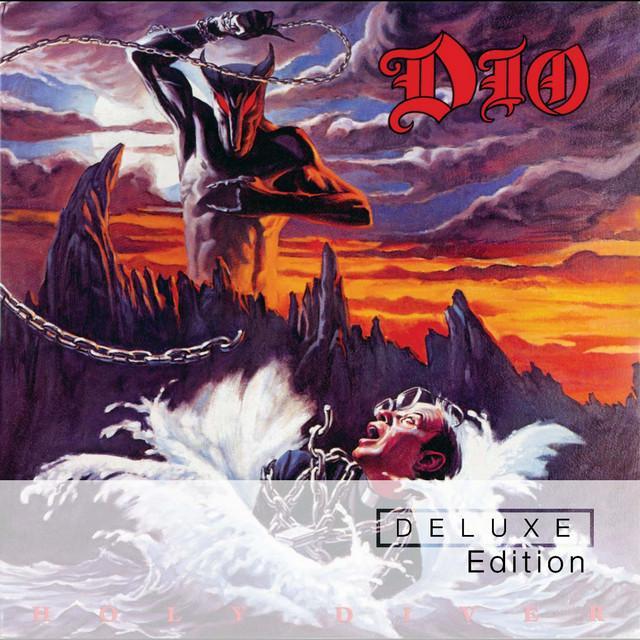
Holy Diver by Dio
The Big Idea Behind the Myth
The meaning of Holy Diver Dio is easier to grasp once listeners know that Ronnie James Dio did not write it as a simple devil story. In a brief explanation cited by Songfacts, he described the central figure as a Christ-like being from another world, preparing to sacrifice himself again for others. That matters because the song’s dark images can sound evil at first, but the core idea is closer to salvation, fear, and human selfishness.
"Holy Diver" - Dio
Yeah, yeah
Holy diver
Loading lyrics...
Unable to load lyrics
We're unable to display the lyrics at this time. Please try again later.
So the title figure is not just a monster in the deep. They are a holy rescuer, someone called to descend into danger. The people around them seem torn between awe and panic. They need this figure, but they also fear losing them.

Watch the official Holy Diver
music video
A Story About Rescue, Fear, and Possession
At the lyric level, the song opens with a warning to someone who has been down too long
in a place of darkness. The sea is less a real ocean than a symbol of spiritual crisis, confusion, or descent. The speaker sounds alarmed, as if they are watching a savior head toward suffering.
That tension runs through the whole song. The repeated cry of Holy Diver
works like both a title and a plea. It names the hero, but it also sounds like someone trying to stop them.
Interpretation: One strong reading is that the song is about how people want salvation for themselves, but not always for others. Dio’s own explanation supports that. In that reading, the crowd is selfish. They do not want the holy figure to leave and save another world. They want to keep that gift for themselves.
Why the Images Feel So Strange
Dio’s lyrics are famous for fantasy language, and this song is a prime example. He uses symbols instead of plain speech. That is why lines about seas, cats, diamonds, and tigers can feel dreamlike.
The phrase Ride the tiger
suggests taking hold of something dangerous and powerful. It can mean mastering fear, accepting a hard mission, or clinging to a force that may turn on the rider. The old proverb about riding a tiger carries that same danger: once someone is on, getting off is the real problem.
Then there is the sharp contrast in hard as steel
. The song says that beneath comforting falsehoods lies an unbending truth. That image fits the larger theme. People may dress up fear with soft words, but the mission of sacrifice remains brutal and real.
Between the velvet lies
There's a truth that's hard as steel
This short passage is the song’s clearest statement of conflict. It opposes illusion and reality, comfort and duty. The truth is not gentle.
The Chorus Turns the Song Into a Warning
The chorus is not a victory chant. It sounds more like panic. By returning again and again to the diver’s name, the song turns the hero into a figure caught between destiny and danger.
The phrase midnight sea
gives the chorus its emotional center. Midnight implies isolation, fear, and the unknown. The sea suggests depth and engulfment. Together, they create the feeling of a descent that may be necessary but still terrifying.
Interpretation: The speaker may be a crowd, a friend, or even the hero speaking to themselves. That ambiguity is part of the power. The song never settles into one neat point of view, so listeners feel both the call to sacrifice and the fear of it.
How the Sound Carries the Meaning
Musically, “Holy Diver” helps explain itself. The title track appears on Dio’s 1983 debut album Holy Diver, released May 25, 1983, and recorded with Vivian Campbell, Jimmy Bain, and Vinny Appice, with Ronnie James Dio credited as producer on the album page. That lineup matters because the song’s meaning lives in its performance as much as its words.
The main guitar riff is slow, stalking, and heavy. It does not rush. It lumbers forward like fate. The drums give the track a march-like feel, which supports the idea of an unavoidable mission. Campbell’s guitar tone is sharp but spacious, letting the song feel huge rather than cluttered.
Dio’s voice is the real storytelling engine. They sing with operatic force, but not just for show. He sounds commanding one moment and worried the next. That mix keeps the song from becoming cartoonish. Even at its most theatrical, it feels serious.
Context Makes the Lyrics Clearer
Part of the reason the song caused confusion is its imagery. The album cover showed a demonic figure and a chained priest in the sea, which naturally led some people to assume the song was anti-Christian or satanic. Dio often pushed back on simple readings and liked visual reversals. The point was not always who looked evil, but how quickly people judged.
His background also matters. He had spoken about rebelling against harsh religious teaching, not against moral questions themselves. That helps explain why the song uses religious symbols but resists easy doctrine. It is interested in good, evil, sacrifice, and hypocrisy more than organized belief.
The song’s long life also adds meaning. Holy Diver became Dio’s signature work, and the album eventually reached multi-platinum status in the United States. Its staying power suggests listeners hear more than fantasy in it. They hear a timeless conflict: how people respond when goodness asks something costly of them.
Why the Song Still Connects
The meaning of Holy Diver Dio lasts because the song leaves room for listeners. Some hear a sci-fi savior tale. Some hear a warning about corruption. Some hear an inner struggle between fear and courage.
All of those readings work because the song is built on a simple emotional truth: people often want rescue, but they fear what real sacrifice demands. “Holy Diver” turns that truth into myth, then gives it one of metal’s most unforgettable riffs.
Disclaimer: This interpretation combines documented artist comments with lyrical analysis. As with many symbolic songs, some meanings remain open to listener interpretation.







