Why 'Angel In The Alleyways' Feels Like a Street-Corner Prayer
The meaning of Angel In The Alleyways Dion, Patti Scialfa, Bruce Springsteen comes into focus fast: this is a song about unseen grace showing up in hard places. It looks at city streets, addiction, loneliness, music, and faith, then ties them together with one simple idea. Even in the darkest corners, a person may not be as alone as they think.
"Angel In The Alleyways" - Dion, Patti Scialfa, Bruce Springsteen
(There's angels all around)
(There's angels all around)
Loading lyrics...
Unable to load lyrics
We're unable to display the lyrics at this time. Please try again later.
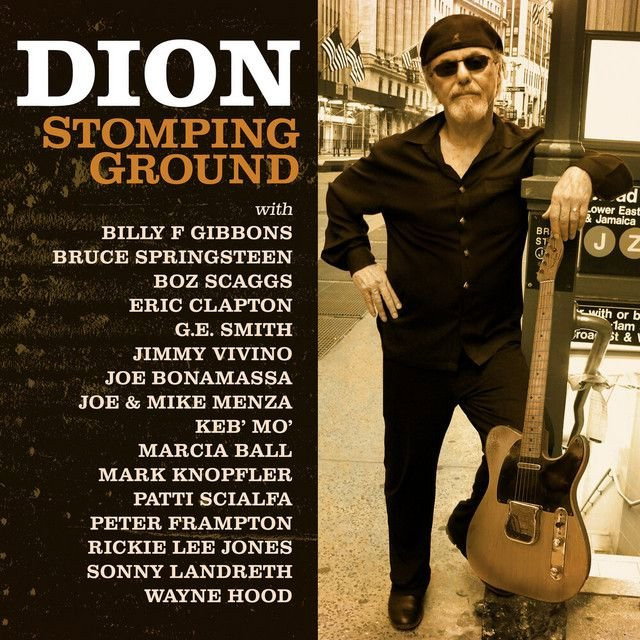
The track also carries special weight because of who is involved. Dion is one of rock and roll's original voices, while Patti Scialfa and Bruce Springsteen bring a lived-in New Jersey spirit that fits the song's street-level honesty. On Dion's official site, his later work often blends rock, blues, and faith. That mix is all over this song.
A Song About Help That Cannot Always Be Seen
At its heart, the song says that protection, wisdom, and mercy can move quietly through ordinary life. The repeated idea of angels all around
is not just religious decoration. It is the song's answer to fear.
The opening questions place the listener outside at night, trying to stay safe and alert. That setup matters. The alleyway is more than a physical place. Interpretation: it stands for any part of life where danger, shame, or confusion gathers.
When the chorus returns to an angel walks
and an angel prays
, the song shifts from worry to comfort. It imagines care as active, close, and constant. These angels do not hover far above; they move at street level.

Watch the official Angel In The Alleyways
music video
The Alleyway Is Both Literal and Symbolic
Dion and co-writer Mike Aquilina build the lyric around rough, urban images. A person walking at night, someone trapped by the bottle, a junkie crying with no audience: these scenes give the song its moral center. It is not interested in easy inspiration. It starts where people are hurting.
That is why the title image works so well. Alleyways are hidden, narrow, and easy to avoid. They are where a city puts what it does not want to display. Interpretation: by placing angels there, the song argues that divine care belongs especially to the forgotten.
By your side at night
unseen in the alleyways
Those lines capture the whole message in miniature. The help described here is not flashy. It is quiet presence.
Blues, Suffering, and Spiritual Survival
One of the song's smartest moves is linking music to redemption. It asks who guides musicians such as B.B. King and Stevie Ray, then suggests that pain can be transformed into art, even into Chicago Blues
. In plain terms, suffering does not disappear, but it can be reshaped into expression, endurance, and connection.
That idea fits Dion's long relationship with blues music. His catalog has often turned toward American roots forms and spiritual themes, as covered in a Rolling Stone feature. Here, blues is not just a style. It becomes proof that pain can speak in a human voice instead of staying locked inside.
The song's verse about addiction pushes this further. A crying addict, a man owned by the bottle, and then a possible rescue through a helping hand: this is one of the clearest emotional arcs in the lyric. It does not deny damage. It suggests that grace often arrives through action, compassion, and another person reaching in.
Biblical Echoes Without Preaching
The lyric names Peter, Paul, and Jacob, placing the song in a Biblical frame. But it does not sound like a sermon. It sounds like testimony mixed with street wisdom.
That distinction matters. The song never claims that faith erases struggle. Instead, it says struggle has company. When it speaks of forces that light and guard
and guide, it gives a traditional angel role a modern setting.
Interpretation: the song treats angels in two possible ways at once:
- as literal spiritual beings,
- and as signs of help working through memory, conscience, music, and human kindness.
That double meaning gives the lyric room to reach both religious and nonreligious listeners.
How the Performance Supports the Message
The production helps sell the song's meaning. Rather than sounding polished and distant, it leans warm and grounded, closer to roots rock and blues-gospel than pop. That matters because the lyric needs human texture.
Dion's voice carries age and conviction, which makes the message feel earned. Patti Scialfa adds warmth, while Springsteen's presence strengthens the song's working-class spiritual tone. Together, they sound less like stars making a statement and more like believers sharing a hard-won truth.
The repeating refrain works almost like a chant. Musically, that repetition mirrors the song's argument: reassurance has to be said again and again because fear also returns again and again.
Why the Song Lands Emotionally
What makes this song moving is its refusal to separate the sacred from the damaged. It finds holiness in alleys, not temples; in recovery, not perfection; in a whispered sense that someone or something still guides the lost.
That is the deepest answer to the meaning of Angel In The Alleyways Dion, Patti Scialfa, Bruce Springsteen. The song says grace is not reserved for the clean, the strong, or the certain. It walks where people hurt.
Final Take
Interpretation: "Angel In The Alleyways" is best heard as a song of protection, mercy, and survival. Its central claim is simple but powerful: when life feels abandoned, unseen help may still be near.
That reading can never be the only one, and listeners may hear the angels as faith, memory, conscience, or community. Still, the song clearly invites them to believe that no alleyway is empty forever.
Disclaimer: This interpretation is based on the song's lyrics, performance, and publicly available artist context. As with any song, meaning can vary from listener to listener.








