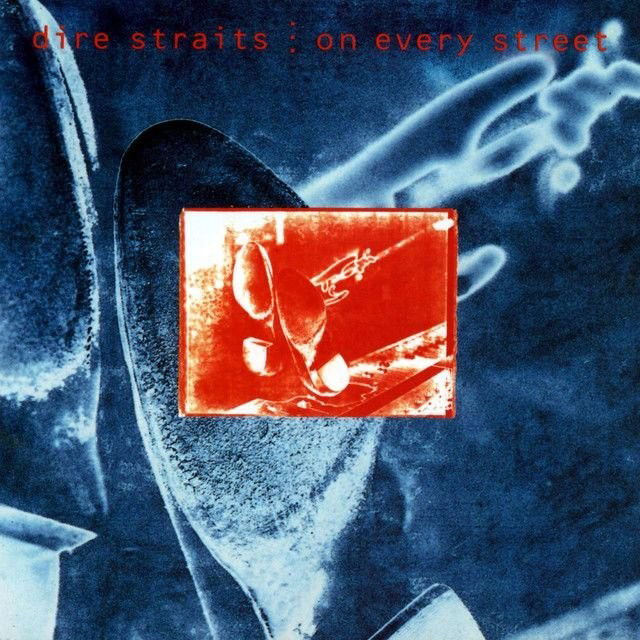
Fade to Black by Dire Straits
A breakup song with a sting
The meaning of Fade to Black Dire Straits starts with emotional whiplash. This is not a grand tragic ballad. It sounds more like a sharp, wounded look back at someone who was exciting, reckless, and hard to forget.
"Fade to Black" - Dire Straits
You're probably out on the rampage somewhere
You have been known to take delight
Loading lyrics...
Unable to load lyrics
We're unable to display the lyrics at this time. Please try again later.
The narrator seems to be speaking about a former lover who moves through the night causing chaos and attraction at the same time. Early on, they imagine that person out on the rampage
, which suggests wild behavior, restlessness, and maybe a pattern of hurting people. The song is full of jealousy, sarcasm, and regret, but it is also honest about desire. They know this person is trouble, yet they still cannot stop thinking about them.
Watch the official Fade to Black
music video
Who the song seems to be about
On the surface, this is a portrait of somebody magnetic and destructive. The narrator watches them in the mind's eye, picturing flirtation, seduction, and emotional damage. The details are small but vivid, making the scene feel personal.
One key phrase is getting in somebody's hair
. Paraphrased, the idea is that this person does not just enter a room; they disturb it. They provoke, tease, and take pleasure in upsetting other people. That gives the song its emotional engine: the narrator is not only heartbroken, they are also dealing with someone whose behavior keeps repeating.
Interpretation: The song may be less about one specific incident than about a cycle. The ex-partner seems to live for attention, while the narrator is left replaying the pattern and trying to understand why they got pulled in.
The story unfolds in quick scenes
Rather than telling a full linear plot, the lyric works in snapshots. Each one adds to the song's feeling of late-night obsession.
Scene one: imagining the ex in motion
The first verse opens with uncertainty and distance. The narrator does not know where the other person is, but they can guess. That guess matters because it shows familiarity: they have seen this behavior before.
Scene two: a new flirtation
The next image places the ex in a dim room with another man. The lyric about the rim of his glasses
is especially effective because it is so precise. It turns jealousy into a close-up shot. The narrator can picture exactly how the ex works their charm.
you run your fingers
through his hair
This brief moment suggests intimacy without saying much outright. It also deepens the pain, because the narrator imagines touch in detail.
Scene three: looking back in anger
By the final verse, the song shifts from describing the ex to judging the whole relationship. The narrator says they wish they had never been lassoed
or tattooed
. In plain terms, they feel caught, marked, and changed by the affair.
Why “fade to black” matters so much
The title phrase works like a curtain drop. In film, a fade to black ends a scene or signals emotional finality. Here it sounds like emotional shutdown. After all the vivid imagining, the narrator reaches a blank space.
Interpretation: Fade to black
can mean at least three things at once:
- the end of the relationship
- the narrator going numb after hurt
- the ex disappearing into nightlife and darkness
That layered meaning is why the chorus lands hard. It does not argue or explain. It just collapses into darkness.
The symbols of damage and desire
Several images carry the song's themes beyond a simple breakup.
The night setting suggests secrecy, fantasy, and loss of control. The darkened room makes the ex seem both glamorous and unreachable. The touch imagery turns memory into something physical, which fits a narrator who cannot let go.
Then there are the marks left behind. To be tattooed
is to be permanently altered. To be lassoed is to be captured. Combined with the line about going to hell and back, the song presents love as both thrilling and punishing.
That is a classic Mark Knopfler strength as a writer: he often uses everyday objects and concrete details instead of abstract statements. According to the Songwriters Hall of Fame, Knopfler is recognized for narrative songwriting, and this track fits that reputation. They sketch character through action more than explanation.
How the sound supports the meaning
Dire Straits built their reputation on clean, expressive musicianship, and Knopfler wrote the band's material on releases such as Brothers in Arms. Even without overproduced drama, their songs can feel cinematic.
For this song, the likely effect comes from restraint. A measured tempo, spare arrangement, and Knopfler's controlled vocal style would make the bitterness feel cooler and more believable. Instead of shouting, the song lets the images do the damage. That matters because the narrator sounds hurt but observant, not out of control.
Interpretation: If listeners hear a calm surface over turbulent feelings, that contrast is the point. The music keeps its composure while the lyric reveals obsession.
A few possible readings
There is a straightforward reading: this is a breakup song about a seductive ex who keeps moving from one target to the next.
There is also a slightly deeper one. The ex may represent not just a person but a whole kind of dangerous attraction. The narrator may be mourning their own weakness as much as the relationship itself. In that reading, the song is about the shame of knowing the warning signs and getting pulled in anyway.
Why the song lingers
The meaning of Fade to Black Dire Straits lasts because it captures a very specific emotional mix: resentment, fascination, and self-reproach. The narrator does not simply miss the other person. They resent the hold that person still has over their imagination.
That makes the song feel true to real heartbreak. People often do not move cleanly from love to closure. They replay scenes, exaggerate details, and argue with themselves. This song understands that mess.
Final takeaway
At its core, “Fade to Black” is about being marked by a relationship they know was damaging. The lyric paints the ex as exciting but destructive, while the title phrase turns that experience into an image of emotional blackout.
This article offers interpretation, not definitive intent. As with many Dire Straits songs, some of the power comes from what the lyric leaves open for listeners to fill in themselves.







