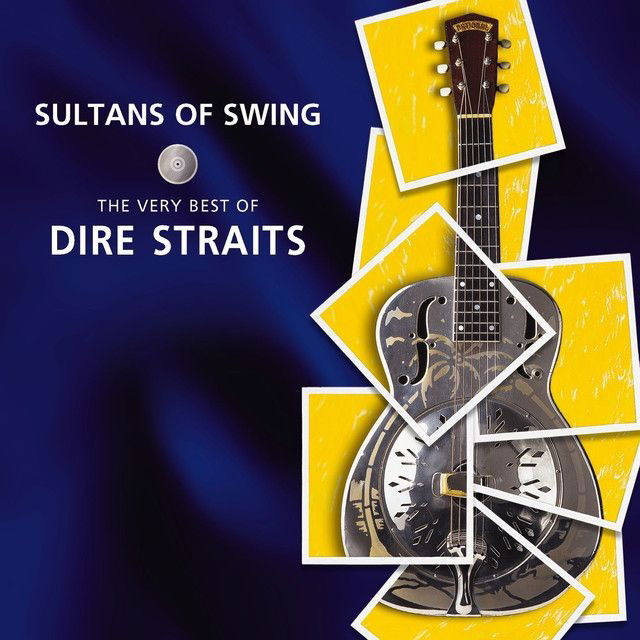
Lady Writer by Dire Straits
The meaning of Lady Writer Dire Straits often comes down to a quick spark of recognition that turns into a messy memory. In the song, a man sees a woman on television and is suddenly reminded of someone from his past. That simple setup opens into something more pointed: attraction, comparison, class tension, and regret all get folded into one fast-moving rock song.
"Lady Writer" - Dire Straits
Talk about the Virgin Mary
Reminded me of you
Loading lyrics...
Unable to load lyrics
We're unable to display the lyrics at this time. Please try again later.
Released on Dire Straits’ 1979 album Communiqué, “Lady Writer” was written by Mark Knopfler. Like many Knopfler songs, it sounds smooth and effortless, but the emotional picture is less settled than the groove suggests.
A TV Image That Triggers the Past
At the center of the song is a narrator watching a lady writer on the TV
. She is speaking with authority, even discussing the Virgin Mary
, and that public image reminds him of a woman he once knew.
This is the song’s key move. The woman on television is not the old lover, but she becomes a screen for memory. The narrator starts by noticing surface details, especially hair and presence, and then slips into a more personal recollection. The song shows how people often connect strangers to unfinished relationships.
Interpretation: the TV writer represents more than beauty. She embodies confidence, intelligence, and cultural status. That is why the comparison unsettles the narrator instead of simply flattering the woman he remembers.

Watch the official Lady Writer
music video
Attraction, Resentment, and Uneven Power
The remembered relationship does not sound warm or equal. When the narrator recalls that the woman only addressed him on her own terms, the mood shifts from admiration to frustration. He is still drawn to her, but he also seems wounded by how little control he had.
One of the sharpest details is the contrast between intellect and image. The TV figure has brains and the beauty
, while the woman from the past is described more critically, including the jab that she could barely write. That contrast gives the song some bite.
Still, the point is not just that one woman is “better” than the other. It is that the narrator cannot separate desire from judgment. He wants to measure the past, but he is also trapped inside it.
The Song’s Most Telling Memory
The repeated image of hair falling around the face is the song’s most vivid personal detail. It suggests that memory works through fragments, not balanced analysis. The narrator does not remember a full story first. He remembers a look, then a feeling, then what he calls a fall from grace
.
Another time, another place
Then I recall my fall from grace
This short refrain matters because it widens the song beyond a crush or complaint. It hints that the relationship belonged to a different social scene, emotional era, or version of the narrator himself. The phrase sounds almost casual, but it carries shame and distance.
Interpretation: “fall from grace” may suggest humiliation in love, loss of innocence, or simply the feeling of having been outmatched. The song does not fully explain it, which is part of its tension.
Class, Culture, and the Knopfler Edge
Another reason the meaning of Lady Writer Dire Straits keeps interesting listeners is the class detail. The lyric mentions a rich old man
and a mother who was a jazz singer. Those touches sketch a background of money, taste, and social confidence.
That matters because Dire Straits often wrote about how people perform identity. Here, the remembered woman seems connected to privilege and style, while the narrator sounds both impressed and alienated. He notices command, glamour, and family background almost like markers of rank.
This kind of observational writing fits Knopfler’s style. According to the band’s Rock & Roll Hall of Fame profile, Dire Straits became known for literate songwriting and lean musicianship. “Lady Writer” is a strong example: it never stops moving, but it packs in character clues with great economy.
How the Music Sharpens the Meaning
Musically, the song is bright, tight, and restless. Mark Knopfler’s guitar has that quick, clean attack that became one of the band’s signatures. The rhythm section keeps everything in motion, so the track feels energetic even while the narrator is stuck in recollection.
That contrast is important. The arrangement does not sound heartbroken in a heavy way. Instead, it sounds brisk and almost amused, which makes the lyric’s bitterness easier to miss at first.
The melody also helps. Knopfler sings with a conversational coolness, not dramatic agony. That delivery supports the song’s emotional ambiguity. The narrator may be confessing old desire, but he is also protecting himself with wit and observation.
One Song, Two Plausible Readings
There are at least two strong ways to hear “Lady Writer.”
- A memory song: a TV appearance triggers unresolved feelings about a former lover.
- A satire of male projection: the narrator turns a real woman on television into a fantasy mirror for his own past.
Both readings fit the evidence. The song clearly tells a personal story, but it also exposes how quickly the narrator judges, compares, and idealizes. That makes him compelling, though not fully reliable.
Why “Lady Writer” Still Connects
Part of the song’s lasting appeal is its speed and precision. In a few verses, it captures how attraction can mix with insecurity, and how memory can turn a passing image into a whole emotional replay. The woman on TV may be real, but the deeper drama is happening in the narrator’s mind.
For many listeners, that is the real meaning of “Lady Writer”: not just desire, but the uncomfortable gap between who someone was, who they seemed to be, and who the narrator needed them to mean.
Disclaimer: This interpretation is based on the released lyrics, performance, and known artist context. As with many Dire Straits songs, some meanings remain open to listener interpretation.







