Why “Walk of Life” Feels Bigger Than One Musician
The meaning of Walk Of Life Dire Straits starts with a simple image: a performer trying to earn a living. But the song does not stay small for long. What begins as a sketch of a street musician grows into a warm, catchy statement about work, talent, and how music helps people move through trouble.
"Walk Of Life" - Dire Straits
Here comes Johnny singing oldies, goldies
"Be-Bop-A-Lula", "Baby What I Say"
Loading lyrics...
Unable to load lyrics
We're unable to display the lyrics at this time. Please try again later.
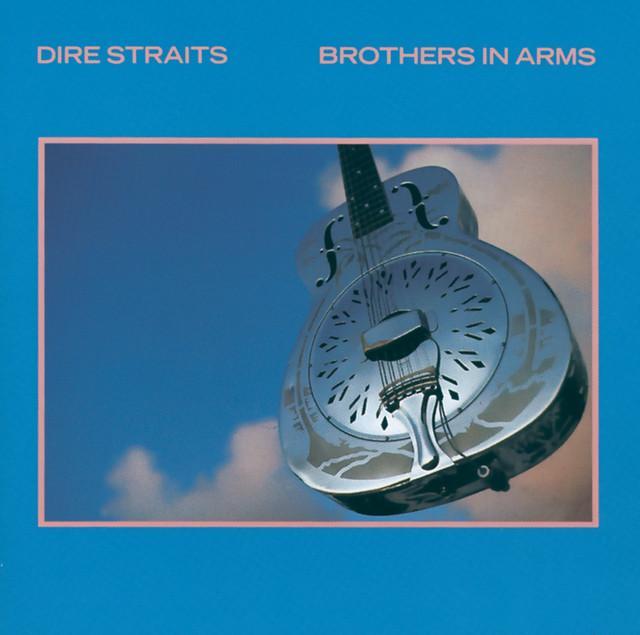
Released on Brothers in Arms in 1985, “Walk of Life” was written by Mark Knopfler and became one of Dire Straits’ most recognizable singles. Factually, it sits on the same album that produced major hits like “Money for Nothing” and “So Far Away.” In that context, its loose, cheerful feel stands out. It sounds less grand and more human, which is a big clue to its meaning.
The Song’s Real Center Is Daily Survival
At the heart of the song is Johnny, a performer introduced with the phrase Here comes Johnny
. The lyrics place him in a humble setting, down in the tunnels
, where he is trying to make money by playing familiar songs. That image matters because it frames music not as glamour, but as labor.
The song keeps praising his effort and skill. When it says the boy can play
, it is not just admiring talent. It is honoring commitment. A key line, Dedication, devotion
, turns Johnny into more than one person. He becomes a type: the worker-artist who keeps showing up.
Interpretation: This is why the song feels uplifting rather than sad. It sees ordinary hustle as something noble. Johnny is not described as famous. He is described as moving, working, and enduring.
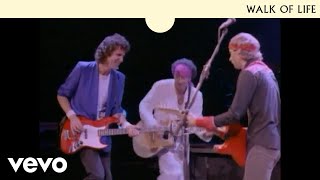
Watch the official Walk Of Life
music video
How Johnny Becomes Everybody
The verses focus on one musician, but the chorus opens the meaning up. The repeated phrase walk of life
is broad on purpose. In plain terms, it points to the path a person takes through the world: their routine, their class, their work, and their struggle.
That is why the title works so well. It can refer to Johnny’s literal movement as he performs, but it also suggests the larger human journey. By the end, the song is no longer only about one entertainer. It is about how people keep going.
A Quick Narrative Map
- Johnny appears as a working musician.
- He plays old rock-and-roll songs to make a living.
- His talent and effort are emphasized again and again.
- The chorus turns his routine into a symbol of everyday life.
- The ending widens the message from one person to everyone.
That shift is the emotional trick of the song. It starts concrete, then becomes universal.
The Final Verse Changes the Stakes
The most revealing moment comes late in the song, when it mentions violence and double talk
. Suddenly, the world outside Johnny’s performance feels harsher. There is conflict, dishonesty, and strain. Then the song answers that darkness by insisting there is still music inside the mess.
This is a major clue to the meaning of Walk Of Life Dire Straits. The song is not naïve. It knows life contains trouble. But it argues that songs can cut through that noise.
“And after all the violence and double talk
There’s just a song in all the trouble and the strife”
That brief passage gives the whole track extra depth. Music is not presented as an escape from reality. It is presented as something that survives reality.
Why the Sound Matters So Much
A song like this works because of how it sounds. The famous keyboard hook gives it instant bounce. The beat feels steady and forward-moving, almost like footsteps. That is perfect for a title built around walking.
Dire Straits were known for clean musicianship and Knopfler’s precise guitar style, but here the arrangement leans into accessibility. The bright organ, simple groove, and sing-along backing vocals make the song feel public, almost communal. It sounds like something meant for open space, where strangers might stop and listen.
Interpretation: The production reinforces the lyric idea that music belongs to everyday people. This is not a private confession. It is a street-level celebration.
Rock-and-Roll Roots in the Lyrics
The references to older songs are also important. By naming classic rock and rhythm-and-blues numbers, the lyric ties Johnny to a longer musical tradition. He is not inventing himself from scratch. He is carrying a shared culture forward.
That detail adds warmth. Johnny is part entertainer, part messenger. He keeps old sounds alive for new listeners, even in an unglamorous place. The song respects that chain between past and present.
Two Strong Ways to Read It
There are at least two solid readings of the song:
A salute to working musicians
This reading sees Johnny as a busker or club performer whose life is built on practice, resilience, and performance. The repeated praise of motion, action, and devotion strongly supports that idea.
A bigger anthem about ordinary people
This reading treats Johnny as a symbol. His “walk” stands for everyone’s path through labor, setbacks, and hope. The final verse, which expands into social conflict and human trouble, makes this interpretation convincing too.
Both readings can be true at once. That overlap is part of why the song has lasted.
Why It Still Connects
“Walk of Life” endures because it is catchy without being empty. It has enough story to feel grounded and enough openness to fit many lives. People hear a fun pop-rock track, but they also hear a belief that effort matters.
In the end, the meaning of Walk Of Life Dire Straits is about movement with purpose. Johnny plays, works, and keeps going. Then the song quietly suggests that they all do. That includes musicians, workers, and anyone trying to turn long nights into daylight.
Disclaimer: This article offers interpretation based on the lyrics, performance, and known context. Song meaning can remain open, and listeners may hear it differently.








