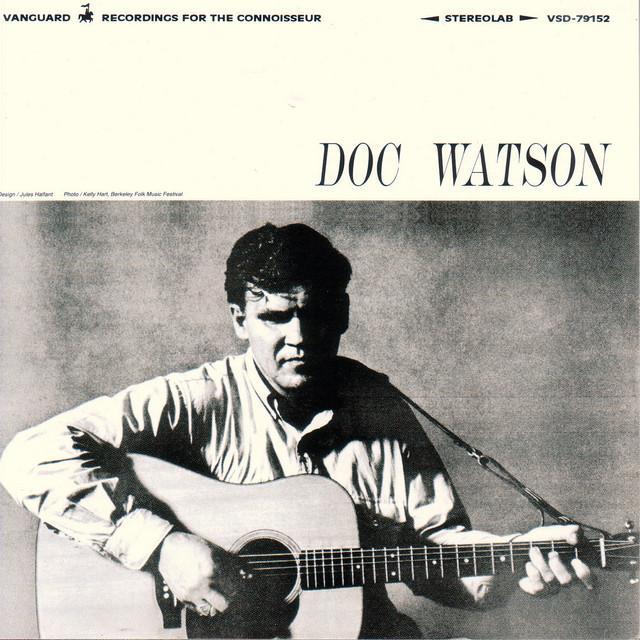
Why Doc Watson’s ‘Sittin On Top Of The World’ Still Smiles Through Heartbreak
The meaning of Sittin On Top Of The World Doc Watson comes down to a feeling that is bigger than the plot: loss does not get the last word. On paper, the song tells a simple story about a lover leaving, calling back, and finding a speaker who refuses to beg. But in performance, especially with Doc Watson, it becomes a statement of dignity.
"Sittin On Top Of The World" - Doc Watson
One sunny day
My sweetheart left me
Loading lyrics...
Unable to load lyrics
We're unable to display the lyrics at this time. Please try again later.
This is why the song has lasted so long. It mixes sadness, humor, and pride in a way that feels deeply American: the heart gets bruised, but the voice stays steady.
A Breakup Song That Refuses to Collapse
At the most basic level, the song begins with abandonment. The opening sets the scene in a bright season, then undercuts that warmth with the line about a sweetheart leaving. That contrast matters. Spring usually suggests renewal, but here it becomes the backdrop for disappointment.
Still, the singer does not stay in grief for long. The key emotional turn arrives in the refrain, where they insist they are sitting on top of the world
. Paraphrased, the idea is not that nothing hurts. It is that hurt will not define them.
That emotional split is the heart of the song. It is a breakup number, but it is also a self-respect anthem.

Watch the official Sittin On Top Of The World
music video
Where the Song Comes From
“Sittin’ On Top of the World” is widely credited to Walter Vinson and Lonnie Chatmon of the Mississippi Sheiks, who first recorded it in 1930, as noted by the UCSB Discography. Doc Watson later brought the song into his own acoustic world, where blues, folk, and old-time music naturally met.
That matters for interpretation. Watson was not simply covering an old standard. He was showing how flexible the song is. In their hands, it sounds less like a complaint and more like front-porch wisdom passed down through American roots music.
The Story Moves in Little Bursts
The verses work like snapshots rather than a full movie. A few key moments stand out:
- A lover leaves on a sunny day.
- She later calls from far away, from
down in El Paso
. - The speaker pushes back with witty warnings.
- By the end, they sound emotionally self-possessed.
That jumpy structure helps the song. Instead of overexplaining pain, it offers quick scenes and lets the refrain do the heavy lifting.
My sweetheart left me
Lord, she went away
Those lines are direct and plain, and that simplicity is part of their power. There is no dramatic speech, just a fact stated clearly. Then the chorus answers that fact with stubborn confidence.
The Chorus Turns Pain Into Defiance
The refrain is famous because it sounds almost too cheerful for the situation. That tension is the point. When the singer says they do not worry, the line can be heard in two ways.
Interpretation 1: they truly have moved on. In this reading, the song is about emotional survival and personal pride.
Interpretation 2: they are talking themselves into strength. In that reading, the bold refrain works like a shield against hurt.
Both readings fit, and that ambiguity gives the song depth. A person can be wounded and still speak with swagger. In fact, that mix is one of the oldest emotional tricks in blues.
Peaches, Orchards, and Boundaries
One of the song’s best-known images is the warning about my peaches
and the orchard. On the surface, it is playful country speech. Underneath, it is about boundaries, ownership, and self-worth.
The message is simple: if someone does not value what they have, they should leave it alone. That makes the metaphor sharper than it first appears. The singer is not only talking about fruit. They are talking about love, respect, and the right not to be used.
A later line about not coming back holding out your hand
pushes the same theme further. The speaker rejects emotional convenience. They do not want a lover who leaves and returns only when it suits them.
Why Doc Watson’s Version Hits So Hard
Doc Watson’s gift was clarity. Their flatpicking guitar style, praised by the Encyclopaedia Britannica, often made complex playing sound easy and natural. In a song like this, that matters because the performance never buries the lyric’s attitude.
The arrangement usually feels light on its feet. Acoustic guitar, a steady pulse, and Watson’s unforced vocal delivery help the song land with ease instead of bitterness. The result is powerful: the singer sounds in control.
That musical setting changes the emotional color. A heavier blues treatment might underline sorrow. Watson’s style lets the grin show through. The pain is still there, but it has been shaped into poise.
A Folk-Blues Lesson in Emotional Survival
Part of the meaning of Sittin On Top Of The World Doc Watson is cultural as well as personal. This is a song from the deep stream of American roots music where hard times are often answered with wit, rhythm, and understatement.
That is why the song does not need elaborate language. Even the boastful title phrase works because it sounds earned, not flashy. The speaker has been hurt, tested, and tempted to look back. Instead, they choose pride.
Final Take
Doc Watson’s version turns an old blues standard into a warm but firm statement of resilience. The song says that heartbreak can sting without destroying a person’s center.
Interpretation: its deepest meaning may be that confidence is sometimes a survival skill. They sing as if they are already above the pain, and by the end, listeners believe it too.
Disclaimer: Song meaning is interpretive. This reading is based on the lyrics, Doc Watson’s performance style, and the song’s historical context.








