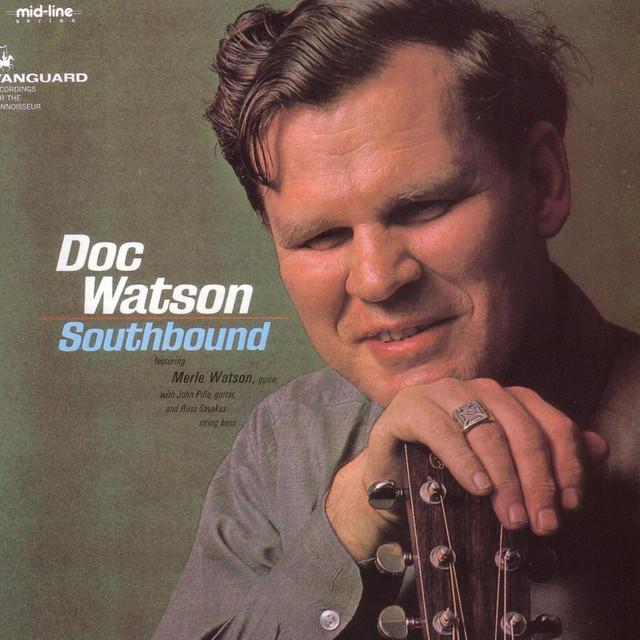
Walk On Boy by Doc Watson
The meaning of Walk On Boy Doc Watson centers on self-reliance, labor, and the hard lessons passed from one generation to the next. On the surface, the song tells a life story: a boy is born, leaves home young, works tough jobs, hears advice from his father, and grows into a figure linked to the John Henry legend. Underneath that story is a blunt message about survival in a hard world.
"Walk On Boy" - Doc Watson
The rain a-pourin' down
Heard my mammy say to my pappy
Loading lyrics...
Unable to load lyrics
We're unable to display the lyrics at this time. Please try again later.
Doc Watson was one of the most respected figures in American folk and bluegrass, known for his flatpicking guitar and plainspoken singing style. In a song like this, that directness matters. Rather than turn the story into drama, they let the words and steady rhythm carry the weight. The result is a song that feels old, wise, and unsentimental.
The Heart of the Message
At its core, the song says life will ask people to bear their own burdens. The repeated chorus drives that point home with walk on boy
and carry your load
. Before and after those phrases, the verses show why that advice matters: the narrator learns early that nobody is coming to rescue him.
This is not presented as bitterness alone. It also sounds like a survival code. The song accepts struggle as part of life and turns endurance into a kind of dignity. That is why the chorus feels both harsh and encouraging. It pushes the boy forward even as it admits the road will be lonely.

Watch the official Walk On Boy
music video
A Life Story Told in Quick Scenes
The verses move like snapshots from a folk ballad. First comes birth in rough conditions, with rain falling and parents naming the child. That opening gives the story a humble start, almost like a myth being born out of weather and work.
Then the boy leaves home at a very young age. He is already laboring on the levee, doing hard physical work around grown men. The phrase workin' on the levee
matters because it places the story in a world of manual labor, poverty, and constant strain. The song never overexplains that world; it trusts listeners to feel its weight.
Next comes the father's advice about finding a good woman and treating her well. This is important because it widens the song's meaning. It is not only about work. It is also about how to live decently inside a tough life. The father's words suggest that while the world may be harsh, mutual care is still possible.
The John Henry Shadow
The most striking turn comes at the end, when the narrator connects himself to John Henry, the American folk hero who raced a steam drill and died after proving human strength against the machine. The line about leaving his hammer smokin'
clearly points to that legend.
Interpretation: this does not have to mean the narrator literally is John Henry. It can also mean he sees himself in that tradition: a working man defined by endurance, pride, and struggle against overpowering forces. In that reading, the song becomes larger than one life story. It speaks for many laborers whose names are forgotten but whose work built the world.
That connection also deepens the chorus. If the boy is walking in John Henry's footsteps, then carrying his load is not just personal hardship. It is the burden of labor history, race, class, and the demand to prove worth through work.
How Doc Watson's Performance Shapes Meaning
Doc Watson's style is a big reason the song lands so strongly. Their recordings often favor clean acoustic playing, steady tempo, and a voice that sounds calm even when the subject is hard. That approach fits this song perfectly. A flashy arrangement would weaken it.
Instead, the guitar setting makes the story feel close and human. The rhythm suggests movement, like footsteps or ongoing labor, which matches the idea of walking on despite pain. Watson's traditional approach, heard across their Smithsonian Folkways profile, helps place the song inside the larger American folk tradition rather than as a modern rewrite.
The writers, Mel Tillis and Wayne P. Walker, gave the song a simple structure that sounds almost older than it is. That simplicity is a strength. It lets the refrain hit with force each time and makes the lesson feel like something passed down orally, from worker to worker, parent to child. Tillis's Songwriters Hall of Fame page also confirms his long record of writing story-driven country songs, which fits this piece well.
Themes That Hold the Song Together
Three themes connect every verse:
- Self-reliance: the world will not lighten the burden.
- Work: identity is shaped by labor and endurance.
- Inheritance: wisdom and struggle both pass down through family.
The rainy birth, the levee job, the father's advice, and the John Henry image all build one worldview. People start with very little, face hard conditions young, and survive by learning how to keep moving.
walk on boy
walk on down the road
ain't nobody
help you carry your load
Those lines are the song's thesis. They summarize its emotional world: lonely, stern, but still pushing forward.
One More Way to Read It
Interpretation: there is also a subtle pride in the song. Even though the chorus sounds severe, the final John Henry reference suggests honor, not defeat. The boy may be burdened, but he is not broken. They become someone worth naming, someone with a story tied to legend.
That balance is what gives the song staying power. It does not pretend life is fair, yet it still finds meaning in resilience.
Why the Song Still Connects
For many listeners in the United States, the meaning of Walk On Boy Doc Watson still feels current because the song understands economic pressure without turning sentimental. It speaks to people who know what it means to work hard, leave home early, or carry responsibility before they are ready.
Doc Watson's performance keeps that truth plain. They do not oversell the pain. They simply tell the story and let the lesson stand.
Disclaimer: This interpretation is based on the lyrics, performance, and available song context. As with many folk songs, listeners may hear different meanings in its images and storytelling.








