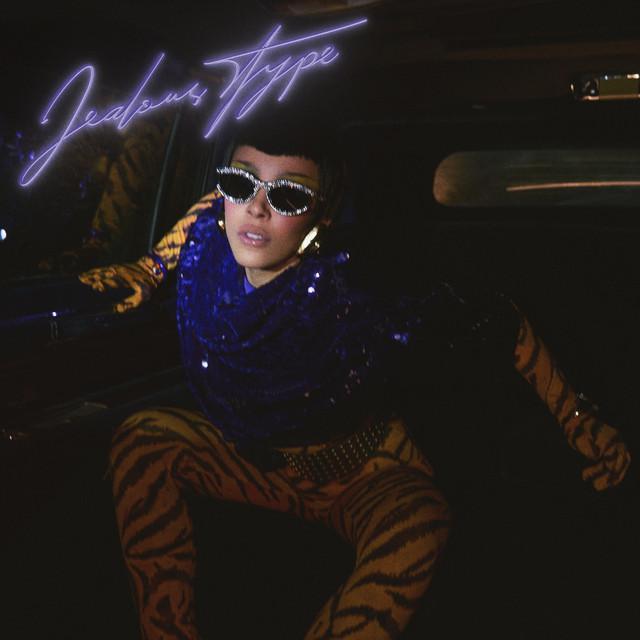
Jealous Type by Doja Cat
The meaning of Jealous Type Doja Cat comes down to a hard truth: attraction can make people ignore red flags, but jealousy eventually forces them to face what is missing. In this song, they present a narrator who knows they are possessive, yet also knows the other person is not exactly innocent.
"Jealous Type" - Doja Cat
Could be torn between two roads that I just can't decide
Which one is leading me to Hell or paradise?
Loading lyrics...
Unable to load lyrics
We're unable to display the lyrics at this time. Please try again later.
That balance is what makes the track interesting. It is not just a confession of insecurity. It is also a portrait of a relationship where attention feels uneven, public affection feels withheld, and the thrill of romance starts to look more like a trap.
The Core Conflict Hiding Inside the Hook
From the opening chorus, the narrator sounds split between desire and self-defense. They describe being stuck between two paths, one that could lead to bliss and one that could lead to damage. That is the song in a nutshell: love feels exciting, but trust feels shaky.
When they admit being the jealous type
, the line works as both warning and self-diagnosis. They are not pretending to be calm or above it all. Instead, they tell the truth early, which gives the song a direct, almost conversational honesty.
Interpretation: the chorus is less about ownership than fear. They worry that caring this much gives the other person power, and that fear keeps turning into suspicion.
A Narrator Who Knows Their Flaws
One of the strongest parts of the lyric is how plainly the narrator describes their emotional state. They say their eyes turn green
, using a familiar symbol for envy. But they do not romanticize that feeling. They connect jealousy with feeling unattractive, reactive, and tired of waiting.
That matters because the song never argues that jealousy is pretty. Instead, it shows how insecurity can distort self-image. In a few short lines, they move from wanting reassurance to sounding fed up, which suggests this relationship has worn them down over time.
Jealousy Is Personal, But Not Baseless
The second verse makes clear that the problem is not only inside the narrator's head. They question who their partner is seeing, why they are left out, and why they are not being openly claimed around friends or an ex. The complaint is not random paranoia; it is tied to behavior.
A key phrase is show me off
. Paraphrased, the narrator wants basic public acknowledgment. They are not asking for grand devotion. They want clarity. When they do not get it, jealousy grows.
Why the Partner Feels So Untrustworthy
The song paints the other person as charming, image-conscious, and hooked on attention. The narrator calls them vain and, later, describes them as a party boy
who enjoys the surrounding noise. In simple terms, this is someone who likes being wanted.
That detail sharpens the meaning of Jealous Type Doja Cat. The jealousy is not happening in a healthy, stable bond. It is happening in a relationship where one person seems energized by social attention while the other needs reassurance.
There is also a turning point in the verse. After questioning excuses and calling out a bluff, the narrator stops pleading and starts drawing a line. The emotional shift lands in the idea behind I'm not your toy
. They refuse to stay in a setup where they feel hidden, tested, or played with.
The Bright Sound Makes the Story Hit Harder
According to Songfacts, “Jealous Type” is a disco-tinged synth-pop track tied to Doja Cat’s 2025 album Vie. That glossy style is crucial to the song’s effect.
The production, associated in coverage with Ari Starace (Y2K) and Jack Antonoff, gives the track a sleek, bouncing energy rather than a heavy, gloomy one. That choice creates tension in the best way. The music feels flirtatious and replayable, while the lyrics describe insecurity, irritation, and emotional risk.
Interpretation: this contrast mirrors the relationship itself. On the outside, it looks fun and desirable. Underneath, it feels unstable.
Where the Song Fits in Doja Cat’s Bigger Picture
Coverage around the single connects it to a new creative phase. Songfacts reported that Vie was framed as more romantic and joy-focused than Scarlet, which Doja described as being about fear, pain, and anger. In that context, “Jealous Type” is revealing: even in a brighter era, romance is not simple.
Songfacts also reported that Doja told Apple Music the song grew from therapy and reflection on past relationships, framing the writing as self-exploration. That background helps explain why the lyrics feel accusatory and self-aware at once. They are not just attacking a partner; they are studying their own reactions too.
The rollout supports that pop-forward identity. The song appeared in a Marc Jacobs campaign and was later released on August 21, 2025, as the lead single from Vie, according to Doja Cat Wiki and Songfacts. The 1980s-coded video imagery described in both sources also matches the song’s retro-pop surface.
One Song, Two Honest Readings
There are at least two strong ways to hear this track:
- Self-portrait reading: the narrator is warning a lover that they struggle with jealousy and know it can poison intimacy.
- Boundary-setting reading: the narrator is realizing their jealousy has been triggered by someone unreliable, and they are finally choosing self-respect.
Both readings fit because the song keeps them in play at the same time. They own the feeling, but they also explain its cause.
Why “Jealous Type” Connects
What makes the song stick is its refusal to simplify messy emotions. It does not say the narrator is fully right, and it does not say they are fully irrational. Instead, it captures the blurry middle ground where insecurity and intuition start to sound alike.
That is the real meaning of Jealous Type Doja Cat: jealousy is not presented as a cute personality trait. It is a signal. Sometimes it reveals inner fear. Sometimes it reveals that a relationship is asking someone to ignore what they already know.
Disclaimer: This interpretation is based on the released lyrics, credited song information, and public commentary. As with any pop song, meaning can remain open to listener interpretation.







