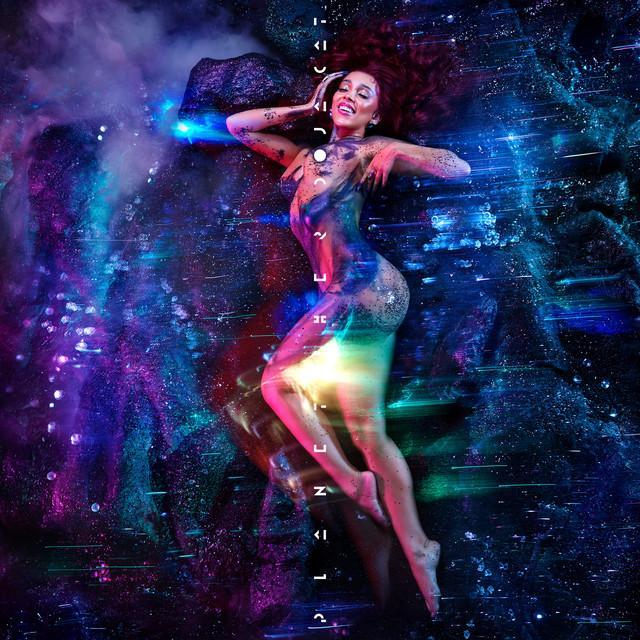
Need to Know by Doja Cat
They don’t whisper here—they ask, clearly and playfully. If you’re searching for the meaning of Need to Know Doja Cat, the track is a neon‑lit blueprint for curiosity, consent, and self‑possessed desire, delivered with a wink.
"Need to Know" - Doja Cat
Wanna know what it's like (like)
Baby, show me what it's like (like)
Loading lyrics...
Unable to load lyrics
We're unable to display the lyrics at this time. Please try again later.
Desire on Her Terms, Not His
At its core, the song is about a woman defining what she wants and asking for it with confidence. The recurring line Baby, I need to know
frames intimacy as a conversation. It isn’t shy; it’s specific. That clarity flips the old pop script where women react—here, she leads.
Interpretation: The chorus turns desire into a checklist of openness and boundaries. It says, “I’m honest about what I want, and I expect the same.” By doing so, the track makes direct talk sexy instead of awkward.
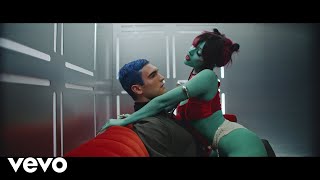
Watch the official Need to Know
music video
Who’s Speaking—and Who’s Listening?
The narrator is a first‑person voice addressing a potential partner. She’s half‑teasing, half‑testing. When she mentions a friend of a friend
, she toys with rumor as foreplay. She isn’t pleading; she’s vetting.
Interpretation: Their dynamic is audition‑like. Questions such as what’s your size?
and the rapid‑fire checklist later on signal a playful screening process. The tone stays light, but the power sits with her—she sets the terms, the timeline, and the vibe.
The Hook That Makes the Ask
The hook circles around fantasy and time: I just been fantasizin'
and “we got a lotta time.” The message is simple: curiosity thrives when people feel unhurried and safe. The repetition of “need to know” resets the scene each time, reminding listeners that consent and clarity are the real turn‑ons.
Interpretation: The hook is an invitation and a filter. If a partner can’t meet the moment with honesty, they won’t pass the vibe check.
Symbols, Jokes, and Pop‑Culture Winks
Doja Cat loads the verses with quick‑hit metaphors. Math jokes—“add, subtract, divide”—recast compatibility as problem‑solving. Gaming and magic nods—“Alakazam”—turn bragging into a cosplay‑style bit. Even the “danger zone” line frames risk as role‑play, not recklessness.
Interpretation: Humor is a pressure valve. By making outrageous bars sound breezy, she normalizes direct talk about kinks and preferences. A line like tell me what's your kink
stops being taboo and becomes an icebreaker.
How the Sound Sells the Fantasy
The production leans into trap and R&B with spacious synth pads, skittering hi‑hats, and gliding 808s. Dr. Luke’s beat leaves negative space around her voice, so every sly aside lands. Doja’s delivery—melodic flips, triplet pockets, and crisp cadences—mirrors the theme: fluid, flexible, and in control.
On Planet Her (2021), the album’s futuristic worldbuilding extends the song’s fantasy. The video places her in a clubby, off‑world nightlife, with cameos that match the pop‑sci‑fi tone. That setting lets the track feel larger than a bedroom confession; it’s a whole galaxy of playful lust.
Culture, Reception, and Boundaries
Despite its candor, the song moved globally, proving mainstream pop will make room for a woman steering the sexual script. It’s not just explicit; it’s intentional. The persona pushes lines that some listeners may question—another sign it’s a performance that toys with limits.
Interpretation: They can hear two levels at once. On one level, it’s a straight hookup anthem. On another, it’s commentary about who gets to ask the questions. By making the checklist hers, Doja Cat reframes agency as the centerpiece of attraction.
Alternate Readings That Still Fit
- Interpretation 1: A communication playbook. The specificity acts like a model for frank talk before intimacy—what do you like, what are your limits, what’s off the table?
- Interpretation 2: Persona theater. The sci‑fi setting and exaggerated bars suggest a character performing desire, blurring the line between real taste and pop spectacle.
Both readings enhance the meaning of Need to Know Doja Cat: directness can be both empowering and entertaining.
Why It Works—And Lasts
The song’s staying power comes from contrast: airy, futuristic sonics against grounded, practical questions. It sounds like nightlife but reads like a checklist. That tension makes it replayable—listeners come back for the jokes, the flow, and the way clarity feels cool, not clinical.
Final Takeaway
Need to Know shows that curiosity, clearly voiced, is attractive. The beat glows, the bars wink, and the narrator keeps the wheel—proof that in modern pop, pleasure and power can share the chorus.
Disclaimer: Meaning is subjective. This analysis reflects one informed interpretation based on lyrics, performance, and public context.









