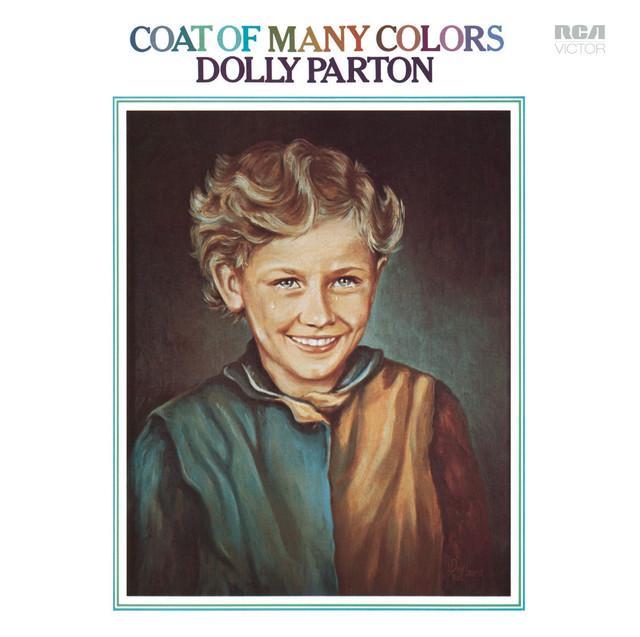
Why Dolly’s 'Coat of Many Colors' Still Hits
The meaning of Coat of Many Colors Dolly Parton starts with a simple memory, but it grows into something much bigger. The song tells a true childhood story: Dolly Parton’s mother made her a coat from rags, and young Dolly wore it proudly, only to be mocked at school. What makes the song last is not the sadness of that moment. It is the way Parton turns poverty into a lesson about love, dignity, and self-worth.
"Coat of Many Colors" - Dolly Parton
I go wonderin' once again
Back to the seasons of my youth
Loading lyrics...
Unable to load lyrics
We're unable to display the lyrics at this time. Please try again later.
Released in 1971 as the title track from her album Coat of Many Colors, the song became one of Parton’s signature works. It reached No. 4 on Billboard’s Hot Country Songs chart, and the Library of Congress later added it to the National Recording Registry. That honor fits a song that feels both personal and deeply American.
A Childhood Memory Becomes a Moral Story
On the surface, the plot is easy to follow. A poor family receives a box of fabric scraps. Parton’s mother sews them together into a coat, and while she works, she tells her daughter the Bible story of Joseph’s special garment. The child hears that story and feels chosen, blessed, and loved.
That is why the coat matters before anyone at school reacts to it. It is not just clothing. It is a gift shaped by care. When the song says the coat was made with every piece with love
, it frames the whole memory through the mother’s devotion, not through lack.
Watch the official Coat of Many Colors
music video
The Real Conflict Is Shame Versus Value
The emotional turn comes at school. Other children laugh at the homemade coat, seeing only poverty and difference. The young narrator is stunned because she does not yet read the coat as a symbol of embarrassment. She sees it as treasure.
That gap is the song’s central conflict. The child has one system of value, built on family love and imagination. The other children have another, built on money and appearances. When Parton recalls feeling rich as I could be
, she is not denying her family’s hardship. She is redefining what richness means.
Interpretation: This is why the song is so moving. It is not a fantasy that poverty is easy. It is a memory of a child resisting the idea that worth comes from what can be bought.
Why the Biblical Image Matters
The Joseph reference gives the song extra depth. In Genesis, Joseph’s coat marks him as beloved and set apart. Parton’s mother uses that story to transform scraps into meaning. The coat becomes a sign of hope, almost like a blessing passed from parent to child.
One is only poor
if they choose to be
Those lines are the song’s boldest statement, though they work best when heard with care. Parton is not making a policy argument about poverty. She is describing an inner belief taught by her mother: that material lack does not have to destroy pride.
How the Chorus Reframes the Whole Song
The chorus keeps returning to the same image: my momma made for me
. That phrase matters because it shifts focus away from the object itself. The coat is precious because of who made it and what was stitched into it.
This repetition also changes the schoolyard scene. The children laugh at the outside of the coat. The singer hears the story behind it. So every time the chorus comes back, it restores the coat’s true meaning.
For listeners, that makes the song feel healing. The chorus does not erase the hurt. It answers it.
Sound and Performance: Why It Feels So Intimate
Parton recorded the song at RCA Studio B in Nashville in April 1971, with Bob Ferguson and Parton producing, according to Wikipedia’s song entry. The production is gentle and uncluttered, which helps the storytelling lead.
The arrangement sits in classic country-folk territory: soft acoustic textures, steady rhythm, and a warm vocal placed front and center. Nothing distracts from the narrative. That restraint is part of the song’s power.
Parton’s vocal also carries two feelings at once. They sound bright and conversational when recalling childhood pride, but more tender when the memory turns painful. They never oversell the scene. Instead, they let the listener hear how a grown adult still protects the child in the story.
Artist Context and Lasting Legacy
Parton has said the song teaches lessons about bullying, love, acceptance, and good parents. That summary fits the track well because it is both autobiographical and universal. It came from a real memory, and even the writing story has become part of its legend: she wrote it in 1969 on the back of a dry-cleaning receipt while on tour with Porter Wagoner.
Its long life proves how clearly it connects. The song has inspired a children’s book, a 2015 NBC film, and many cover versions. Rolling Stone also ranked it among the greatest songs ever recorded and one of Parton’s very best. That reception reflects how listeners hear more than nostalgia in it. They hear a moral vision.
More Than a Coat, More Than a Tearjerker
The meaning of Coat of Many Colors Dolly Parton is not just that a mother loved her child. It is that love gave the child a way to face public shame without surrendering their sense of worth. The coat stands for care, imagination, faith, and identity all at once.
Interpretation: Another way to read the song is as Parton’s artistic mission in miniature. Like the coat itself, her music often takes humble materials—family stories, faith, rural hardship—and turns them into something radiant.
That is why the song still lands. It speaks to anyone who has been judged by appearances and to anyone who learned that the most valuable gifts are the ones no price tag can measure.
Disclaimer: This interpretation blends documented background with critical reading of the lyrics and performance. Some meanings may vary from listener to listener.








