Why 'Tulsa Time' Still Feels Like Coming Home
In Don Williams' hit, the road west promises success, but the song's real wisdom arrives when that promise falls apart.
"Tulsa Time" - Don Williams
Provided by LyricFindI left Oklahoma drivin' in a Pontiac
Just about to lose my mind
I was goin' on to Arizona, maybe on to CaliforniaLoading...Loading lyrics...
Unable to load lyrics
We're unable to display the lyrics at this time. Please try again later.
The Heart of the Song's Message
The meaning of Tulsa Time Don Williams is simple on the surface and deeper the longer they sit with it. The song follows a narrator who leaves Oklahoma hoping to prove doubters wrong, build a better life, and maybe find fame out west. Instead, the trip brings disappointment, self-awareness, and a strong pull back home.
At its core, the song is about learning that ambition alone does not guarantee belonging. The narrator thinks movement equals progress. By the end, they see that leaving may have been a mistake.
Interpretation: Tulsa is not only a city here. It also becomes a symbol for a pace of life that feels honest, grounded, and emotionally survivable.
Watch the official Tulsa Time
music video
A Story About Leaving, Failing, and Reconsidering
The first verse sets up a classic American escape story. The narrator heads west in a Pontiac, emotionally frayed and eager to prove something. Short phrases like lose my mind
and show 'em all
reveal both pressure and pride.
They are not just traveling for fun. They are reacting to judgment from people close to them. The criticism from a partner and mother gives the trip its emotional charge: this is a mission to prove worth.
Then the song moves to Hollywood, and the fantasy starts to collapse. The narrator admits that no one needs them in the movies and no one wants their songs. The line of thought around wastin' time
is crucial, because it flips the dream. What once felt bold now feels naive.
By the final turn, the narrator understands that going back is not defeat. It is clarity.
Why the Chorus Hits So Hard
The chorus is catchy, but it is also where the song's meaning sharpens. When the narrator repeats Livin' on Tulsa time
, they are describing more than geography.
The idea of wanting to set my watch back
suggests a reset of values. They want to rewind from stress, ego, and unrealistic ambition. Time itself becomes emotional. Tulsa time means living in sync with a life that fits.
Interpretation: The chorus works because it turns a personal failure into a bigger truth. Sometimes success is not found by pushing farther away. Sometimes it is found by returning to what already made sense.
Tulsa as Place, Pace, and Identity
One reason the song lasts is that Tulsa works on three levels:
- Literal place: It is the home base the narrator left.
- Lifestyle: It suggests a slower, less flashy rhythm.
- Identity: It represents the version of the self that existed before chasing outside approval.
That is why the song feels relatable well beyond Oklahoma. Many listeners hear their own story in it: leaving home, chasing a dream, and learning that status is not the same as happiness.
American Songwriter summarized the track as a tough-love lesson about discovering that the grass is not always greener elsewhere, a reading that fits the lyric arc well. Research on the song's background also supports that homecoming idea.
How Don Williams' Sound Sells the Meaning
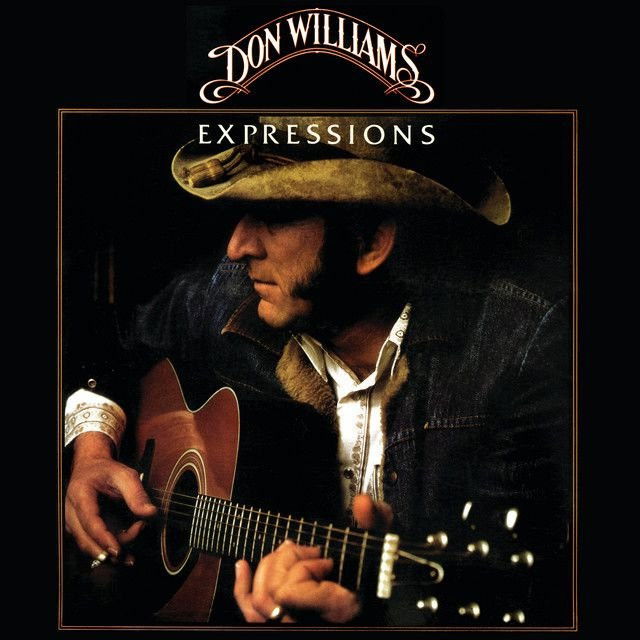
The production matters a lot. According to widely cited release details, Don Williams released the song in 1978 on Expressions, with production credited to Don Williams and Garth Fundis. The arrangement is lean, groove-based, and relaxed rather than dramatic.
That choice is perfect for the song's message. A more theatrical version might have pushed the story toward tragedy or satire. Williams does the opposite. They sing with calm authority, which makes the narrator's mistake feel human instead of humiliating.
There is also a subtle mix of country and rock in the track, often described as having a groove-heavy feel. That blend mirrors the song's conflict between wandering and settling. The beat rolls forward, but the vocal tone feels rooted.
Interpretation: The music itself sounds like Tulsa time. It is unhurried, sturdy, and comfortable in its own skin.
The Backstory Adds Even More Meaning
The song was written by Danny Flowers, Don Williams' guitarist. Reporting from sources like American Songwriter and reference summaries on the song's history say Flowers wrote it quickly while snowed in at a Tulsa hotel, finishing it in about half an hour.
That origin story matters because the song itself feels immediate. It has the plainspoken shape of something discovered rather than overworked.
Its success was huge. Don Williams' recording hit No. 1 on the Billboard country chart and became Billboard's top country song of 1979. It also won major industry recognition, which helps explain why it remains one of his defining recordings.
The Eric Clapton connection adds another layer. Clapton also recorded the song, and his version highlighted the Tulsa-linked musicians in his orbit. But Williams' take became the definitive country statement because its easygoing groove matched the lyric's homeward pull.
A Small Song With a Big American Theme
What makes the meaning of Tulsa Time Don Williams endure is how much it says with very little. This is a road song, a failure song, and a homecoming song all at once.
It speaks to a deeply American tension: the pressure to leave, achieve, and reinvent. Yet it gently argues that self-knowledge may matter more than reinvention. The narrator does not find glory. They find perspective.
Final Thought
In the end, Tulsa time
is less about a clock than a correction. The song suggests that going home can be an act of wisdom, not surrender.
Disclaimer: This interpretation is based on the released recording, documented background, and lyric analysis. As with any song, listeners may hear meanings that differ from this reading.








