Why “The Best Is Yet to Come” Still Lifts People
For many listeners, the meaning of The Best Is Yet To Come Donald Lawrence, The Tri-City Singers starts with one simple idea: pain is real, but it is not final. The song is built as encouragement for people who feel tired, scared, or stuck. Instead of denying trouble, it looks straight at it and then answers with faith.
"The Best Is Yet To Come" - Donald Lawrence, The Tri-City Singers
Hold on, my sister, just look up
There is a master plan in store for you
Loading lyrics...
Unable to load lyrics
We're unable to display the lyrics at this time. Please try again later.
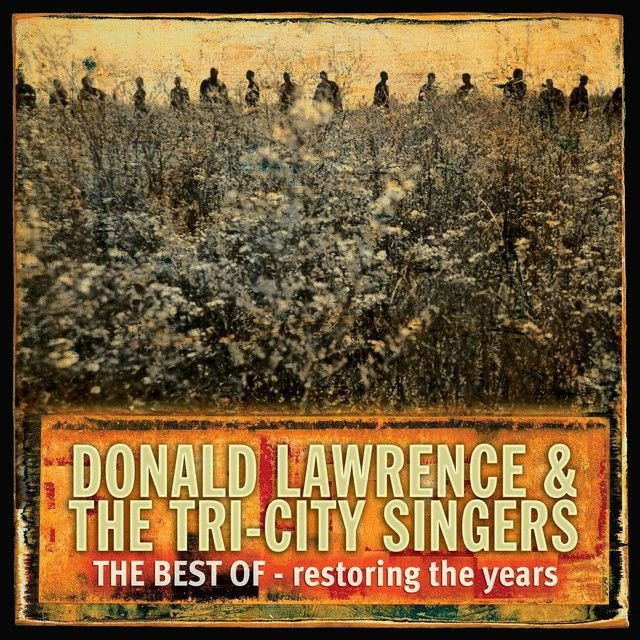
Released in 2002 as the lead single from Go Get Your Life Back, the song became one of Donald Lawrence’s best-known gospel recordings, later appearing on Restoring the Years: The Best of Donald Lawrence & the Tri-City Singers in 2003, according to Wikipedia. That context matters because Lawrence’s work often mixes church testimony with polished urban gospel production. Here, they turn a sermon-like message into a song people can sing together.
A Promise Spoken Into Hard Times
At its core, the song is about perseverance through faith. The opening lines do not speak in abstract language. They address hurting people directly: Hold on, my brother
and my sister
. Before those phrases ever become catchy, they do emotional work. They make the listener feel seen.
The next move is just as important. The song says there is a master plan
, which shifts the message from general optimism to Christian trust. This is not merely “things might improve.” It is the belief that suffering fits inside a larger divine purpose.
Interpretation: That is why the song feels stronger than a motivational anthem. It says endurance has meaning. The struggle is not wasted, even when the listener cannot yet understand it.
Watch the official The Best Is Yet To Come
music video
How the Verses Build the Theme
The verses move in a clear sequence:
- They recognize pain and exhaustion.
- They urge the listener not to give up.
- They point toward God’s purpose.
- They promise reward after endurance.
That structure makes the song easy to carry into real life. A person can enter it at the point of weakness and leave with hope. Even the line about blessings being doubled suggests restoration, not just survival. The song imagines a future that is fuller than the past.
Today is the first day
Of the best days of your life
You ain't seen nothing yet
This brief section captures the emotional turning point. The song stops talking only about someday and brings hope into the present moment. Today becomes the start of change.
Why the Chorus Hits So Hard
The repeated phrase The best is yet to come
works as both chorus and testimony. In gospel music, repetition often functions like reinforcement. The singer says the truth until the congregation can believe it too.
That is exactly what happens here. The hook is simple, but its simplicity is the point. During grief or stress, people often do not need a complicated explanation. They need one strong sentence they can hold onto.
Interpretation: The chorus is powerful because it refuses to let the current moment define the whole story. It re-frames suffering as a chapter, not the ending.
The Sound of Collective Encouragement
Production is a major part of the meaning. The track runs nearly nine minutes, giving it the feel of a live church moment rather than a tight radio single. Its gospel and urban contemporary gospel blend lets Lawrence move between polished arrangement and open emotional release.
The choir is crucial. Instead of one isolated voice, listeners hear a community. That group sound makes the message feel shared and trustworthy, as if an entire church is standing behind the promise. Guest appearances by Ann Nesby and Bishop Walter Hawkins, noted in the song’s release history, deepen that sense of authority and fellowship.
The call-and-response style also matters. Lawrence sings or leads a thought, and the choir answers, building emotional momentum. By the time the hook returns, it no longer sounds like advice. It sounds like collective conviction.
Artist Context Helps Explain the Message
Donald Lawrence has long been known for choir-centered gospel that is musically sharp but spiritually direct. In his broader catalog, they often pair hard truths with uplift, and this song is a strong example of that method. The parent album title, Go Get Your Life Back, also supports the song’s focus on restoration and renewed strength.
Some sources have conflicting songwriting credits online, but the song is widely recognized as part of Lawrence’s early-2000s gospel peak and one of the signature performances by Donald Lawrence & the Tri-City Singers. Its continued use in sermons, church programs, and inspirational settings shows how listeners have received it: not just as performance, but as ministry.
A Faith Reading and a Human Reading
There are two main ways people hear this song.
A spiritual interpretation
In a Christian reading, the song is plainly about trusting God through trials. Phrases like look up
and the promise that God will make suffering worthwhile tie the song to belief in providence, blessing, and divine timing.
A broader emotional interpretation
Even outside church, people can hear it as a song about resilience. Anyone facing illness, loss, burnout, or disappointment can connect to the central idea that tomorrow does not have to look like today.
Both readings can exist at once. The first gives the song its foundation. The second helps explain its wide appeal.
Why It Still Endures
The lasting power of the meaning of The Best Is Yet To Come Donald Lawrence, The Tri-City Singers comes from its balance. The song is honest about suffering but refuses despair. It is deeply religious but emotionally accessible. And it turns private pain into a communal act of hope.
That is why people return to it. They are not only hearing a song about better days. They are hearing a choir insist that better days are already on the way.
Disclaimer: This interpretation is based on the song’s lyrics, performance, and documented release context. As with any song, listeners may connect with it in different personal or spiritual ways.







