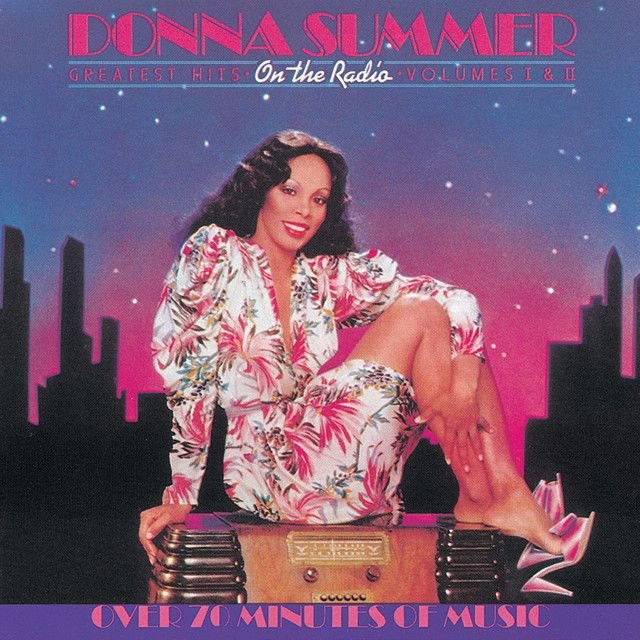
On The Radio by Donna Summer
A love letter turned into a hit
The meaning of On The Radio Donna Summer starts with a simple but clever idea: a private message becomes public, and that public moment gives two former lovers a second chance. The song tells a story about heartbreak, memory, and reunion, but it does so with the bright lift of pop-disco rather than deep gloom.
"On The Radio" - Donna Summer
And they told the world just how you felt
It must have fallen out of a hole in your old brown overcoat
Loading lyrics...
Unable to load lyrics
We're unable to display the lyrics at this time. Please try again later.
Released as a single in 1979, the song was written by Donna Summer and Giorgio Moroder, and produced by Moroder for the film Foxes before also appearing on On the Radio: Greatest Hits Volumes I & II (Wikipedia). It became one of Summer's biggest crossover hits, reaching No. 5 on the Billboard Hot 100 and helping prove she was more than a club artist.
That chart success matters to the song's meaning. It is about radio, and it also became a radio staple. In other words, the song lived out its own premise.

Watch the official On The Radio
music video
The core story: private feelings go public
At the center is a narrator who hears that an old letter from a former lover has somehow been read aloud on the radio
. The setup is a little dreamy, even unlikely, but that is part of its charm. It feels like fate stepping in where direct communication failed.
The key emotion is surprise mixed with longing. When the singer hears the message, they realize the other person still cared, or at least once cared deeply. That changes everything. The breakup is no longer the final word.
How the plot unfolds
The song moves in a clean arc:
- A lost letter is discovered and broadcast.
- The narrator instantly knows who it is about.
- Old pain returns when they think about the breakup.
- The public message gives them courage and hope.
- By the end, love seems restored.
That final turn is important. The song is not only about remembering love; it is about recovering it.
Why the breakup still hurts
One of the song's strongest lines points to time and regret with broke up last June
. That short detail makes the story feel real. There is a season, a date, and a sense that the speaker has been carrying this sadness quietly for months.
The song also suggests that both people struggled to say what they felt. The letter says what one person could not say directly. The narrator, in turn, admits they had kept their own feelings hidden. This creates one of the song's main themes: love often survives silence, but silence also keeps people apart.
Interpretation: The radio acts like a bridge between pride and vulnerability. Neither person could begin the conversation face to face, so the song imagines media doing it for them.
The chorus turns pain into public hope
The repeated hook on the radio
does more than name the setting. It turns radio into a symbol. It represents chance, connection, and the strange way a mass medium can make listeners feel personally seen.
In many pop songs, radio is background noise. Here, it becomes the messenger. The chorus keeps returning to that idea until the airwaves feel almost magical.
If you think that love
isn't found on the radio
tune right in
Those lines sum up the song's emotional bet: love can come back in unexpected ways. The message is a little fairy-tale-like, but Summer sells it with warmth instead of irony.
Donna Summer's writing makes the fantasy feel human
A big reason the song works is the detail. The image of an old coat and a misplaced letter gives the story texture. Donna Summer later explained that Giorgio Moroder gave her the track with the idea of something involving radio, and she wrestled with it until one vivid image unlocked the character and story (Songfacts).
That origin matters. The song does not sound like a vague disco slogan. It sounds like a scene from a life. The tiny details make the broad emotion believable.
Interpretation: Even if the plot is unrealistic, it captures a very real wish: that the person they lost might somehow hear the truth and come back.
How the music carries the meaning
Moroder's production is crucial. The track has a glossy disco-pop pulse, but it is softer and more romantic than some of Summer's harder club records. The beat keeps things moving, while the melody lets the story breathe.
A few musical choices stand out:
- The steady rhythm gives the song forward motion, like destiny pushing the plot ahead.
- The bright chorus feels communal, which fits the idea of private feelings becoming public.
- Summer's vocal balances ache and uplift, never sinking into self-pity.
That mix is why the song lands so well. A sad lyric over a hopeful groove creates emotional tension. The listener can dance to it, but they can also hear the loneliness inside it.
Artist context changes the reading
By 1979, Donna Summer was already a major star, known as the "Queen of Disco," but On the Radio showed how easily she could move between disco, pop, and adult contemporary. It was her tenth U.S. Top 10 hit, and its wide appeal helped frame her as a storyteller as much as a dance icon.
That matters for interpretation. Some listeners hear the song as pure romance, while others hear a sly comment on pop culture itself. Radio can expose people, comfort them, and even rewrite their lives. For a singer whose career was deeply tied to radio play, that idea carries extra weight.
Final meaning: hope through connection
So, what is the meaning of On The Radio Donna Summer? At heart, it is a song about lost love finding a path back through unexpected communication. It says that feelings do not disappear just because a relationship ends, and that hearing the truth at the right moment can heal what silence damaged.
Its lasting appeal comes from that blend of fantasy and honesty. The plot may be unlikely, but the emotions are not. Many listeners know what it is like to hope for one message, one song, or one sign that changes everything.
Disclaimer: This interpretation is based on the lyrics, recorded performance, and available artist commentary. Like any song, it can support more than one reasonable reading.









